

AI for Designers
How designers ship with AI. Tools, workflows, prompts, and the practical craft of building AI-powered products.
All AI for Designers articles
Your Design Site Has Zero AI Search Visibility
We fetched 25 design studio and portfolio pages the way an AI crawler does. Median readable text: 397 words. One shipped 147KB to say seven.
AI Agent Token Costs: What You Actually Pay For
Measured across 157,670 real Claude Code turns, visible output is 12% of the bill, cache reads are 48%, and most of the tokens you pay for are never shown to you.
My Company Put Me on an Extreme AI Token Diet. The Result Was Design Rot.
Enterprises now meter AI per designer with hard token rationing that quietly rots design quality. Here is how to cap spend without shipping worse work.
Brand Rules Engines Are Now Running Inside AI Agents
AI agents now generate faster than humans can police, so a brand rules engine checks every output in real time. Here is how the propose-reject-approve loop works and what it can and cannot enforce.
Figma Make Just Became a Real Design-to-Code Tool
Figma Make now exports React wired to your real design tokens and Code Connect mappings instead of throwaway markup. Here is what changed on June 18, where it still needs a human, and a workflow you can run this week.
Claude Fable 5 Just Collapsed the Design-to-Code Gap
Fable 5 turns a screenshot into production-ready UI in one pass. Here is what actually changed, where it breaks, and what "finished" means for designers now.
Claude Code Context Management: /clear vs /compact and the Rest
How to manage Claude Code's context window. The real difference between /clear and /compact, plus /context, /rewind, auto-compaction, and the memory files that outlive every reset.
I Built an Interactive Website Hero in Figma That Reacts to Your Cursor. Here Is the Process.
A step-by-step build: generate a cinematic scene with the Higgsfield Figma plugin, turn it into a cursor-reactive parallax hero, and ship it. Copy-paste prompts inside.
Claude Fable 5: Launch Data, Benchmarks, and Real Reactions
Claude Fable 5 launched June 9 as Anthropic's first Mythos-class model. The verified benchmarks, the real pricing, and what builders hit in week one.
Claude Effort Levels: From Low to Ultracode
A plain-English guide to Claude's /effort levels for designers and creators, from low and medium to xhigh, max, ultracode, and auto, with a simple rule for which to use when.
What Claude Opus 4.8 Means for Designers
A designer's teardown of Claude Opus 4.8. The 1M context window, fast mode in Claude Code, the long-horizon reliability gains, and the four design workflows it actually changes. Plus an honest list of what Opus 4.8 still cannot do for you.
Google Stitch for Designers: How Prompt-to-UI Actually Works in 2026
What Google Stitch does for designers in 2026, the workflows that pay off, and where it loses to v0, Lovable, and Figma Make. Real outputs, honest verdict.
Cursor for Designers: The 2026 Guide to Actually Useful AI in Your Design Workflow
What Cursor actually does for designers in 2026, the real workflows that pay off (design system maintenance, prototype rewrites, MCP-driven Figma to code), and where it still falls short.
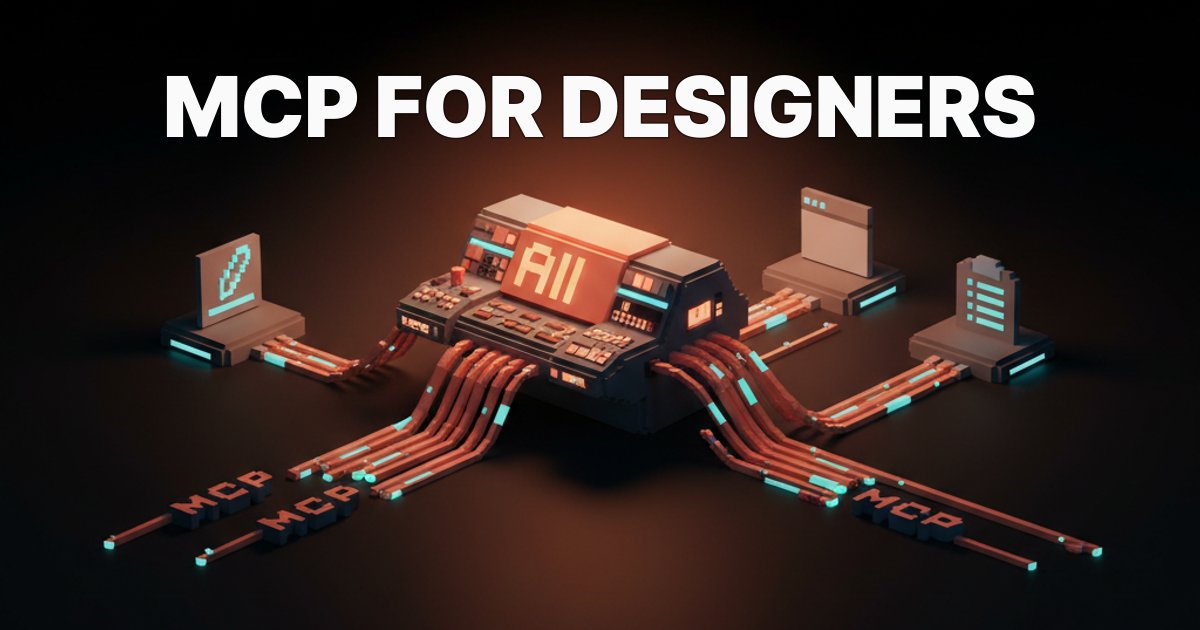
MCP Servers for Designers Worth Installing in 2026
The MCP servers worth installing if you work in Figma, Cursor, or Claude. What MCP is, which five servers ship real daily value, and how to wire them up.
Designing Agent Memory: The 2026 Designer's Handbook
Agent memory is the new AI design surface no one teaches. Build memory features users actually trust with 4 types, 5 trust principles, plus a workshop.
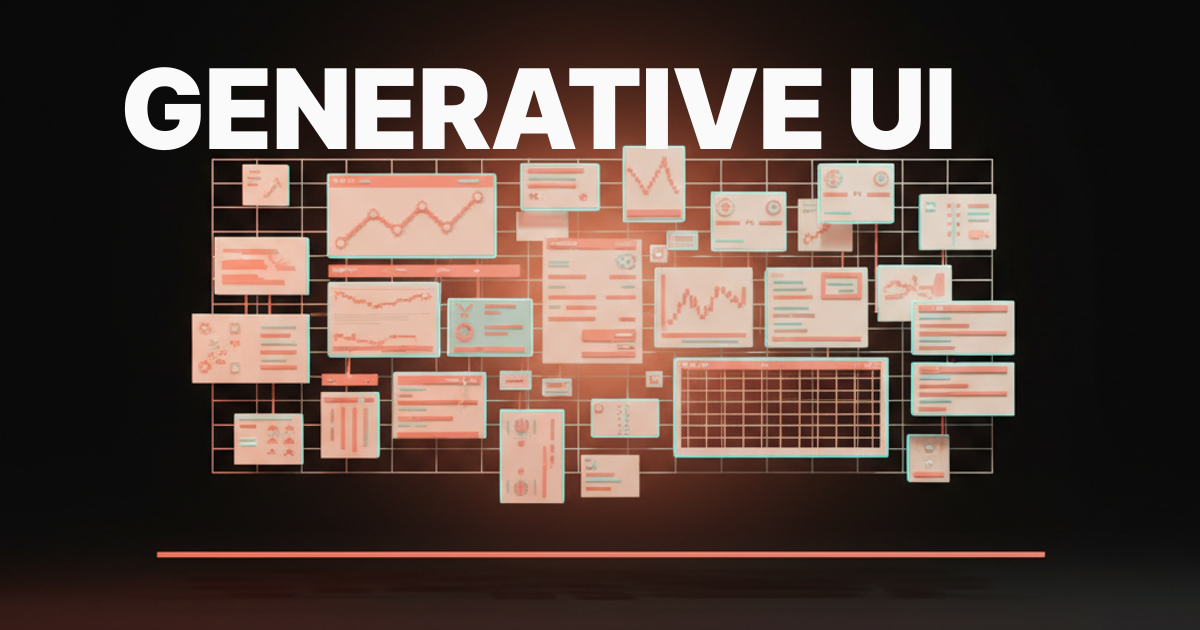
Generative UI Design: The Practical Handbook for 2026
Generative UI design explained: the four architectures, the pattern language, the failure modes, and the practical handbook for designers shipping in 2026.
Designing Streaming UIs
The streaming output region is the new canvas. A working playbook for designing AI streaming UIs as a real interaction model, with five layers, real product teardowns, anti-patterns, and a pre-ship audit.
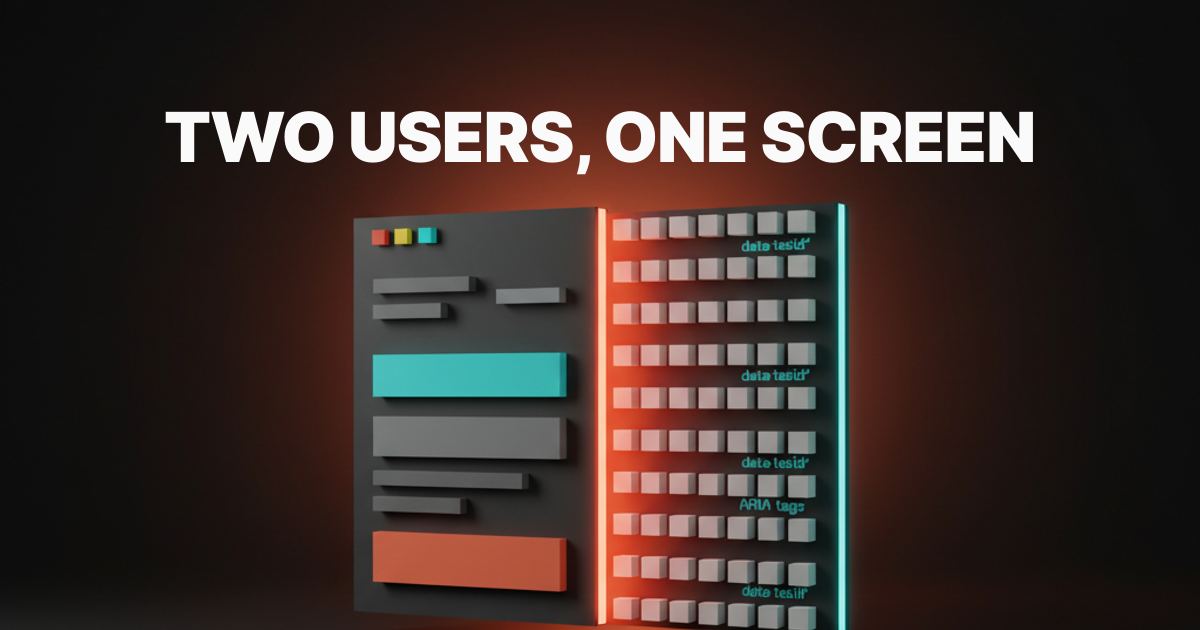
Designing for Agents Watching
AI agents are now first-class users of your product. The 2026 design constraint: every surface needs a human plane and a machine plane, or you lose the next agent integration.
Onboarding Without Onboarding
The 5-step welcome modal is dead. The five patterns AI-native products use to put new users inside real work in under thirty seconds, and the cases where onboarding still earns its keep.
Prompt Surfaces: The New UX Primitive
The prompt input is the new button. A working playbook for designing prompt surfaces as a first-class UX primitive, with anatomy, patterns, failure modes, and a pre-ship audit.
Designing Trust: How AI Products Win or Lose User Confidence in the First 5 Minutes
A working playbook for designing trust into AI products. Real teardowns of Claude.ai, Cursor, Granola, Perplexity, Linear AI, ChatGPT, and Notion AI. Six trust patterns that earn confidence in the first five minutes, four anti-patterns that destroy it, and a five-bullet checklist any designer can run on an AI surface tomorrow.
The MCP Era: How Model Context Protocol Quietly Reshaped AI Apps in 2026
A working primer and state-of-the-protocol on Model Context Protocol heading into mid-2026. What MCP actually is at the wire, why it won where prior agent-tool standards failed, the canonical servers shipping in production, what designers and builders should do with it, and where MCP still loses.
The Computer Use Era: When AI Agents Can Actually Run Your Software
A working playbook on AI computer use heading into mid-2026. What Anthropic Computer Use, OpenAI Operator, and browser-native agents actually do, where they ship, where they still break, and the design and dev decisions every team needs to make before the agents start using their product.
The 2026 Frontier Model Map: GPT-5.5, Claude 4.7, Gemini 3, and What Each Does Best
A working map of the 2026 frontier model landscape. GPT-5.5, Claude 4.7 Opus and Sonnet, Gemini 3 Pro, Llama 5, Grok 4, DeepSeek V4, and Qwen 3 graded on what they actually win at, where they leave money, ballpark pricing per million tokens, and a decision matrix for designers and builders picking models for real product stacks.
What Claude 4.7 Actually Changed for AI Builders
A working teardown of Claude 4.7 for AI builders. Agent reliability past two hours, 1M context standard across the family, computer use generally available, prompt caching tier improvements, and the Sonnet and Haiku speed jumps that opened high-throughput workloads.
Designing for Latency: When AI Speed Becomes UX
A working playbook for designing around AI latency. Streaming text, optimistic UI, progressive disclosure, reasoning surfaces, and background agents, with real teardowns of Claude.ai, Cursor, Linear AI, Granola, and Perplexity. Plus the math of perceived speed.
Prompts as Components: How Designers Build Reusable Prompt Libraries in 2026
Components made design scalable in the 2010s. In 2026, prompts are the new components. A working playbook for designers building reusable prompt libraries: anatomy, variants, versioning, distribution, and the new prompt librarian role.
Onboarding AI Products: How to Design the First-Run Experience for AI Tools
A working playbook for AI product onboarding. Real teardowns of Cursor, Claude.ai, Linear AI, Granola, Perplexity, ChatGPT, and v0. The patterns that build a mental model in 60 seconds, the patterns that kill activation, and a pre-ship checklist for any AI first-run experience.
The Designer's Eval Stack: How to Measure Design Quality When AI Generates Everything
When AI generates ten thousand design variations a day, "looks good to me" stops scaling. Designers must build eval stacks like ML engineers do. A working playbook for the eval pyramid, real tools, runnable rubrics, and the role designers grow into in 2026.
Vibe Coding for Designers: How to Ship Real Apps With v0, Bolt, Lovable, and Cursor
A working 2026 playbook for designers shipping real apps with AI dev tools. v0 vs Bolt vs Lovable vs Cursor vs Replit Agent vs Windsurf, the prompt patterns that produce shippable code, the design-system handoff flow, and the realistic ceiling on solo design-driven builds.
AI Code Editors in 2026: Claude Code vs Cursor vs Windsurf vs Copilot vs Zed
A working comparison of the major AI code editors heading into mid-2026. Claude Code, Cursor, Windsurf, GitHub Copilot Workspace, and Zed graded on agent quality, context handling, multi-file edits, design-to-code, pricing, and team adoption.
AI Agent UI Design Patterns: How to Build Interfaces for Autonomous Tools
A working pattern library for AI agent UI design. Eight real product teardowns from Claude Code, Cursor, Devin, Linear, ChatGPT Operator, Replit Agent, Bolt, and v0, plus the seven patterns every agent interface needs.
Claude Skills for Designers: Build Reusable AI Design Workflows
A practical guide to building Claude Skills for design work. Real packs for brand audits, UX critiques, component naming, and copy QA, plus how to scope, evaluate, and ship them across a team without the wheel-reinvention.
Context Window Explained, Why Long AI Chats Get Worse
What a context window actually is, why long AI chats slow down and lose sharpness before they hit the hard limit, and the percentage thresholds that tell you when to keep going, compress, or start fresh.
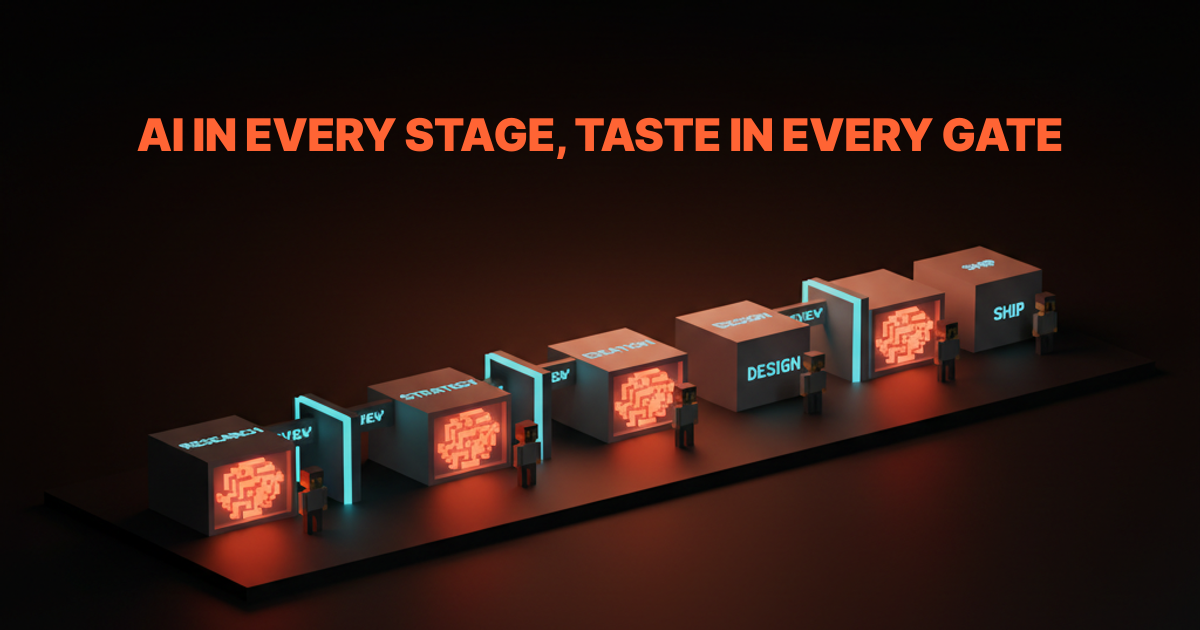
AI Design Workflow: The End-to-End Process Real Designers Use in 2026
A working playbook for an AI-native design workflow. The six stages, which AI touches each one, and the review gates that keep taste in the loop when the pipeline is generating fast.
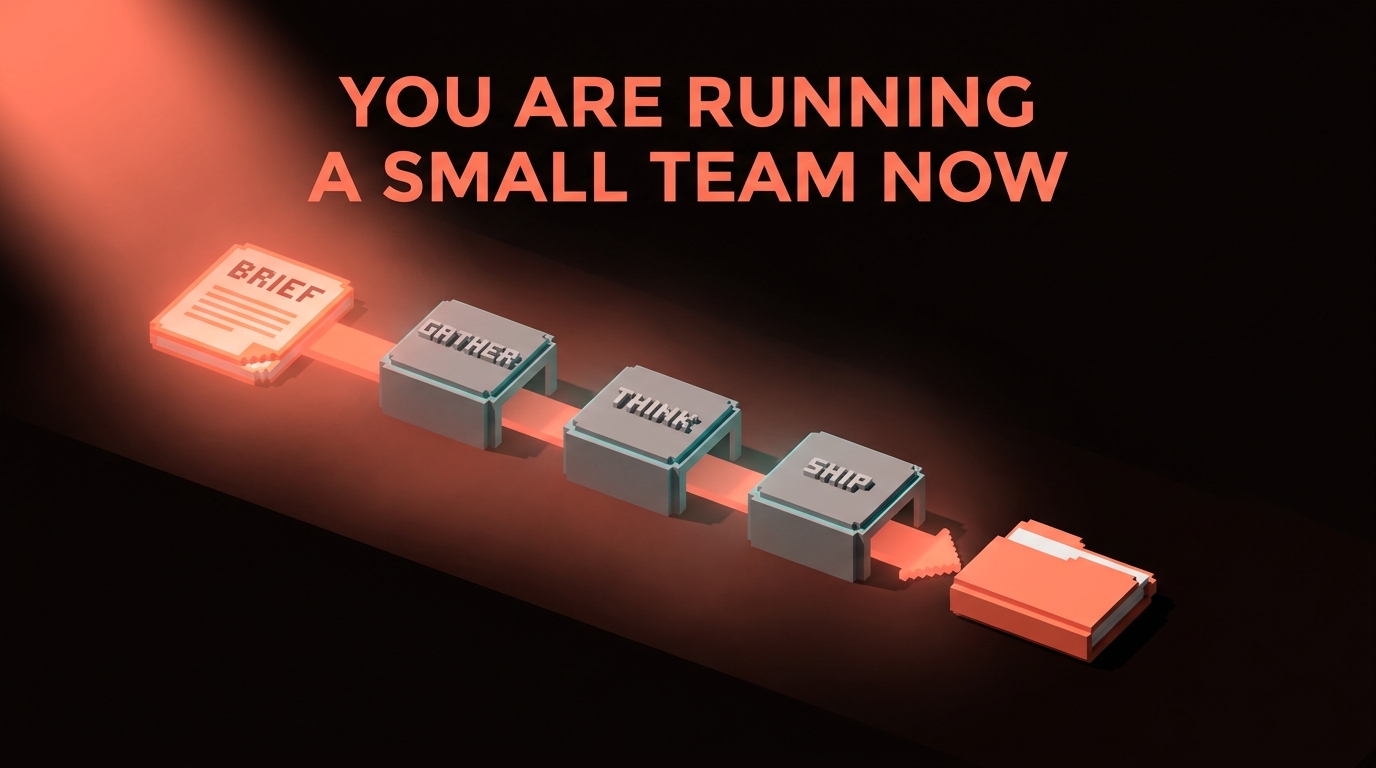
AI Agents for Designers: How to Design and Build Agentic Workflows
What an AI agent actually is, how it differs from a chatbot or a copilot, and three agentic workflows any designer can build without writing production code.
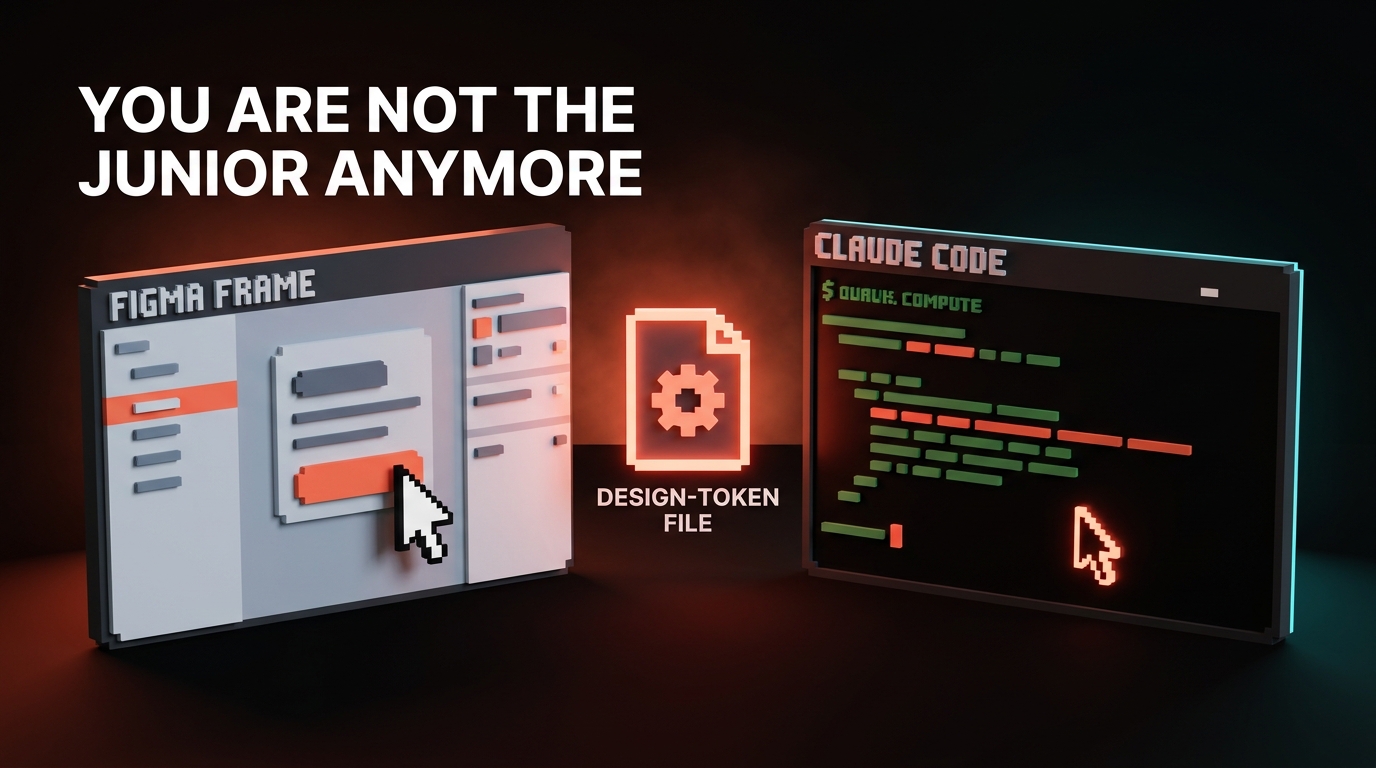
Claude Code for Designers: A Working Designer's Setup
How real designers use Claude Code every day for design systems, component refactors, and Figma-to-code work. The setup, the workflows, the limits.
Prompt Engineering for Designers: From Vague Briefs to Usable AI Output
The five parts of a prompt that produces work a designer can ship. Worked examples across image generation, UI prototyping, and coding agents.
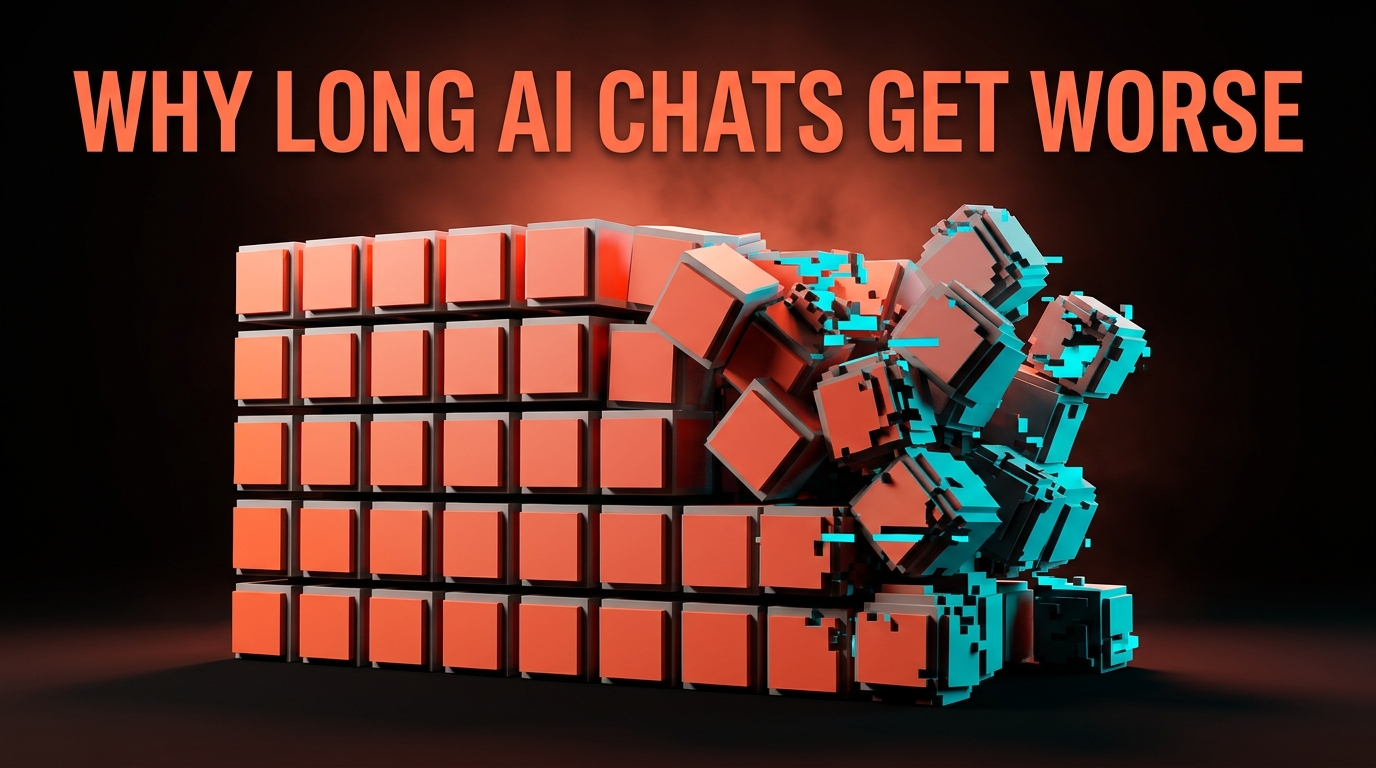
Context Window Explained: Why Long AI Chats Get Worse
Learn what a context window is, why long AI chats get slower and less reliable, and when to reset before token drag wrecks the work.