

Design Tools
Reviews, comparisons, and deep dives into the tools designers actually use. Figma, Framer, and beyond.
All Design Tools articles

Claude Code Memory: Why It Forgets, and the Two Numbers That Fix It
We rebuilt the memory behind our AI operator, found the cap that was silently deleting our own rules, then ran the MemConflict benchmark ourselves and tied mem0 at a twentieth of its ingest cost. What actually works, with the numbers.
Version-Controlled Design Tokens Just Became Standard Practice
Design tokens are now reviewed in pull requests, semantically diffed, and shipped with changelogs, the same way engineers ship code across platforms.
Which Figma AI Features Are Actually Usable in June 2026
Config 2026 shipped a wave of Figma AI features. Here is which ones are production-ready, which need heavy cleanup, and which to skip, judged on real use, not the keynote.
Claude Design vs Figma AI: What Designers Should Use
Claude Design turns a prompt into visuals for non-designers. Figma stays the pro canvas, reloaded at Config 2026. Here is who should use which in 2026.
Machine Readable Design Systems Are Not Optional in 2026
AI tools build from your design system now, not just your screenshots. Here is how to make tokens, components, and states structured enough for a machine to read without amplifying the mess.
Figma Weave: A Designer's Guide to Figma's AI Design Generation Tool
What Figma Weave actually does, where it slots into a real designer workflow, and the prompts and patterns that get usable output instead of generic AI mush.
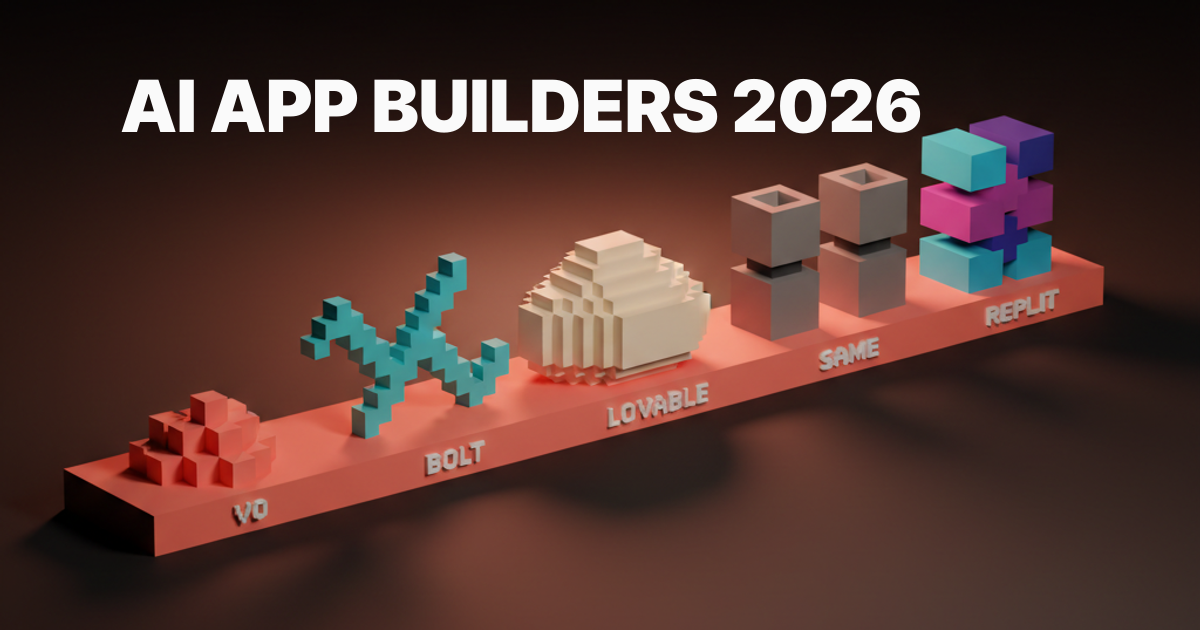
AI App Builders Compared 2026, The Head To Head Pick
The 2026 head to head review of v0, Bolt, Lovable, Same, and Replit Agent. Strengths, weaknesses, real workflow tests, verdicts, and category trajectory.
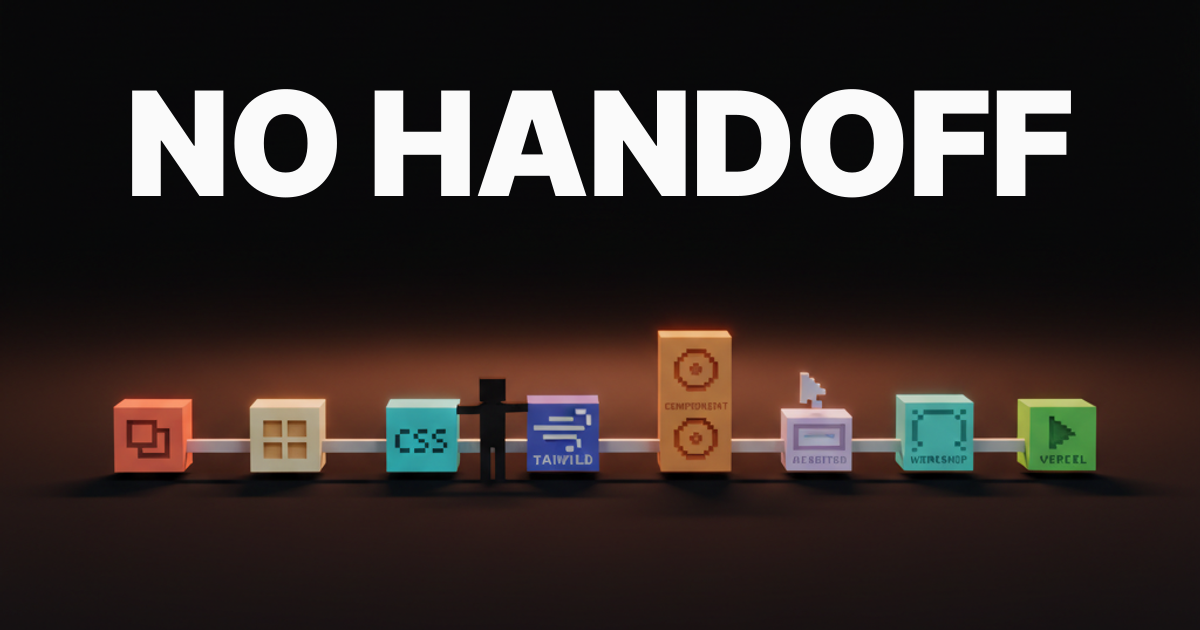
The Design Engineering Toolchain in 2026: Figma to Production Without a Handoff
The design engineering toolchain in 2026 is end to end, no handoff. Figma Variables to Tokens Studio to Tailwind v4 to shadcn to Storybook or Ladle to Linear to Cursor or Claude Code to Vercel preview. Here is the working stack, the tool combinations that ship, and the dead-ends.
Framer vs Webflow vs Next.js in 2026: Which Stack Wins for Which Site
A real comparison of Framer, Webflow, and Next.js for marketing sites in 2026. The five use cases each one wins, the pricing math, the migration cost when you outgrow the choice, and the decision framework for picking.
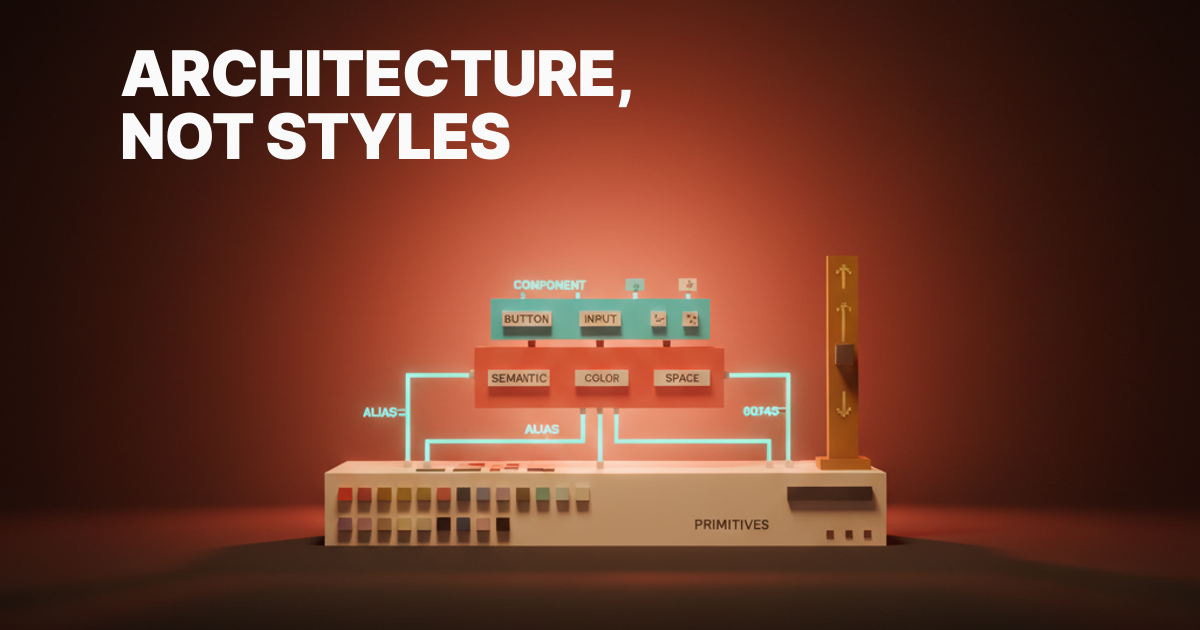
Figma Variables Architecture: How to Build a Token System That Survives Production
A working architecture guide for Figma variables. The three-layer token model, the modes-vs-collections decision, and the handoff pattern that gets variables out of Figma and into code without rewriting half the system.
Reading Code Without Coding: A Designer's Survival Guide for 2026
A practical guide for designers who do not write code but need to read it well enough to ship in modern dev orgs. What to look at first in a JSX or TSX file, the patterns that are design decisions, the patterns to leave alone, and a 12-thing checklist any designer can run on a frontend pull request.
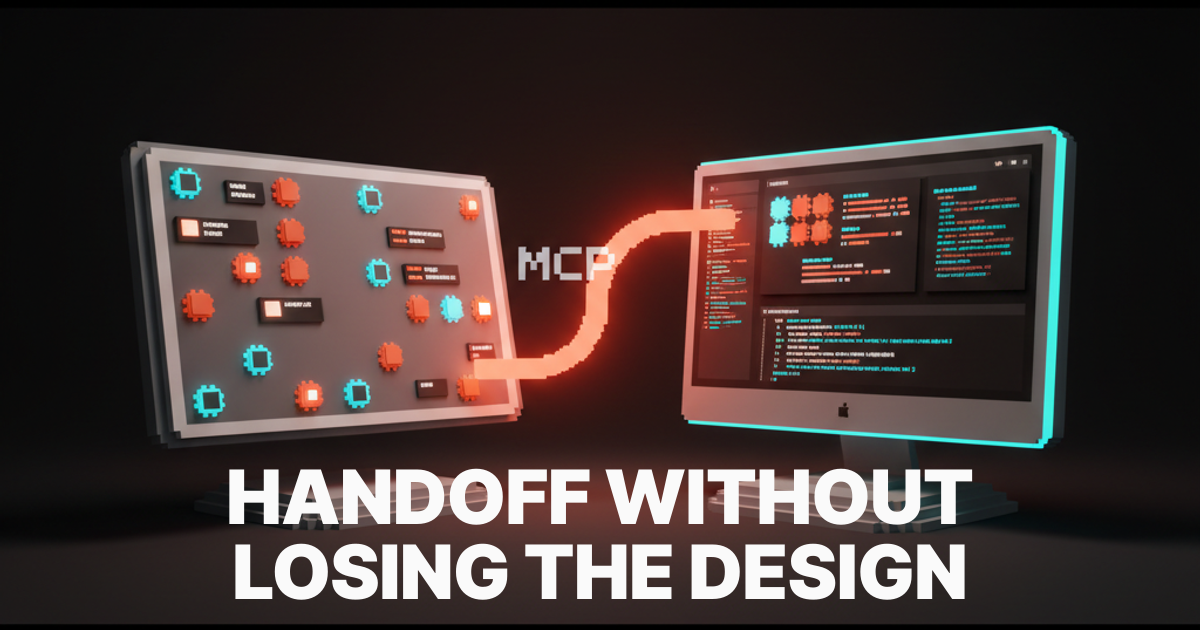
Design Handoff: How to Hand Figma to Developers Without Losing the Design
A working playbook for design handoff in 2026. The Figma file structure, token discipline, MCP wiring, and review loop that ships designs intact instead of approximated.
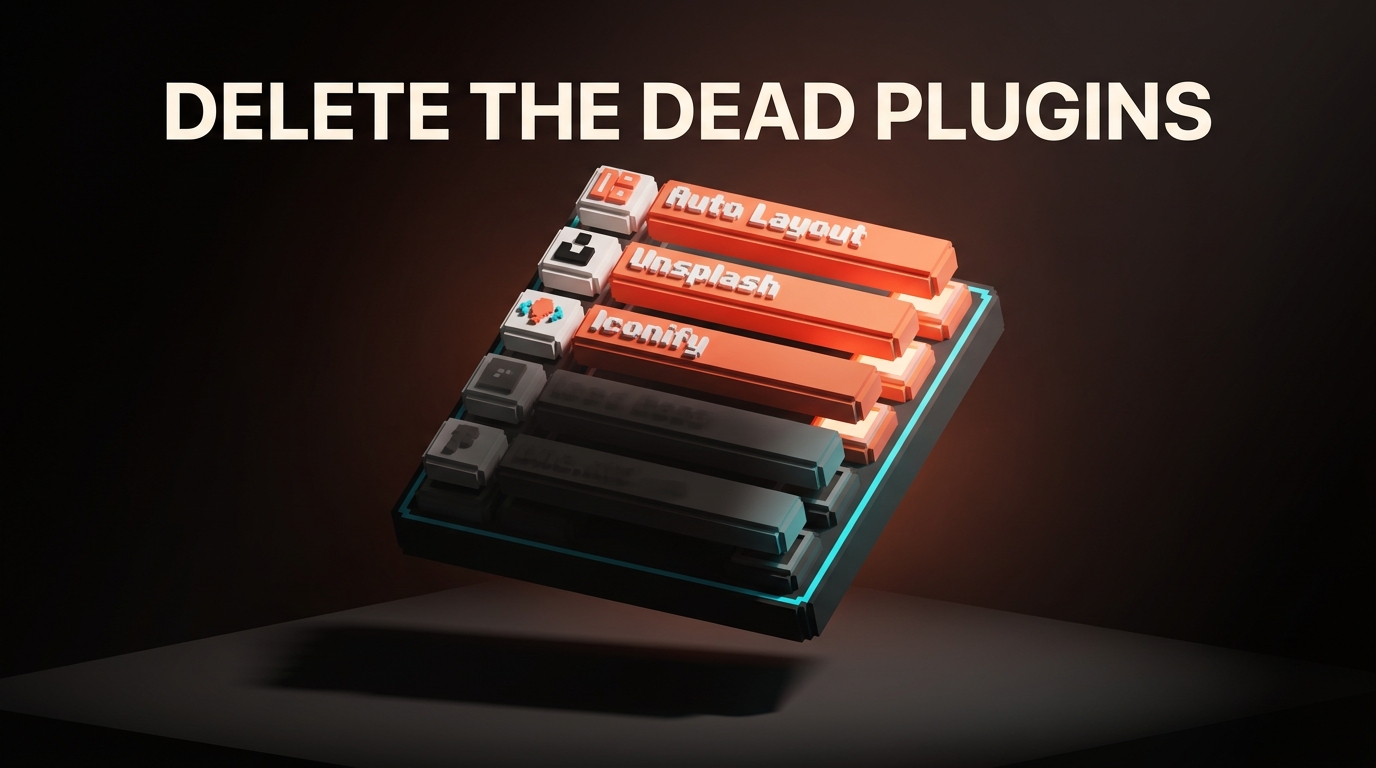
Figma Plugins for Designers: The Short List That Actually Earns Its Keep in 2026
Most Figma plugin lists are noise. Here are the eleven plugins real designers use every week, what each one is for, and the ones to delete.
Figma MCP: Connecting Figma to Claude Code and AI Coding Agents
What Figma MCP actually does, how to install it in ten minutes, the five workflows it unlocks, and where it still breaks.