
Version-Controlled Design Tokens Just Became Standard Practice
Design tokens are now reviewed in pull requests, semantically diffed, and shipped with changelogs, the same way engineers ship code across platforms.
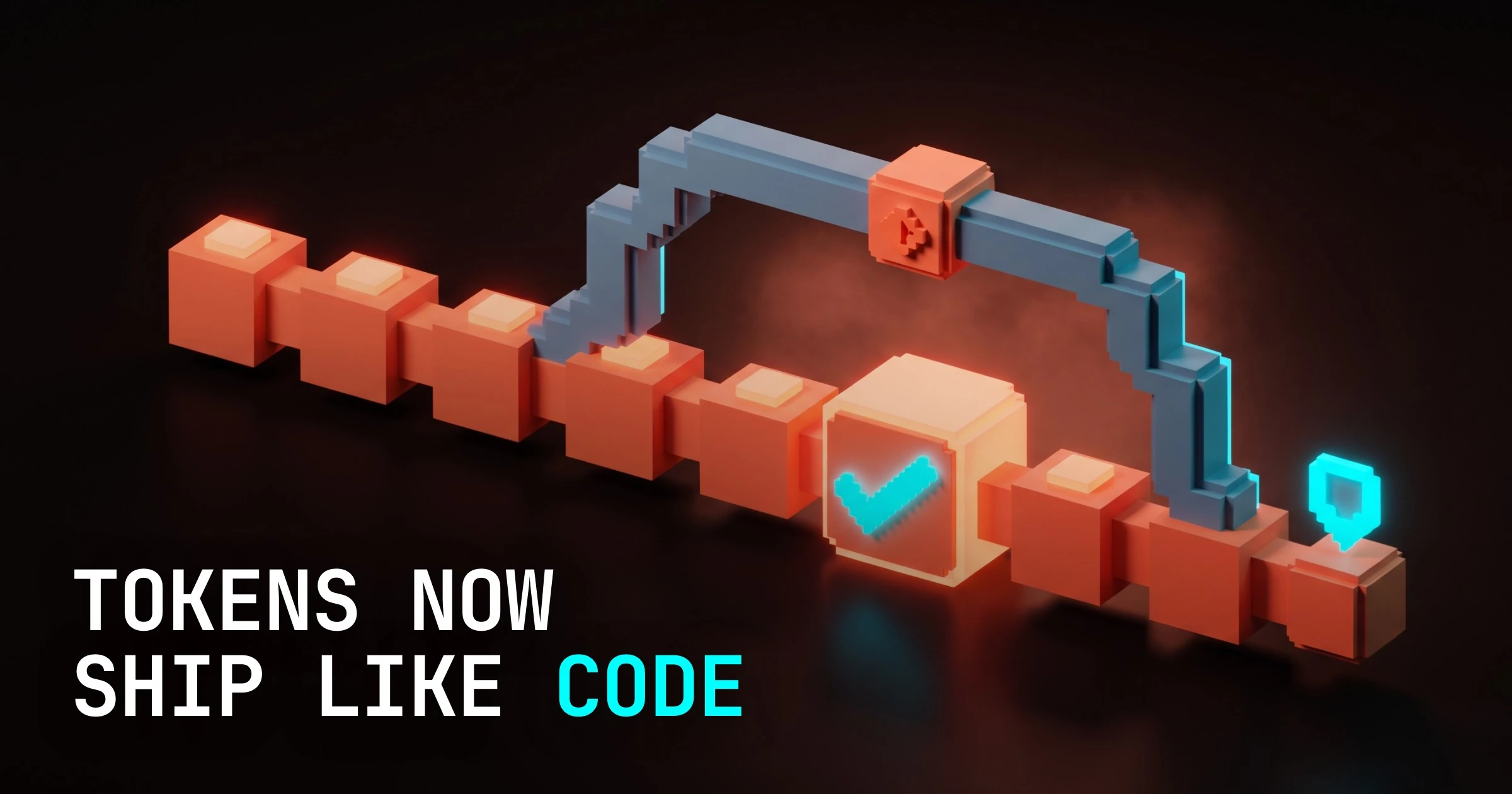
A design token is no longer a value you export and forget. It is a versioned product change that moves through a branch, a pull request, a review, and a changelog, the same way engineers ship code. The quiet shift went loud when designers started posting real pull requests for palette edits: a color token changed, reviewed in a PR, approved, merged, released with a changelog entry.
The reason it matters is mechanical, not aesthetic. When one token changes, it can ripple to every platform and product that reads it, so an unreviewed swatch edit is now a production change. That is the whole story, and the rest of this is how it works and whether you actually need it.
What "version-controlled tokens" actually means
It means your tokens live in a repository, not just a Figma file. The values for color, spacing, type, radius, and motion are stored as structured data that a version-control system can track line by line.
The catalyst here is Tokens Studio. Tokens Studio lets you edit tokens inside Figma, then sync that token set to a GitHub repository. The moment your tokens are in a repo, every change becomes a commit, every proposed change becomes a pull request, and every release becomes a tagged version with a history you can read.
So "version-controlled tokens" is not a metaphor. It is the literal practice of putting design decisions under the same git workflow GitHub gives engineers, then borrowing the safety rails that come with it: branches to isolate work, reviews to catch mistakes, and a changelog so nobody has to guess what moved.
The shift, a token edit is now a production change
Here is the part that reframes everything. A token is shared by definition. The whole reason you made color.brand.primary a token instead of a hex value scattered across screens was so one change would update every place that consumes it.
That superpower is also the risk. The instant you edit that token, you have proposed a change to every button, link, badge, and state across web, iOS, and Android. There is no "just this one screen." Style Dictionary, the build step most teams pair with their tokens, compiles the merged token set out to every platform, so a single edit becomes a multi-platform release.
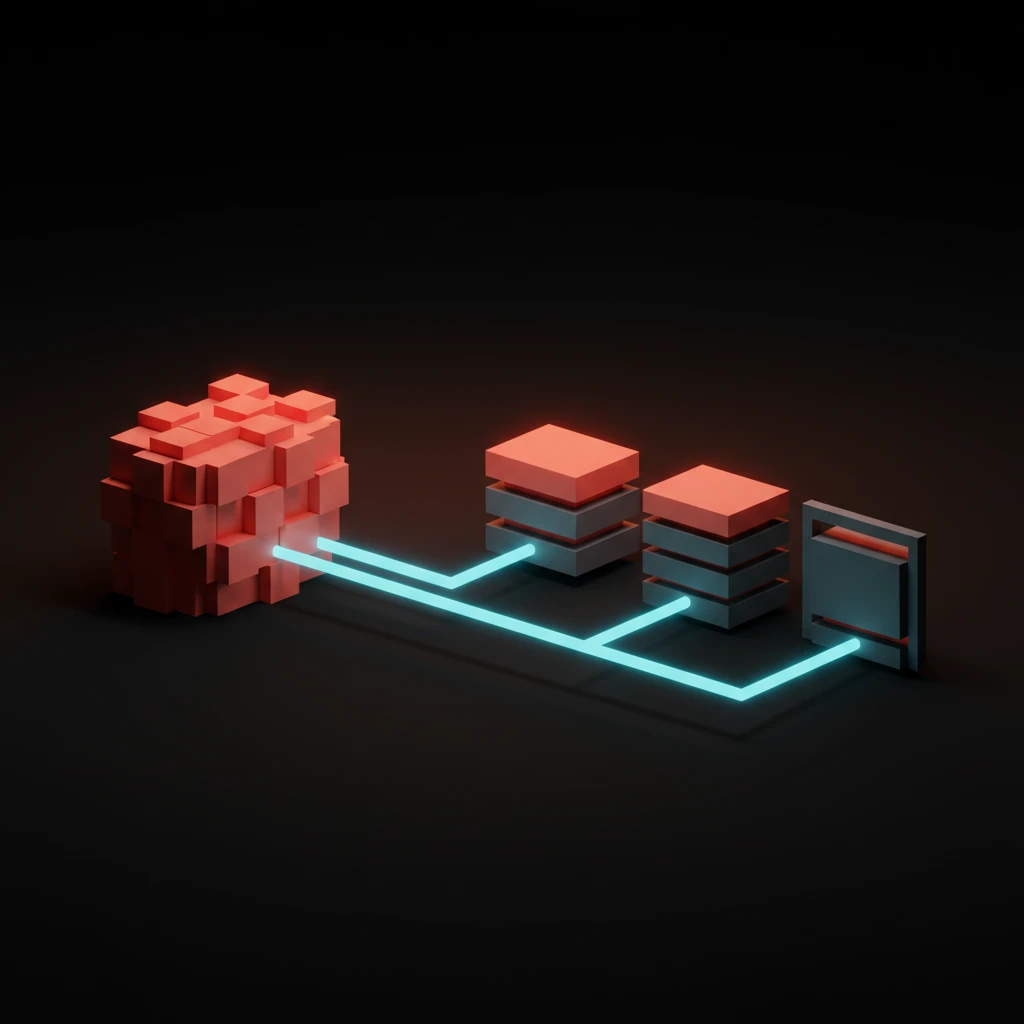
Treat that like a casual save and you have shipped an untested production change to your entire surface area. Treat it like code and you get a review before it goes anywhere.
The version-control playbook, mapped to tokens
This is the table worth saving. Every practice engineers use to ship code safely now has a clean design-token equivalent.
| Software practice | Token equivalent |
|---|---|
| Branch | A working copy of the token set where you edit a palette without touching production |
| Pull request | The proposed token change, opened for review before it merges |
| Code review | A design-systems lead approving the swatch, spacing, or type change and its blast radius |
| Semantic version | Bumping the token release so consumers know if it is a patch, a minor, or a breaking change |
| Changelog | The human-readable record of what changed, why, and which platforms it touches |
| Continuous integration | Style Dictionary compiling the merged tokens out to web, iOS, and Android automatically on merge |
The mapping is not cute. Each row solves a real failure mode.
Branches stop half-finished palette experiments from leaking into production. Reviews catch the "I darkened the brand color and it broke contrast on three states" problem before users see it. Semantic versioning tells the app teams whether they can pull your update on a Friday or need to plan for it.
What semantic diffing a palette looks like
A semantic diff shows what a token change actually means, not just which characters moved. A raw git diff tells you #ff6b3d became #ff6434. A semantic diff tells you the brand primary got slightly more saturated, that it now affects 14 components, and that the new value drops below your contrast threshold on the disabled state.
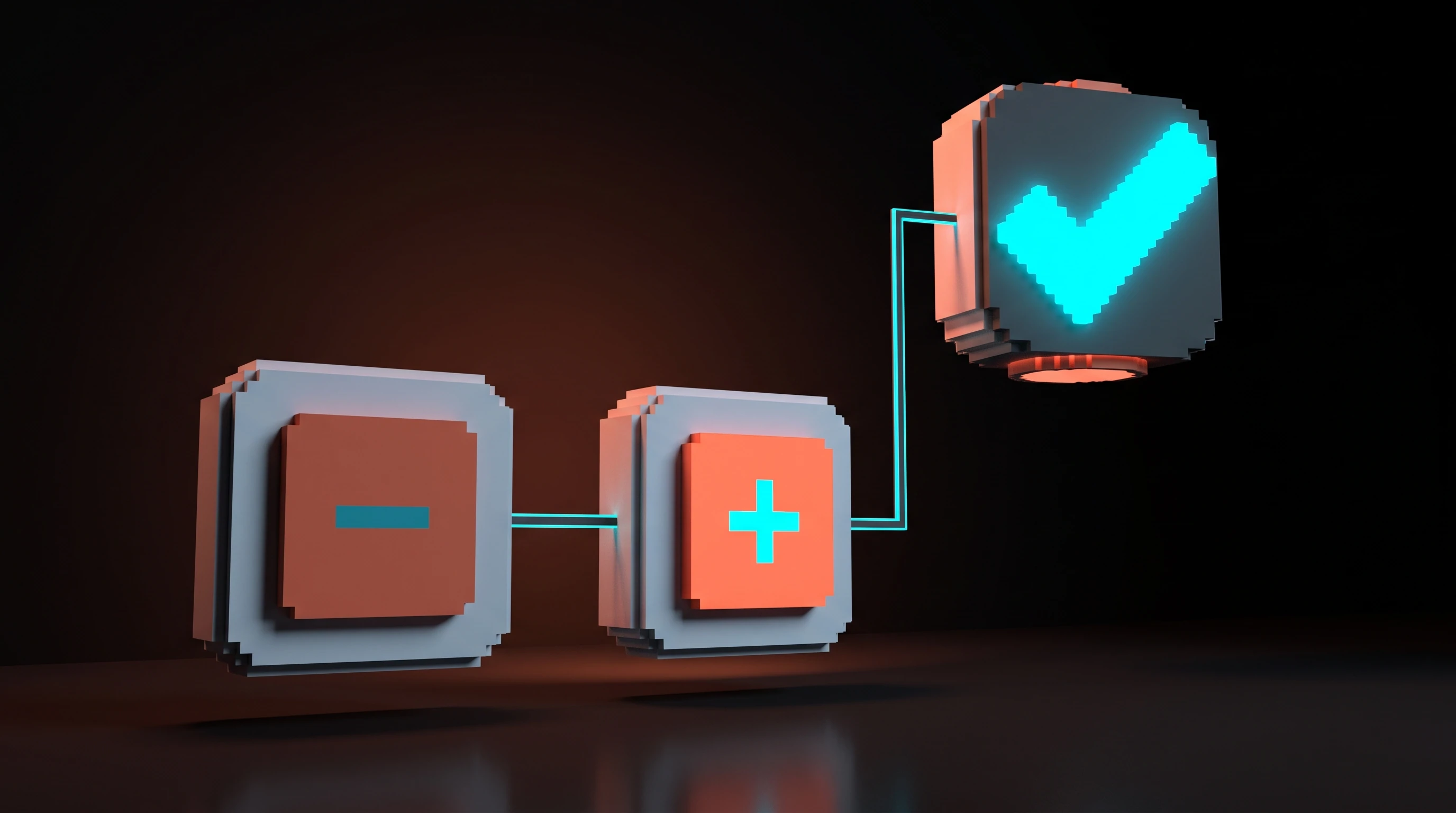
In practice, the pull request becomes the review surface. The old swatch sits on the left, the new swatch on the right, the changed properties are listed, and a reviewer approves or requests changes. That is the entire ceremony, and it is the same muscle a code reviewer already has.
The value is that a color decision stops being invisible. Before this workflow, palette changes happened in a Figma file, got exported, and landed in production with no record of who decided what. Now the decision has an author, a reviewer, a timestamp, and a reason. When something looks wrong in three weeks, you read the changelog instead of interrogating the team.
Why this is happening now
Three things lined up:
- Tokens Studio made the Figma-to-GitHub round trip practical, so designers no longer need an engineer to put tokens in a repo.
- Style Dictionary matured as the build layer that turns one token source into platform-specific output, which is what makes a merge an actual release.
- GitHub was always sitting there as the substrate, with branches, pull requests, reviews, releases, and changelogs already battle-tested by every engineering team on earth.
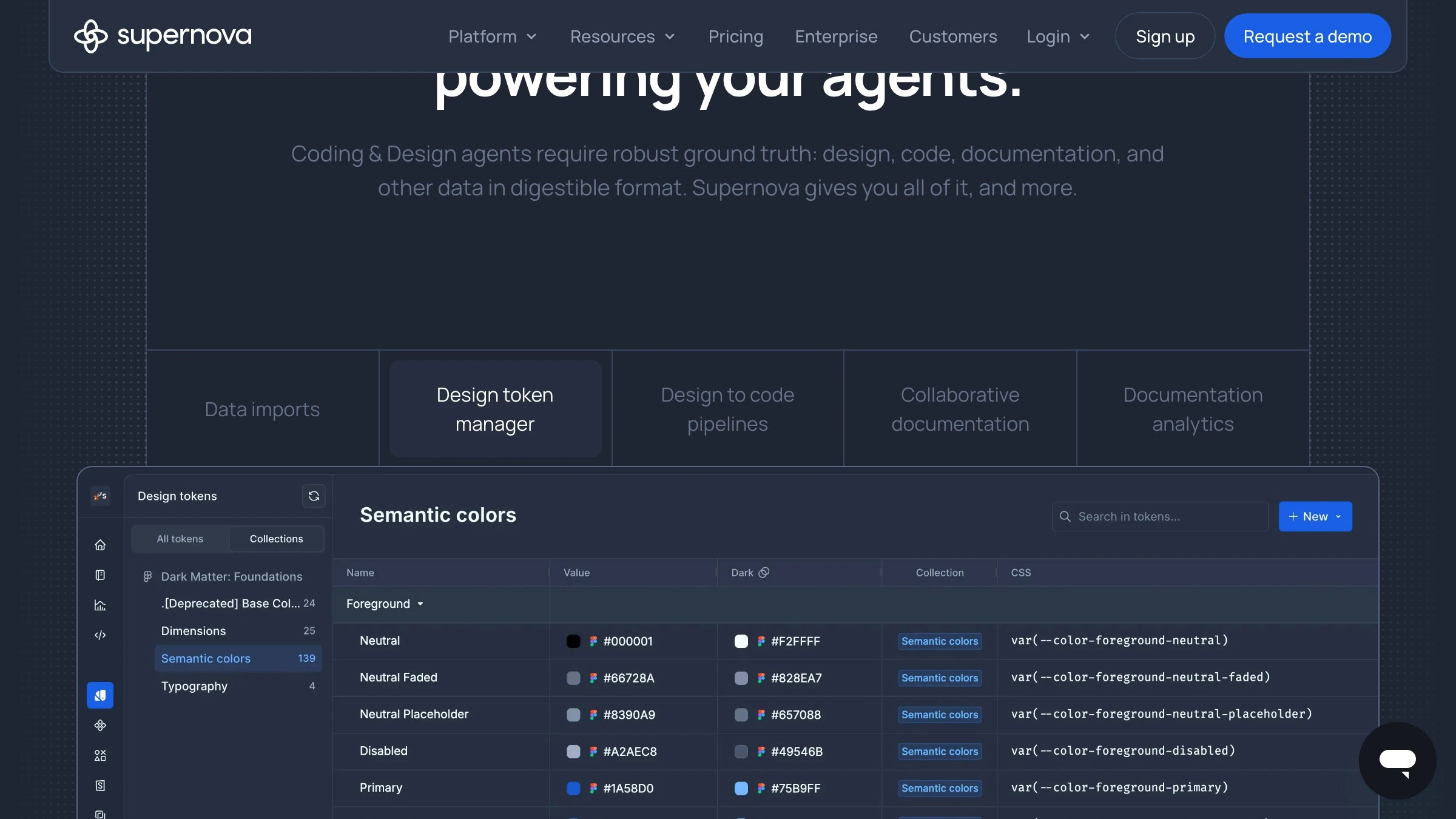
The other driver is scale. Platforms like Supernova productized the management and distribution of tokens across multiple products, which is the kind of tool you only reach for when your palette feeds more than one app. Once a token set serves web plus two native apps plus a marketing site, "I edited the Figma file" stops being a safe sentence.
So the shift is less an invention and more a collision. Designers got tools that speak git, design systems got big enough to need it, and the engineering practices were already proven. The viral pull requests just made the change legible to everyone who had not noticed it yet.
The honest counterpoint (design-ops theater is real)
Most teams do not need the full git-flow ceremony for their palette. If you are a three-person studio shipping one product, wrapping every color tweak in a branch, a pull request, two approvals, and a semantic version bump is process cosplay. You are paying engineering overhead to protect against a blast radius you do not have.
Design-ops theater is a genuine failure mode. It looks like progress because it produces artifacts: PRs, changelogs, review queues, status labels. But artifacts are not outcomes. If your token change touches one product that one person owns, the review is you reviewing yourself, and the changelog is a diary you keep for an audience of one.
The overhead is real on both sides. Version control gives tokens real safety, and it also invites teams too small to need it to ship process instead of product. The trap is adopting the ritual because it looks rigorous, then wondering why simple color changes now take two days.
How to put your tokens under version control
Start with the decision, not the tooling. Version the tokens that ship to more than one place and break things when they change. Leave the rest in Figma where they belong.
If you cross that line, the setup is short:
- Move your token set into Tokens Studio inside Figma so the values are structured data, not loose styles.
- Sync that set to a GitHub repository. Now every change is a commit and every proposal is a pull request.
- Add Style Dictionary as the build step so a merge compiles tokens out to web, iOS, and Android automatically.
- Decide your review rule. Who has to approve a token change before it merges, and what counts as breaking.
- Write the changelog as you go. One line per change: what moved, why, which platforms.
If you outgrow the hand-rolled version, a platform like Supernova manages and distributes tokens across products so you are not babysitting the pipeline by hand. Reach for it when the number of consuming products, not the number of designers, makes manual distribution painful.
Use this rule for where each token belongs.
| Situation | Where the token should live |
|---|---|
| Feeds one product, one owner, low blast radius | Figma, no PR ceremony needed |
| Feeds multiple platforms or products | Repository, with review and a changelog |
| Changing it can break contrast, layout, or brand | Repository, with a required approval |
| Experimental or local to one screen | Figma, do not version it |
FAQ
Do small teams need version-controlled tokens?
Usually not. If your tokens feed one product that one person owns, the review is you approving your own change and the changelog is a diary. Adopt it when a token edit can break something for someone who is not in the room.
What is the difference between Tokens Studio and Style Dictionary?
Tokens Studio is where you edit and sync tokens, connecting Figma to a GitHub repository so changes become pull requests. Style Dictionary is the build step that compiles the merged tokens out to each platform. One handles authoring and review, the other handles distribution.
Can you version tokens without GitHub?
You can use any version-control host, but GitHub is the common substrate because the branches, pull requests, reviews, releases, and changelogs are already mature. The practice matters more than the brand. What you need is a place where a token change becomes a reviewable, recorded event.
What is a semantic diff for a design token?
It is a view of what a token change means, not just which characters changed. Instead of showing that one hex value became another, it shows the old swatch beside the new one, which components are affected, and whether the change crosses a threshold like contrast. It makes a color decision reviewable.
Does this replace my designer's judgment?
No. It records and reviews the judgment instead of leaving it invisible. The workflow does not decide whether the new brand color is right, it just makes sure a human approved it and a changelog explains why before it ships to every platform.
The takeaway (version what ships)
The shift is real. Tokens Studio, Style Dictionary, and GitHub together turned the design token from a static export into a versioned product change with branches, reviews, semantic diffs, and a changelog. When one edit can release to every platform at once, it deserves the same safety rails engineers already use.
The discipline is knowing where the line sits. Version the tokens that ship across platforms and break things when they move. Leave the rest in Figma and resist the urge to wrap a one-owner color tweak in a two-approval pull request.
Need a design system that ships across platforms without breaking? Brainy builds them.
Get StartedGet new papers by email
New Brainy papers in your inbox. Confirm once, unsubscribe anytime.