
Claude Fable 5 Just Collapsed the Design-to-Code Gap
Fable 5 turns a screenshot into production-ready UI in one pass. Here is what actually changed, where it breaks, and what "finished" means for designers now.
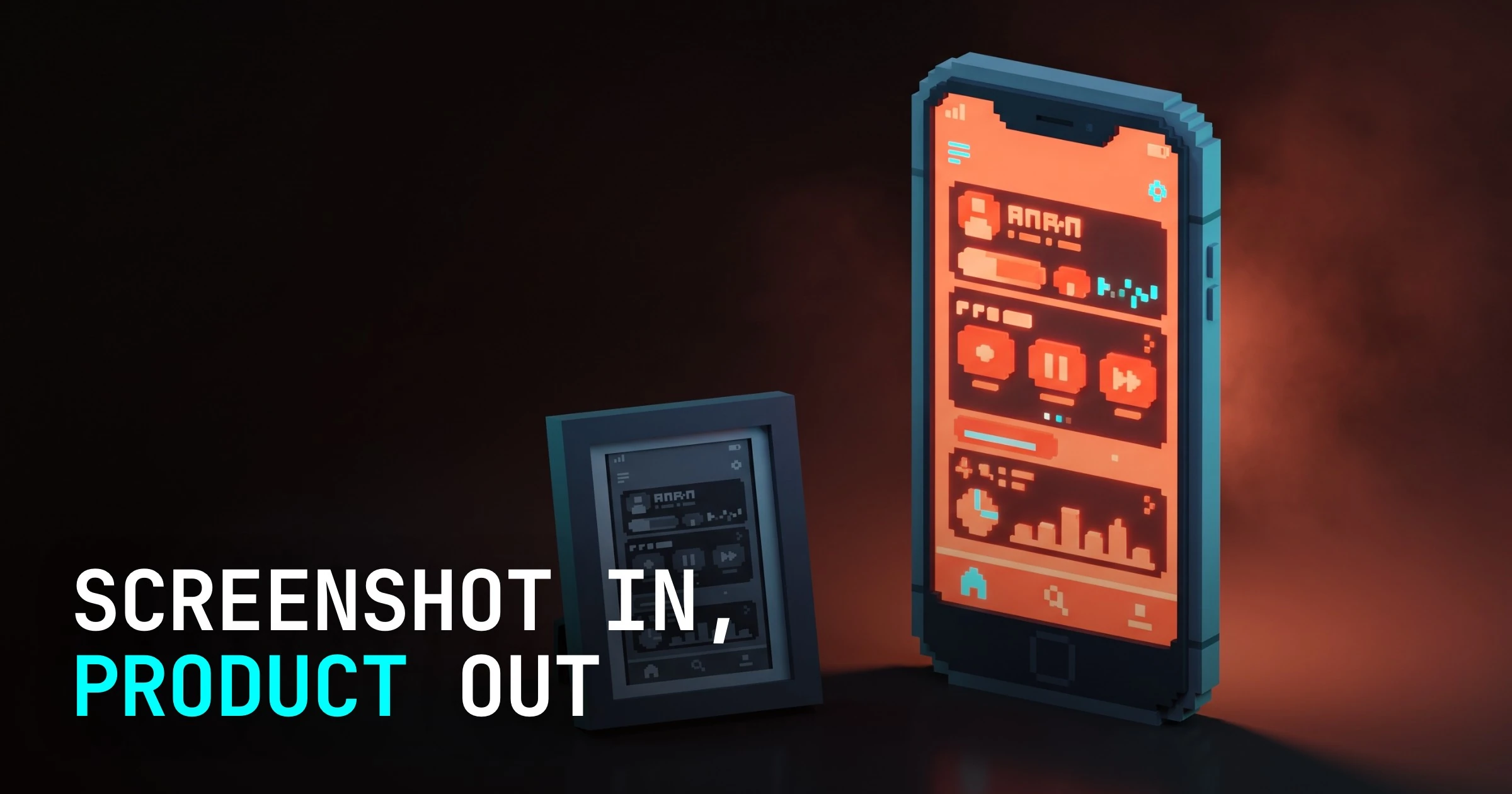
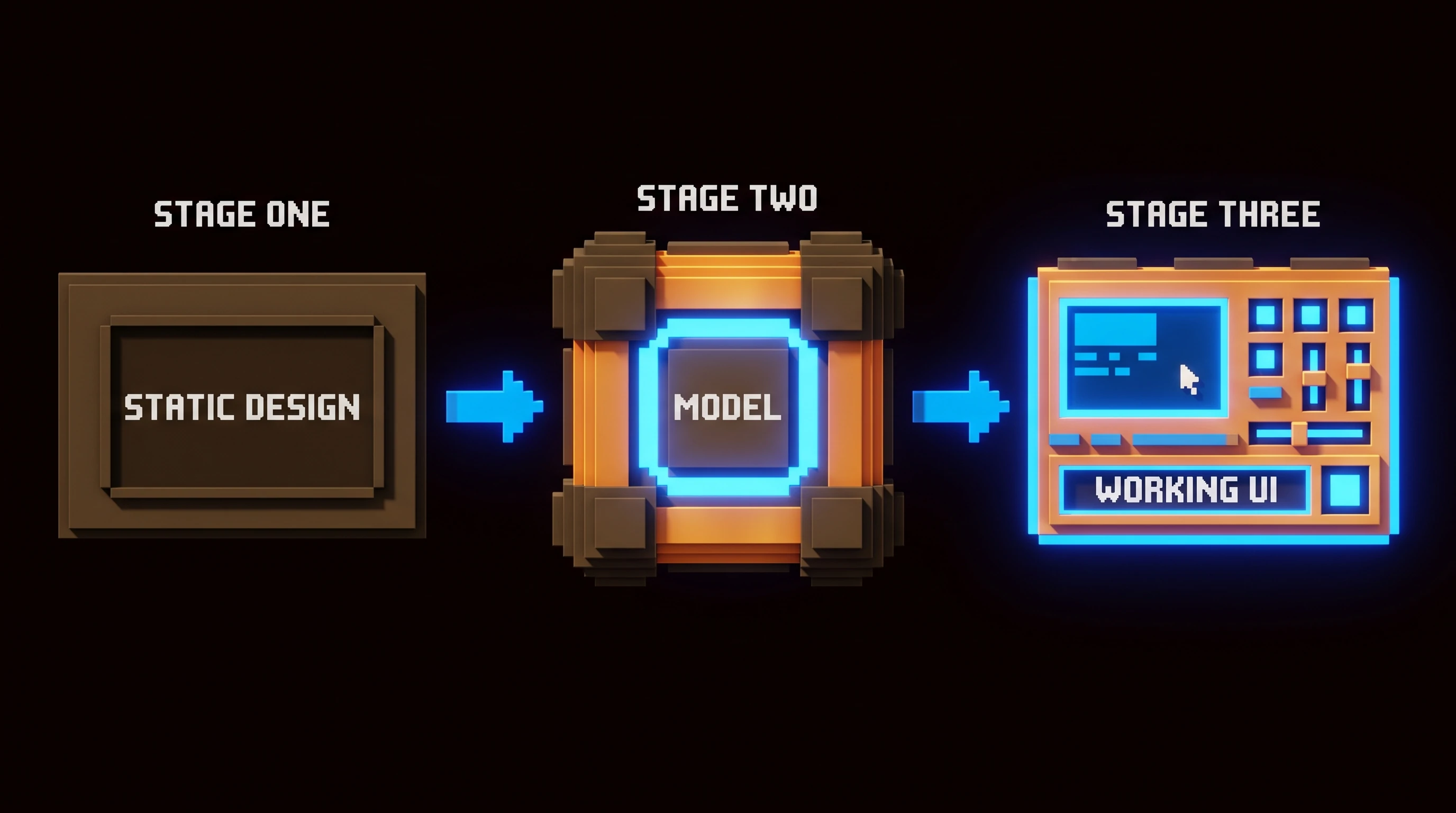
Fable 5 moved the finish line. The step that used to eat a designer's week, turning a static screen into working interface code, is now close to free. That single shift changes what your deliverable is for, and pretending otherwise is how you fall behind.
Here is the honest version, designer to designer. What actually changed, where it still falls apart, and what your job becomes when screenshot-to-code stops being the hard part.
The demo everyone is reacting to
A viral thread from @chubby (18.4k reposts and 340-plus designer replies) shows a video of Fable 5 taking a Figma screenshot and returning a working interface in one pass, with almost no follow-up prompting. The replies are designers doing the same thing on their own files and posting results. That is the tell. Not a vendor reel, real practitioners testing it on real work.
A second demo thread from @bauyo (12.1k likes) pushes harder, posting before-and-afters of complex marketing sites rebuilt from static designs. The point of both threads is the same. You hand the model a picture of an interface, and what comes back is not a sketch, it is something you could ship.
The timing matters. Fable 5 reappeared in Bedrock and the Claude Code model pickers on June 24 and 25, after a 13-day suspension. The first wave of genuinely good public demos landed inside the 48 hours after that. So the reaction you are seeing is not hype settling, it is the first honest look.
What actually changed
Speed is not the story. We have had fast, ugly code generation for two years. What changed is that the vision read got accurate enough that the output respects your design instead of approximating it.
Last year's screenshot-to-code tools gave you a vibes export. Roughly the right layout, invented spacing, hardcoded hex values everywhere, none of your type scale. You spent the time you saved cleaning it up. Fable 5's jump is in two places that designers actually feel.
First, it reads the design properly. Spacing relationships, hierarchy, component repetition, the difference between a card and a section.
Second, the code it returns tends to reach for the system. Designers in the threads are reporting token-aware output that maps to existing variables and component conventions rather than dumping raw values. That is the difference between a throwaway and a starting point your engineers will accept.
| Last year's exports | Fable 5 | |
|---|---|---|
| Layout read | Approximate | Faithful to the design |
| Spacing and type | Invented, hardcoded | Maps toward your scale |
| Values | Raw hex everywhere | Reaches for tokens and variables |
| First output | A cleanup job | A starting point you keep |
Where it still breaks
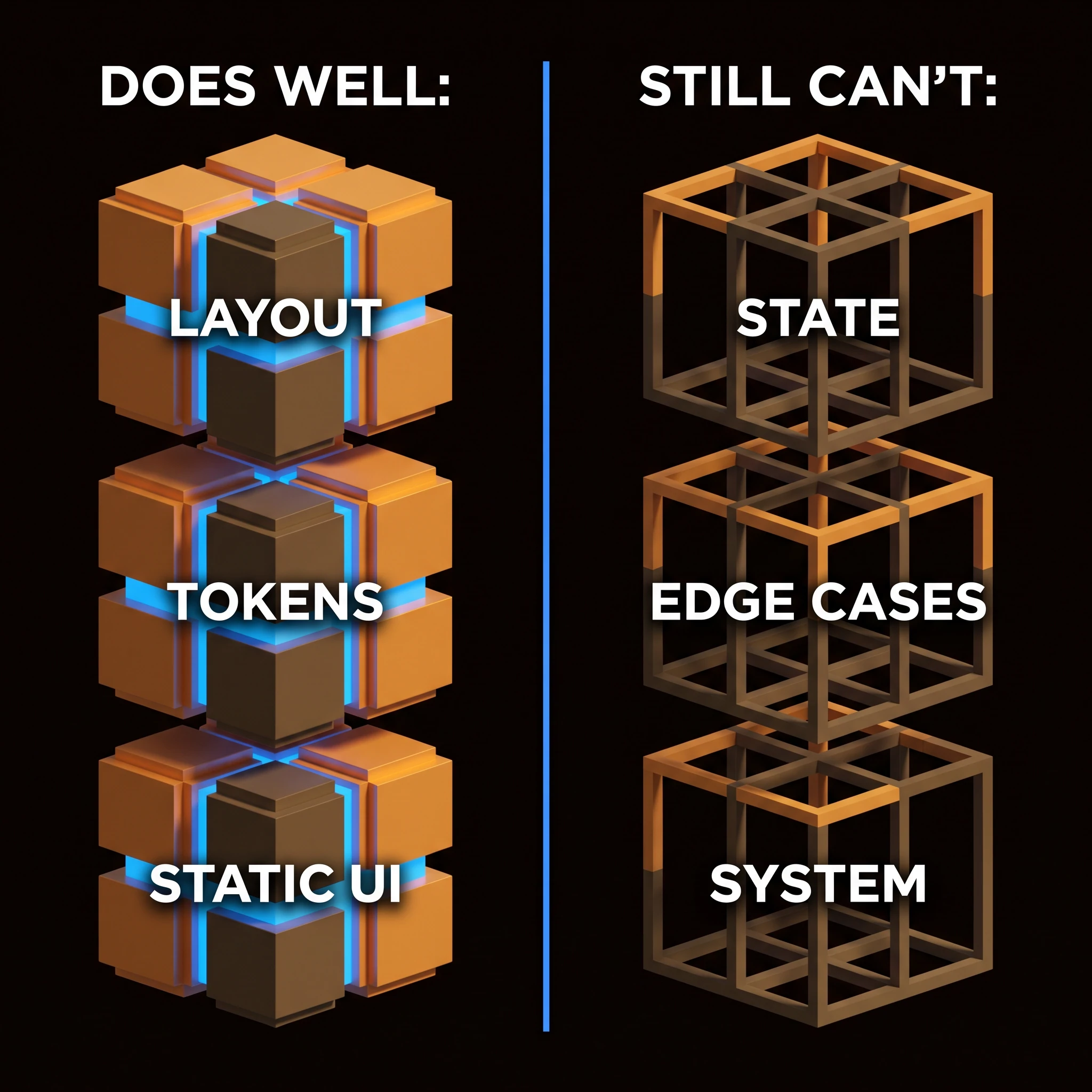
This is the part the hype threads skip, and it is the part that keeps you employed. A single screenshot is a single state. Your product is not a single state. Everything the static frame cannot show is exactly where Fable 5 stops being magic.
Hand it one screen and it gives you that screen. It does not know your empty states, your loading skeletons, your error copy, your validation rules, or what happens on the 400th row. It cannot see the interaction you never drew. And it has no opinion about whether the thing was worth building in the first place.
| What Fable 5 does well | What it still can't do |
|---|---|
| Read a static design faithfully | Infer states it cannot see (empty, loading, error) |
| Produce token-aware, system-leaning markup | Handle complex interaction and real data behavior |
| Rebuild a known layout fast | Get accessibility right beyond the obvious (focus order, ARIA, contrast intent) |
| Match visible spacing and hierarchy | Make system-level decisions about reuse and structure |
| Give engineers a credible starting point | Hold brand judgment, taste, and what to cut |
None of these are bugs that get patched next release. They are limits of the input. A picture of a button cannot tell the model what the button does when the network drops. Your judgment fills that gap, and that gap is most of the actual work.
What "finished" means now
The deliverable changed shape. For years, "done" meant a 47-screen Figma file with redlines, a spec doc, and a handoff meeting. That artifact existed because the screen-to-code translation was expensive and lossy, so you over-specified to protect intent.
When the translation is nearly free and faithful, the giant spec file is dead weight. The working artifact wins. A rendered, interactive version of the idea communicates more in ten seconds than a page of annotations ever did, and your engineers can read it as code, not as a document to interpret.
Process docs lose to a 3-minute Loom. Showing the thing working, narrating the two decisions that matter, beats a written spec nobody opens. The deliverable is no longer the design of the screen. It is the decision about what the screen should be and the judgment that it came back right.
| Old "finished" | New "finished" |
|---|---|
| 47-screen Figma file | One working, reviewable artifact |
| Redlines and spec doc | A 3-minute Loom of it running |
| Handoff meeting | Decisions made, output judged correct |
The designer's job after the gap closes
The gap closing does not delete the designer. It deletes the busywork that was pretending to be the job. Three things become the whole game.
One, decide what is worth building. When producing a screen costs minutes, the constraint moves to choosing the right screens. Knowing what to cut, what to sequence, and what not to build is the edge. The model has no taste for restraint, you do.
Two, judge and correct what the model returns. Fable 5 gives you a confident draft, and confident drafts are dangerous. Reading output against the limits table above, catching the missing error state, the wrong focus order, the brand tone that drifted, is the new core skill. Curation, not generation.
Three, own the system and the taste. The model leans on your tokens and components, so the quality of your system determines the quality of everything it produces. A strong design system makes Fable 5 sing, a weak one makes it confidently wrong at scale. The taste behind the system is the thing no model has.
How to actually use it this week
Stop treating it as a toy and put it in the pipeline. The workflow is short and it works today.
Start with intent, not pixels. Decide what the screen is for and what states it has before you draw anything. The thinking is the part the model cannot do, so do it first.
Design the primary state to your normal bar, then screenshot it. A clean frame in your real system, with your tokens, gives the best read. Feed that to Fable 5 and let it return the working artifact in one pass.
Then review against the limits table, do not skim it. Walk the empty, loading, and error states it could not see. Check focus order, contrast, ARIA, and that the values mapped to your tokens instead of hardcoding. Fix what is wrong, ship the artifact, and send a Loom instead of a spec.
| Step | You own | Fable 5 owns |
|---|---|---|
| 1. Intent and states | Yes | No |
| 2. Primary design | Yes | No |
| 3. Screenshot to code | Review | Generate |
| 4. State and a11y pass | Yes | No |
| 5. Ship and narrate | Yes | Assist |
The takeaway
This is not the "designers are obsolete" story. It is the opposite. Fable 5 ate the mechanical middle of the job, the translation step, and left the two ends that always mattered most. Deciding what to build and judging whether it is right.
The designers who win this year are the ones who stop guarding the pixel-pushing and start sharpening the judgment. The model collapsed the gap between design and code. It did not collapse the gap between good and right, and that gap is now the entire job.
FAQ
What is Claude Fable 5?
Fable 5 is a Claude model that became newly visible to designers when it reappeared in Bedrock and the Claude Code model pickers on June 24 and 25, after a 13-day suspension. The reaction centers on its vision-to-code quality, turning a screenshot of an interface into working UI in a single pass.
Can Fable 5 really turn a screenshot into production code?
Close to it, for what a static frame can show. Designers in a viral @chubby thread (18.4k reposts) and a @bauyo demo thread (12.1k likes) show faithful, token-aware rebuilds from static designs with little follow-up prompting. It still cannot produce states it cannot see, like empty, loading, and error, so the output is a strong starting point you review, not a finished product.
Does this replace designers?
No. It removes the mechanical translation from design to code and leaves the parts that need judgment. Deciding what is worth building, catching what the model missed, and owning the design system it leans on. Generation got cheap, which makes curation and taste more valuable, not less.
Will Figma-to-production-code change my handoff?
Yes. The deliverable shifts from a large spec-heavy Figma file to a single working artifact plus a short Loom. When the translation is faithful and nearly free, over-specifying is dead weight, and a running version of the idea communicates intent faster than redlines.
What should I do with Fable 5 this week?
Put it in your pipeline behind your judgment. Decide intent and states first, design the primary state to your normal bar, screenshot it, let Fable 5 generate, then review hard against its known limits before shipping. The model does the translation, you own everything it cannot see.
Need a team that can judge AI output, not just generate it? Work with Brainy.
Get StartedGet new papers by email
New Brainy papers in your inbox. Confirm once, unsubscribe anytime.