
Rebrand vs Brand Refresh: How to Know Which One Your Brand Needs
When to refresh your brand and when to rebrand from scratch, the cost and risk behind each, and real examples from Airbnb, Dropbox, Pepsi, and Jaguar.
Rebrand vs Brand Refresh: How to Know Which One Your Brand Needs
A refresh changes how your brand looks. A rebrand changes what it means. Spend the money on the right one.
That distinction sounds simple. It is not, because most of the time the person asking "should we rebrand?" is reacting to something that feels like a brand problem but is actually a product problem, a positioning problem, or a culture problem. No new logo fixes those. Getting clear on scope before you spend anything is the entire job.
Rebrand vs brand refresh, the short answer
A brand refresh updates the visual and verbal surface without rewriting what the brand stands for. The logo might get sharper, the palette tighter, the typography more considered. The meaning stays.
A full rebrand rewrites the foundation. New positioning, sometimes a new name, a new visual system built from a new strategic premise. The brand that comes out the other side is genuinely different from the one that went in.
The gap between those two things is significant in cost, risk, and time. Picking the wrong one wastes money in either direction: underspending on a refresh when you needed a rebrand leaves the core problem unsolved, and overspending on a rebrand when you only needed a refresh throws away recognition you already paid for.
What a brand refresh actually changes
A refresh operates at the surface layer of a brand identity. It typically touches some or all of these:
- Logo refinement (tightening proportions, modernizing weight, cleaning up details)
- Color palette update (adjusting values, adding or removing tones)
- Typography update (switching to a typeface family that works better across digital contexts)
- Layout system and spacing rules
- Photography and illustration style
- Verbal tone (adjusting language without rewriting the positioning)
What a refresh does not change is the brand's strategic positioning, its core archetype, its audience definition, or its name. If the brand's archetype itself has shifted, you are past refresh territory.
Pepsi has run iterative refreshes for decades, updating the mark, adjusting the wordmark, tweaking the sphere, without ever fundamentally reconsidering what Pepsi means in the world. Google's 2015 logo update moved from a serif to a custom sans-serif, a notable visual change that preserved the brand's entire strategic premise. Burberry returned to a serif wordmark in 2023, correcting a previous direction without rewriting the brand strategy. Mastercard quietly dropped its name from the mark altogether in 2019, trusting that the interlocking circles had enough recognition to carry it.
All of those are refreshes. The brands came out looking different. They came out meaning the same thing.
What a rebrand actually changes
A full rebrand starts with strategy, not design. Before anyone opens a design tool, the positioning work happens: who is this brand actually for, what does it stand for, how does it compete, and is the current name and visual system compatible with that positioning or not?
The output of a rebrand typically includes:
- Revised or entirely new brand positioning and messaging architecture
- New logo or entirely new visual system
- Sometimes a new name
- New voice and tone standards built from the new strategy
- Updated or new brand guidelines
- Internal culture alignment work (which most agencies will not warn you about and which often determines whether the rebrand sticks)
Airbnb's 2014 rebrand introduced the Belo mark and a full system built around the idea of belonging anywhere. The name stayed, but the visual system and the strategic framing were both new.
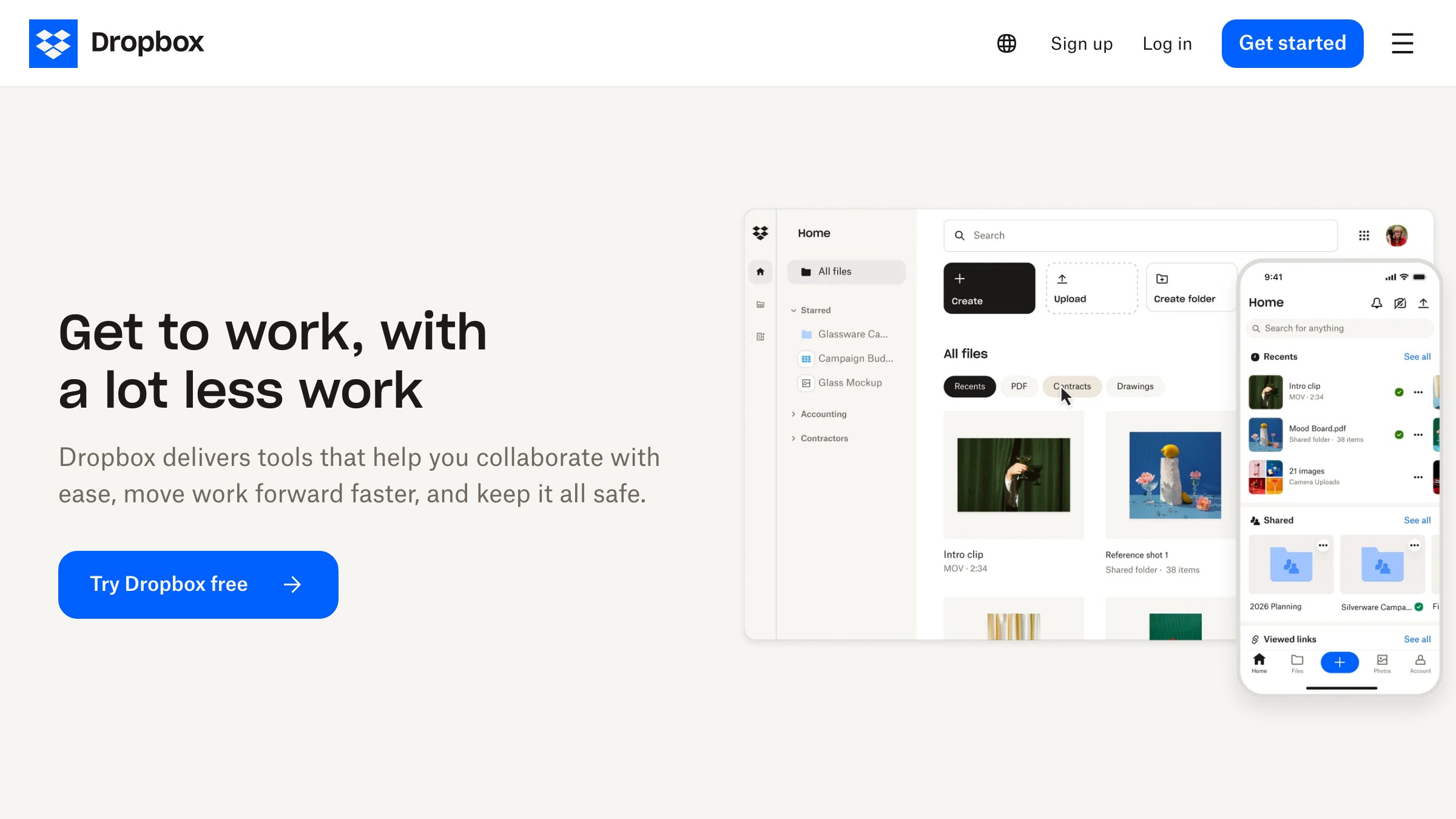
Dropbox's 2017 rebrand, developed with Collins, moved from a simple dropbox metaphor to a vivid, expressive multi-color identity built around creativity and collaboration. Mailchimp's 2018 rebrand introduced a hand-drawn illustration system and a more human voice. Burger King reversed direction in 2021, moving to a retro-inspired identity built to position the brand against cold fast-food category trends.
These were not tidy-ups. Each one required a decision that the existing brand system was genuinely incompatible with where the business needed to go.
The real difference is scope, not polish
The most common misconception is that a rebrand is just a more dramatic-looking refresh. It is not. A rebrand that changes everything visually but leaves the positioning untouched is just an expensive refresh with better photography. And a refresh that looks bold and confident is still a refresh if the strategy underneath is the same.
Scope is what separates them. The question is not "how different does the new brand look?" The question is "did the strategic foundation change?"

Five signs you only need a refresh
- The brand's core positioning is still accurate and still resonates with your target audience
- The visual system looks dated but is not causing confusion about what you do or who you serve
- Recognition and brand equity are strong but the execution feels stuck in a different era
- You are entering new channels or formats (video, motion, digital-first) and the current identity does not hold up technically
- Internal teams are working around the brand guidelines because they are impractical, not because the brand direction is wrong
A refresh is the right call when equity exists and the job is to make it work harder. The goal is not to start over. It is to honor what is already there and make it sharper.
Five signs you need a full rebrand
- The brand's positioning has materially shifted because the business model changed, the audience changed, or the competitive set changed
- The name or visual system is actively creating confusion or limiting where the business can go
- The brand carries reputation damage that the current identity cannot separate from
- A merger or acquisition means two brand identities need to resolve into one coherent system
- Research shows that the audience you need to reach does not recognize the brand as relevant to them, not just dated, but wrong
Dunkin' Donuts dropping "Donuts" from the name in 2019 was a signal that the business was no longer primarily a donut company and that the name itself was limiting. Twitter's 2023 rebranding to X was a decision about what the platform was meant to become, whatever one thinks of the execution. Jaguar's 2024 rebrand was a deliberate effort to escape the heritage associations that were boxing the brand out of the EV market.
All three are cases where the strategy demanded change that a surface-level refresh could not deliver.
The cost and risk of each
This is the section worth taking into a meeting.
| Brand Refresh | Full Rebrand | |
|---|---|---|
| Typical cost range | $15K to $80K | $80K to $500K+ |
| Timeline | 6 to 14 weeks | 4 to 12 months |
| Risk to existing equity | Low | High |
| Risk of not going far enough | Low | Low |
| Risk of solving the wrong problem | Low | High |
| Internal alignment required | Moderate | Extensive |
| Rollout complexity | Manageable | Significant |
Cost ranges vary widely by agency caliber, category complexity, and whether naming work is included. But the gap between refresh and rebrand is consistently large. A refresh keeps most of your existing equity, moves faster, and carries a fraction of the risk. A rebrand bets that the equity built into the current brand is either insufficient or working against you.
The expensive mistake runs in both directions. A brand that refreshes when it should have rebranded saves money in the short term and loses ground in the market. A brand that rebrands when it should have refreshed spends heavily and throws away recognition people already paid attention to.
A decision framework you can run today
Before you brief any agency, answer these five questions honestly:
- Has our strategic positioning changed, or does it still accurately describe what we do and who we serve?
- Is the brand limiting where we can go, or just looking a bit tired?
- Do we have meaningful brand equity in the current mark, or is recognition weak enough that starting over costs us little?
- Is the problem we are trying to solve actually a brand problem, or is it a product, sales, or distribution problem?
- What is the actual evidence that a brand change will move the metric we care about?
If the positioning is still right and recognition is real, you have a refresh. If the positioning has shifted or the current identity is actively limiting the business, you have a rebrand case. If the evidence for either is thin, you have a different problem that brand work will not solve.
The framework is not complicated. The discipline is in being honest about the answers. Rebranding is a large investment with genuine disruption risk. The reflex to rebrand when growth stalls or competition intensifies is understandable and usually wrong.
Brainy runs refreshes and full rebrands for brands that want the call made right. See how we work with brands.

What a refresh looks like in practice
Google's 2015 wordmark change is a clean example. The company moved from a serif typeface to a custom sans-serif called Product Sans, while the colors, the name, and the position as a friendly, accessible search engine all stayed. What changed was that the mark needed to work at small sizes on mobile and across a growing product family, and the old typeface did not.
The change was visually significant but the scope was narrow. Google did not rethink what Google is. They made the existing brand work better in new contexts, which is the definition of a refresh.
Burberry in 2023 is another clean case. The brand had dropped its heritage serif and equestrian knight logo during the Peter Saville era, then returned to the archive in 2023 under new creative leadership.
No new positioning, no new name. Just a return to marks that communicated the brand's actual heritage more accurately than the direction before them.
These are not small changes from a craft perspective. Both required serious design work. Both stayed well within refresh scope.
What a rebrand looks like in practice
Airbnb in 2014 is the standard case study for a reason. The company had grown from an air mattress rental service into a global hospitality platform, and the original visual identity did not carry the weight of that shift.
The Belo mark and the "belong anywhere" platform that DesignStudio built were not just a new logo. They were the external expression of a fundamentally different positioning, one about community and belonging rather than cheap lodging.
Mailchimp's 2018 rebrand, developed with Collins, moved the brand from a serviceable email marketing tool into something with a distinct personality. The hand-drawn illustrations, the yellow, the irreverent copywriting: all of it signaled that this was a company with a point of view, not just a software utility. It supported the repositioning toward small businesses and creators who wanted a brand to root for.
Burger King in 2021, working with Jones Knowles Ritchie, reversed into a retro visual system that deliberately called back to the brand's 1969-1994 era. The move was strategic: differentiate from a category moving toward cold, digital-first aesthetics by leaning hard into warmth, craft, and real food associations. The visual change was large. The strategic rationale behind it was larger.
For a detailed look at building the new identity once the strategic direction is set, that piece covers the construction work.
The most expensive mistake: rebranding the wrong problem
The most reliable way to waste a rebrand budget is to use it on a problem that is not a brand problem.
Declining sales are usually a product problem, a pricing problem, a distribution problem, or a category problem. A new logo does not fix any of those. Neither does a new color palette, a new tagline, or a new typeface family. If customers are not buying, the brand is rarely the reason.
The signal that you are rebranding the wrong problem is when the brief contains phrases like "we need to look more premium" without any evidence that the audience perceives the current brand as not premium, or "we need to stand out more" without any understanding of why the brand is not standing out now.
Jaguar's 2024 rebrand is worth examining here not as a failure but as a high-stakes bet with genuine strategic logic and genuine execution risk. The brief was to escape the associations of a heritage British car brand in a market moving toward EVs, where Jaguar's customer base was aging and the brand carried little resonance with younger buyers.
The decision to make a dramatic visual break rather than a gradual evolution was deliberate. Whether the execution lands is a separate question from whether the underlying strategic diagnosis was sound, and it was.
The problem brands run into is when the diagnosis is wrong. A brand that is struggling because its product is not good does not need a rebrand. It needs a better product.
How to run the change without losing recognition
Whether you are refreshing or rebranding, recognition management is the discipline most teams underestimate.
For a refresh, the risk is low but real. The job is to keep what people already recognize and make it work better. That means evolving incrementally on the elements that carry the most equity (usually the logo shape and primary color) and being bolder on elements that carry less (usually typography and photography style). Never change everything at once.
For a rebrand, the recognition risk is much higher. The mitigations:
- Run the old and new brand in parallel through a structured transition period rather than a hard cutover
- Retain at least one strong visual cue from the previous identity during the transition, even if it eventually disappears
- Prioritize internal alignment before the external launch, because employees who do not understand the new brand will immediately undermine it in customer conversations
- Publish the rationale. Audiences are more tolerant of dramatic change when they understand why the brand changed.
For the craft side of the logo side of the work, and for teams that need to refresh the voice too alongside the visual work, both of those pieces go deeper on the execution.
The rollout is not a marketing exercise. It is a change management exercise that happens to involve marketing.

FAQ
How much does a brand refresh cost?
Most brand refreshes from a mid-tier agency run $15,000 to $80,000 depending on deliverable scope. Enterprise refreshes with extensive guidelines and rollout support run higher. Freelancers can work for less; the tradeoff is capacity and process rigor.
How much does a full rebrand cost?
Full rebrands with naming, positioning, identity, and guidelines typically run $80,000 to $500,000 at a professional agency, and global rollouts cost more. The quoted number rarely includes rollout costs, which can equal or exceed the design fee.
What is the difference between a brand refresh and a brand redesign?
A brand redesign usually refers to a visual overhaul without strategic repositioning. It sits closer to a refresh than a full rebrand. The terminology is not standardized across the industry, so always clarify scope rather than relying on the label.
Can a brand refresh hurt recognition?
Yes, if it changes the wrong elements. Changing the logo shape or primary color when those elements carry high recognition is the most common mistake. A good refresh identifies what people already recognize and protects it while modernizing what is holding the brand back visually.
How long does a brand refresh take?
A well-run refresh typically takes 6 to 14 weeks from brief to final guidelines. The timeline extends when internal review cycles are long or when the scope creeps toward rebrand territory mid-project.
When is rebranding a bad idea?
Rebranding is a bad idea when the business problem is not a brand perception problem, when the current brand carries significant recognition equity that would be expensive to rebuild, or when the organization does not have the internal alignment to support a consistent rollout.
Do you need a new logo to rebrand?
Not always, but usually. A rebrand that leaves the logo completely unchanged is possible if the name and mark have strong equity and the strategic shift can be communicated entirely through positioning, voice, and supporting visual system changes. It is rare. Most rebrands require at minimum significant logo evolution.
Decide the scope, then commit

The decision between a refresh and a rebrand is not about ambition or budget. It is about an honest read of whether the brand's strategic foundation is still right.
If the positioning is right and the visual system is the only thing holding the brand back, refresh it. Protect the equity that already exists, make the system work harder, and spend the budget on execution quality instead of strategic reinvention.
If the positioning has shifted, or if the current identity is actively limiting where the business can go, rebrand it. Do the strategic work first. Build the visual system from the new premise. Manage the transition with the same rigor you would bring to any major organizational change.
The brands that waste money are the ones that skip the diagnosis. They refresh when the strategy is broken and wonder why the new logo did not move the numbers. Or they commission a full rebrand on a brand that just needed its typography updated, and they spend twelve months and a significant budget throwing away recognition they already had.
Name the problem accurately. Match the scope to the problem. Then execute without hedging.
For more brand identity writing on the strategy and craft behind decisions like this one, the full library is there.
Brainy runs refreshes and full rebrands for brands that want the call made right. See how we work with brands.
Get StartedGet new papers by email
New Brainy papers in your inbox. Confirm once, unsubscribe anytime.