
Productized Design Services: एक Solo Designer की 2026 Playbook
Productized design services क्या होती हैं, इस model को साबित करने वाले असली businesses (Designjoy, Design Pickle, Superside), design subscription को कैसे scope और price करें, और यह model कब गलत साबित होता है।
Productized Design Services: एक Solo Designer की 2026 Playbook
Hourly billing आपकी income को उतने घंटों पर cap कर देती है जितने आप जागकर काम कर सकते हैं। एक product नहीं करता।
productized design services का पूरा तर्क एक वाक्य में यही है। नीचे सब कुछ इसे असल में बनाने की mechanics है।
Productized design service असल में है क्या
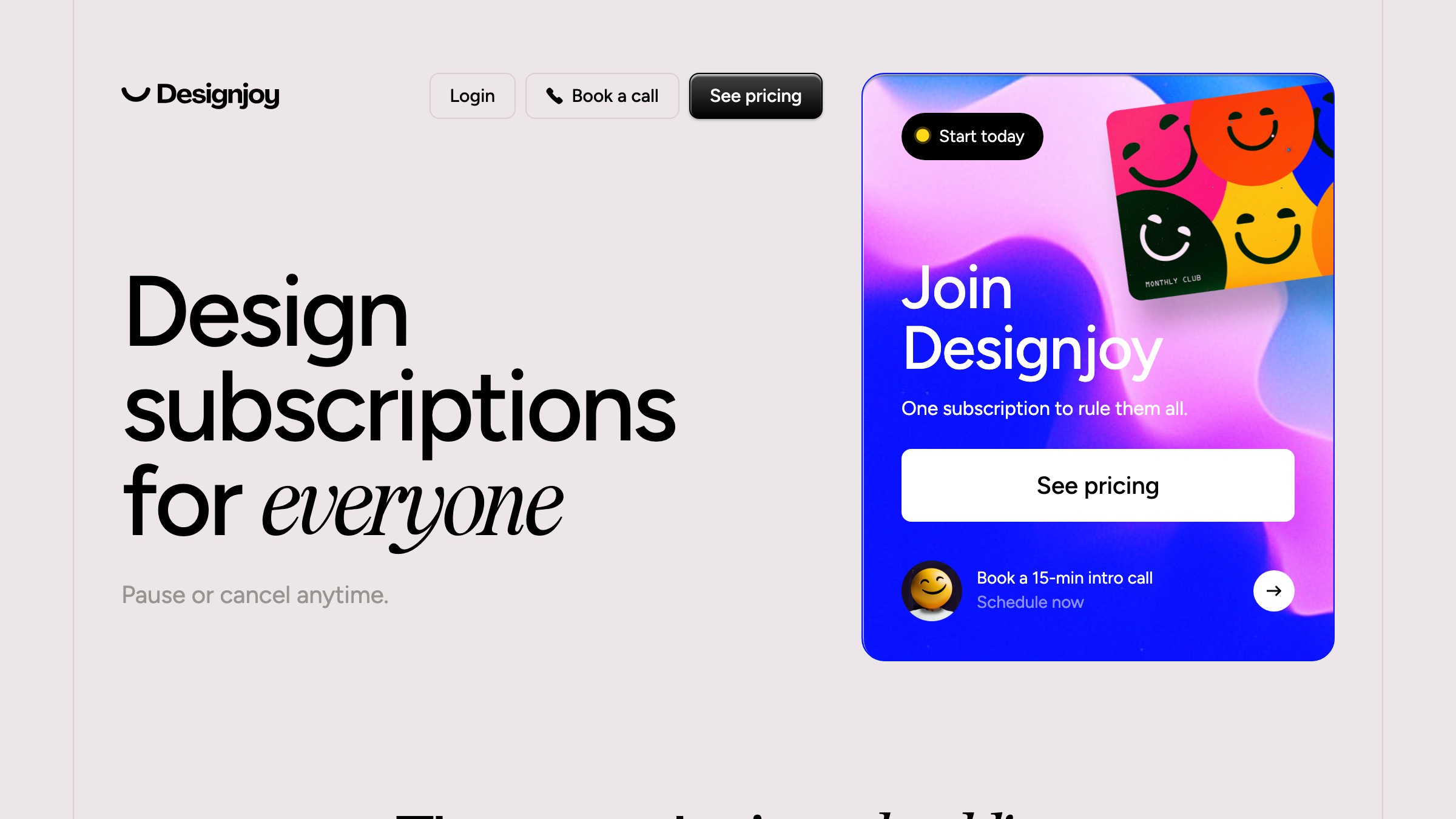
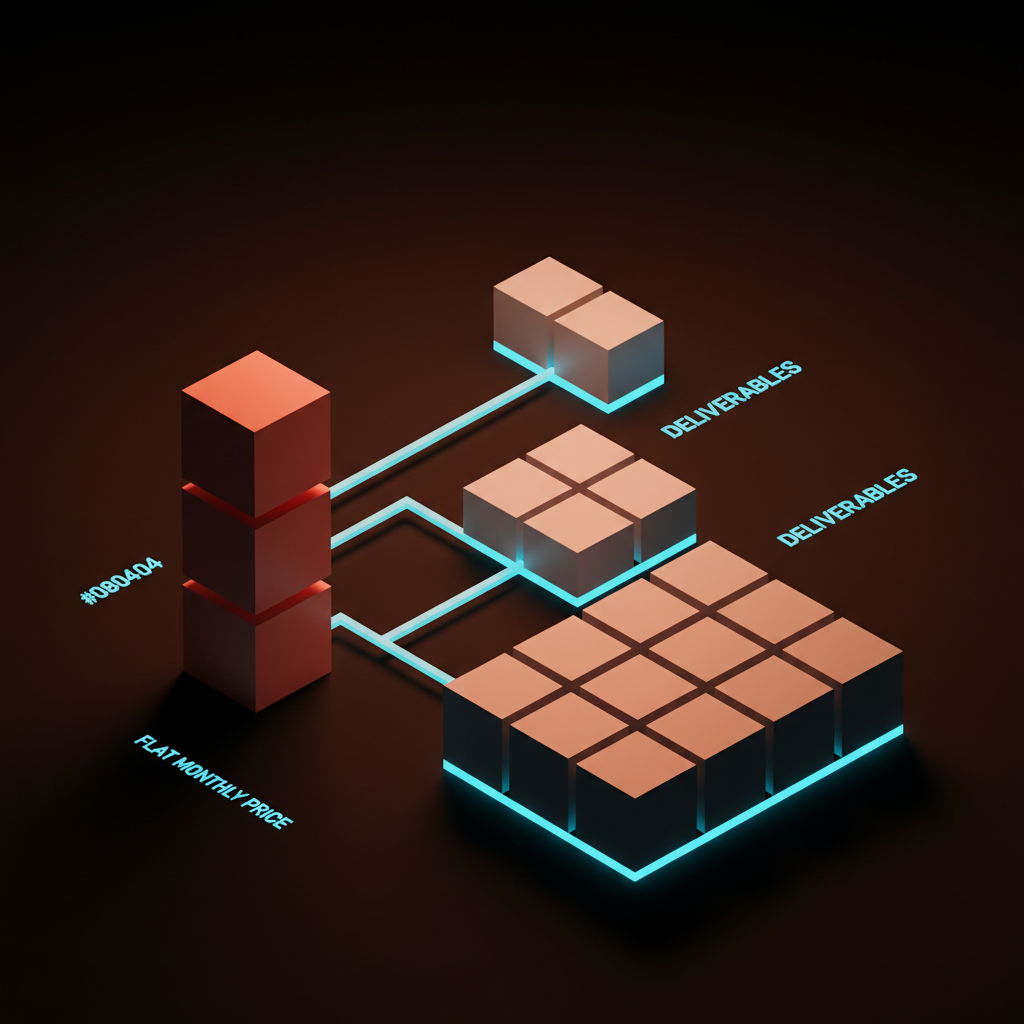
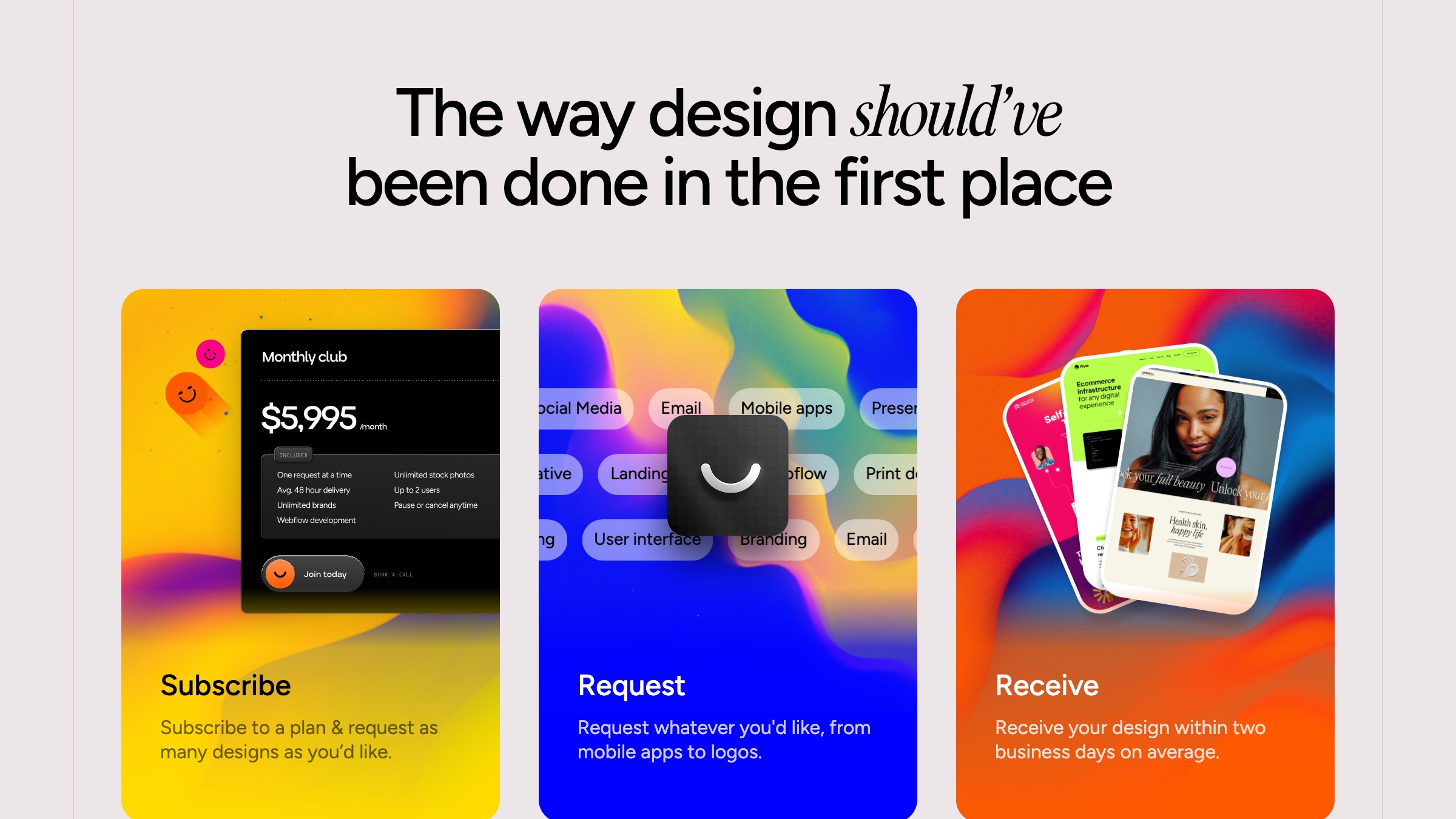
एक productized design service एक subscription है जिसमें client एक fixed monthly fee चुकाता है और designer एक defined scope का काम एक defined turnaround पर deliver करता है। Scope fixed है, price fixed है, और client requests submit करता है जिन्हें designer एक queue में process करता है। कोई custom proposals नहीं, कोई scope negotiations नहीं, कोई "बस एक छोटा बदलाव" billing debate नहीं। Designjoy, सबसे मशहूर example, यही shape $4,995 प्रति माह पर एक समय में एक active request के साथ चलाता है।
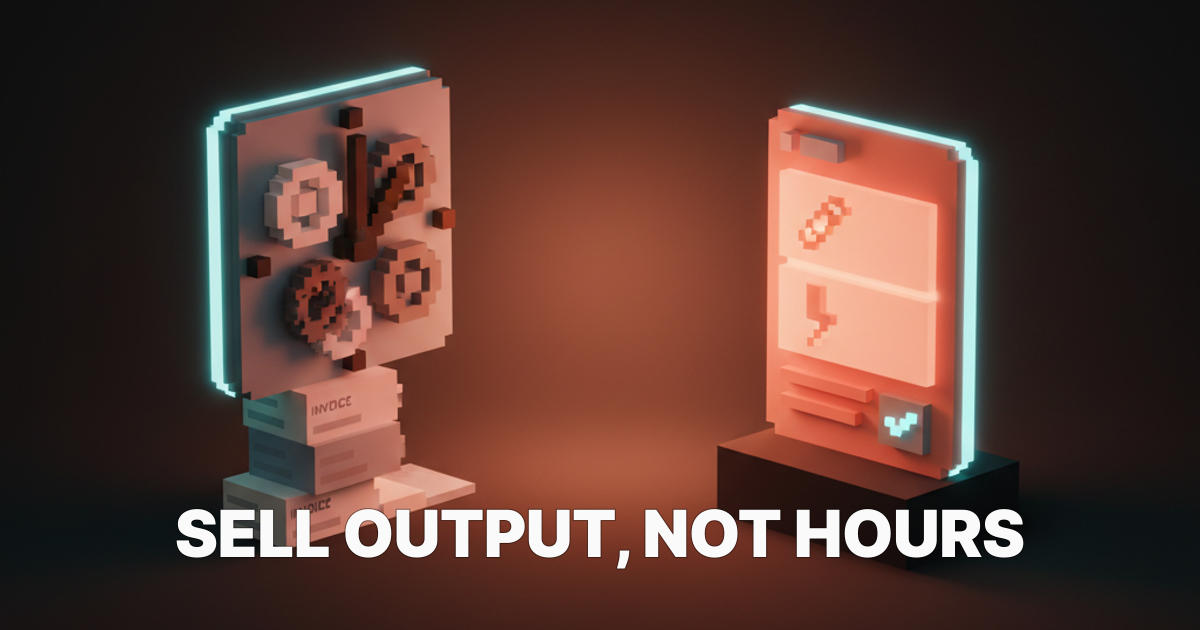
यह एक retainer से fundamentally अलग है। Retainer hours बेचता है। Productized service output बेचती है। यह semantic लगता है जब तक आप इसे price न करें, क्योंकि retainer की ceiling आपकी hourly rate गुणा बेचे गए hours है, जबकि subscription product की ceiling यह है कि queue टूटने से पहले आप कितने clients serve कर सकते हैं।
यह model हावी क्यों हुआ
यह बदलाव 2020 के आसपास शुरू हुआ और 2022 से 2024 के बीच तीन कारणों से तेजी से बढ़ा:
- Async tools mature हुए, इसलिए clients को परवाह नहीं रही कि उनका designer मंगलवार दोपहर को free है या नहीं।
- AI ने repeatable काम पर प्रति task का समय कम कर दिया, जिससे एक व्यक्ति उतना volume handle कर सका जिसके लिए पहले एक छोटी team चाहिए थी।
- Subscription psychology जड़ पकड़ गई, जहां $5,000 के project invoice पर हिचकिचाने वाले clients $3,000 प्रति माह का plan बिना सोचे sign करते हैं।
तीसरा कारण सबसे कम समझा गया है। Subscriptions software spending जैसी लगती हैं, service spending जैसी नहीं। Finance departments के पास इसके लिए एक budget line होती है। Project budgets में नहीं होती।
तीन असली businesses जिन्हें पढ़ना जरूरी है
ये तीनों अलग-अलग sizes पर एक ही business नहीं हैं। इन्होंने अलग दांव लगाए।
designpickle.com पर live देखें
| Business | Scale | Model detail | यह क्या साबित करता है |
|---|---|---|---|
| Designjoy (Brett Williams) | Solo | एक व्यक्ति, $4,995-$7,995/month, प्रति client एक समय में एक active request, 1-2 day turnaround, कभी भी pause या cancel | इस model से एक अकेला designer बिना किसी employee के $1M+ ARR generate कर सकता है |
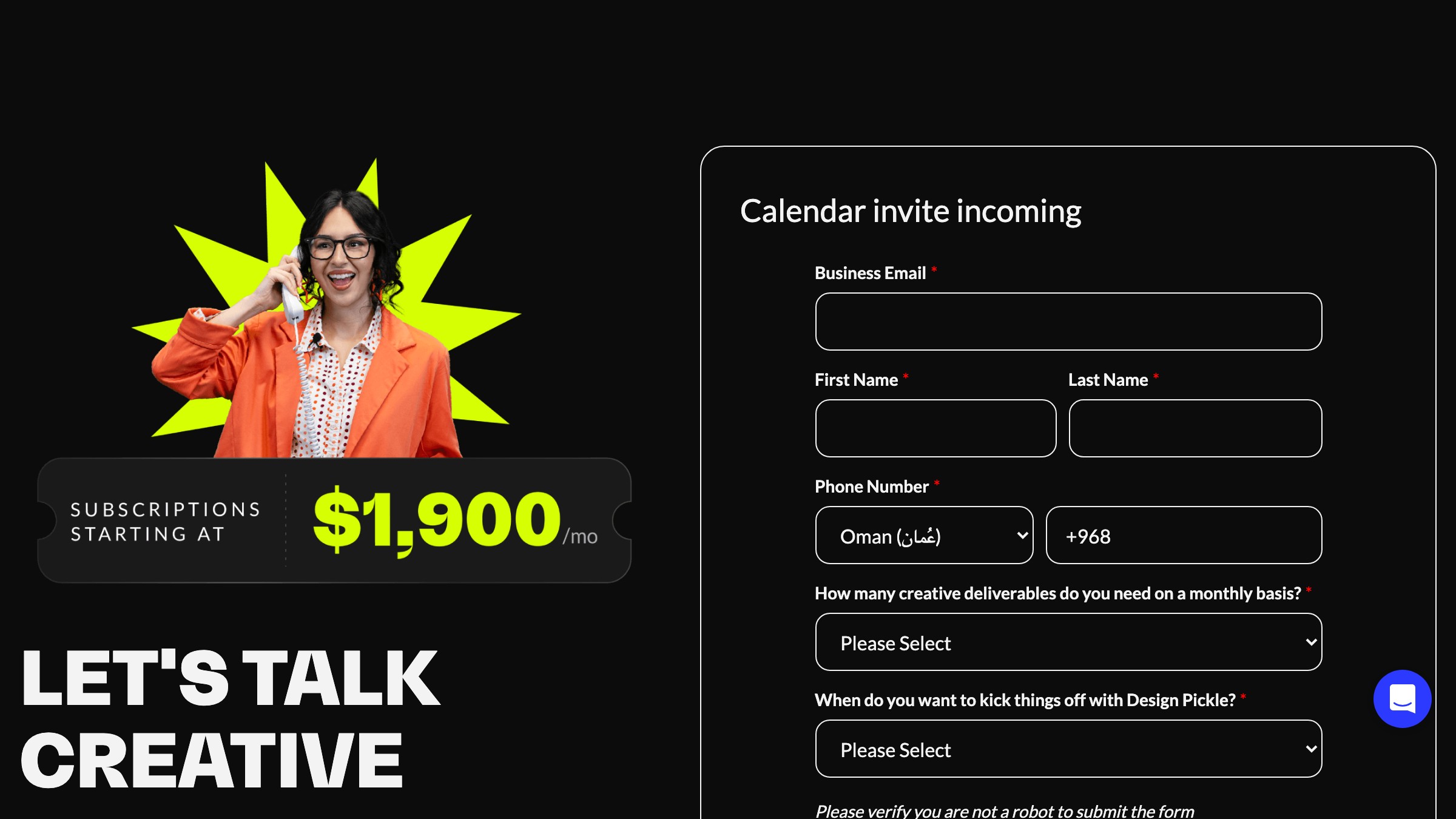
| Design Pickle | Agency (100+ team) | ~$499-$1,695/month के tiered subscriptions, प्रति client dedicated designers, graphics से video motion तक | यह model headcount के साथ scale होता है; हर tier essentially defined output के साथ एक seat है |
| Superside | Enterprise | Custom pricing, client orgs में embedded always-on creative teams, Series B+ companies को target करना | जब scope, team size और SLA product हों तो वही subscription logic enterprise end पर भी काम करता है |
अगर आप एक solo designer हैं तो Designjoy को सबसे ध्यान से पढ़ें। Brett Williams ने इसे बिना किसी employee के एक अकेले operation के रूप में reported $1M+ ARR तक बनाया। Product unlimited design नहीं है, यह term scope chaos पैदा करती है। यह एक समय में एक request है, तेजी से deliver की गई, एक clear queue के साथ, और यह constraint ही product है।
Design Pickle ने category का नाम दिया, "unlimited design" को flat rate पर बेचने वाले पहले लोगों में से एक। उनके current tiers उस शुरुआती unlimited framing की तुलना में scope को कहीं बेहतर define करते हैं, एक सबक जो मुश्किल तरीके से सीखा गया।
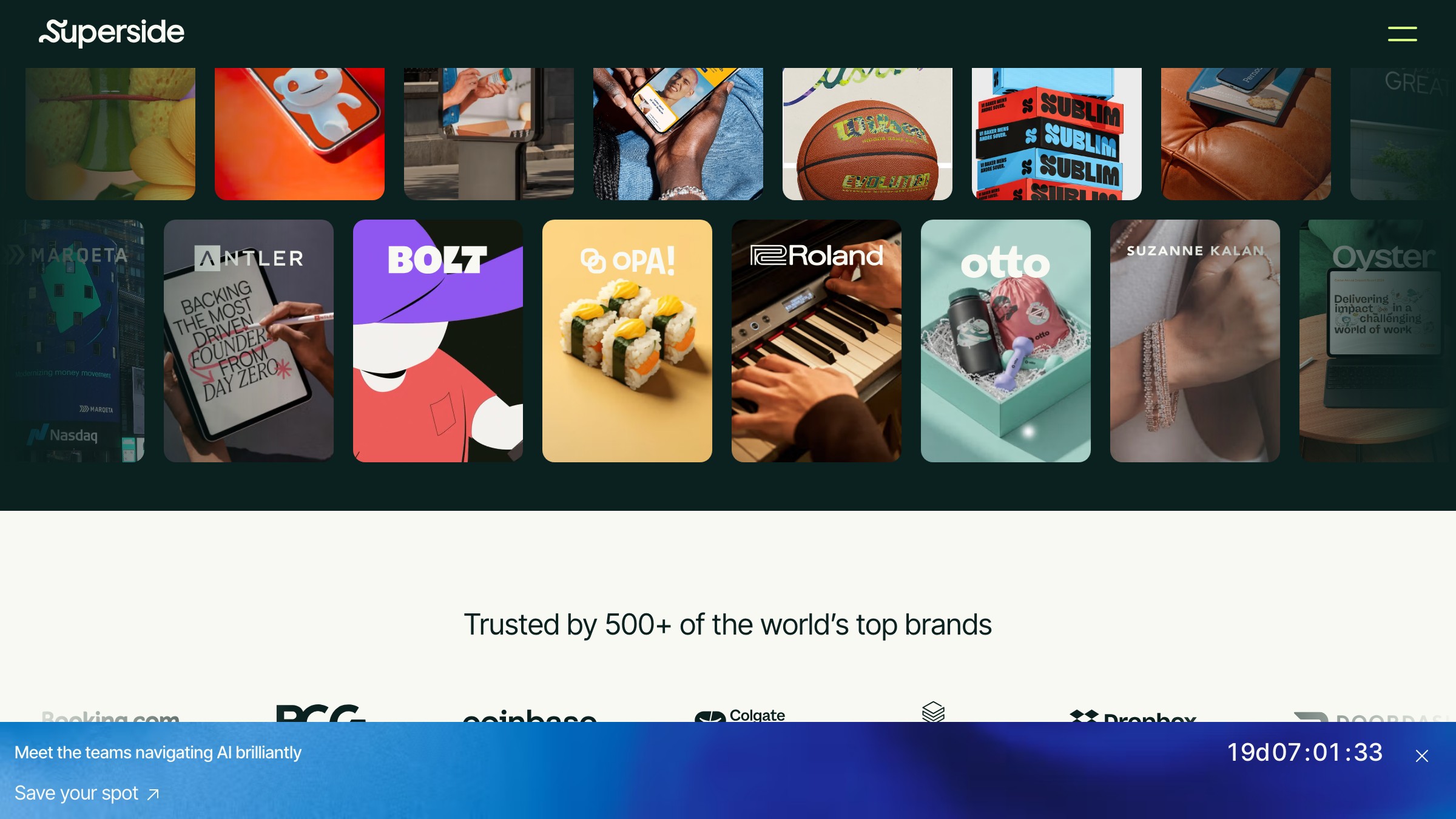
Superside दिखाता है कि यह logic up-market भी काम करती है। Enterprise end पर, subscription project management और brand governance के साथ creatives का एक pod है। वही model, बड़ा scope।
Design के business के बारे में अधिक जानकारी के लिए, Brainy Papers library देखें।
ऐसा offer कैसे scope करें जो आपको तोड़े नहीं
ज्यादातर designers जो productize करते हैं वे इसलिए fail नहीं होते कि उन्होंने गलत price किया बल्कि इसलिए कि उन्होंने गलत scope किया। "Unlimited design" कोई scope नहीं है। यह तब तक काम करने की commitment है जब तक आप टूट न जाएं।
एक workable scope के तीन components होते हैं: कौन से request types शामिल हैं, client एक साथ कितने active requests रखता है, और turnaround क्या है। इन तीन parameters के बाहर सब कुछ एक change order या upsell है, scope problem नहीं।
price set करने से पहले अपना define करने के लिए इस worksheet का उपयोग करें:
| Component | आपका जवाब | Example (solo) |
|---|---|---|
| शामिल request types | specifically list करें | Social graphics, deck slides, brand collateral, landing page sections |
| बाहर रखे गए request types | specifically list करें | Logo design, full brand identity, video, illustration |
| प्रति client active requests | एक number | एक बार में 1 |
| प्रति request turnaround | एक number | 1-2 business days |
| शामिल revision rounds | एक number | जब तक आप खुश न हों (same brief पर) |
| "done" का क्या मतलब है | completion define करें | Brief में specified के अनुसार deliver किया गया |
| Upsell को क्या trigger करता है | specific रहें | 4 घंटे से ज्यादा की requests, new brand identities, print production |
Revision policy वह जगह है जहां ज्यादातर solos bleeding करते हैं। "जब तक आप खुश न हों" तभी काम करता है जब brief tight हो। अपने onboarding में एक brief template जोड़ें और revision loops लगभग कुछ नहीं रह जाती।
Subscription pricing का math
Market rate की बजाय अपनी capacity के हिसाब से price करें। Calculation simple है:
- तय करें कि आप turnarounds miss किए बिना कितने clients serve कर सकते हैं
- अपना target monthly revenue उनमें divide करें
- परिणाम प्रति client आपका floor है
मान लीजिए आप $15,000 प्रति माह चाहते हैं और burn out हुए बिना 5 clients serve कर सकते हैं। यह आपका floor $3,000 प्रति client प्रति माह रखता है। Solo design subscription के लिए market ceiling लगभग $7,500 से $10,000 प्रति माह है, Designjoy $7,995 पर top के पास है। आपका price आपके positioning के आधार पर आपके floor और उस ceiling के बीच कहीं होता है।
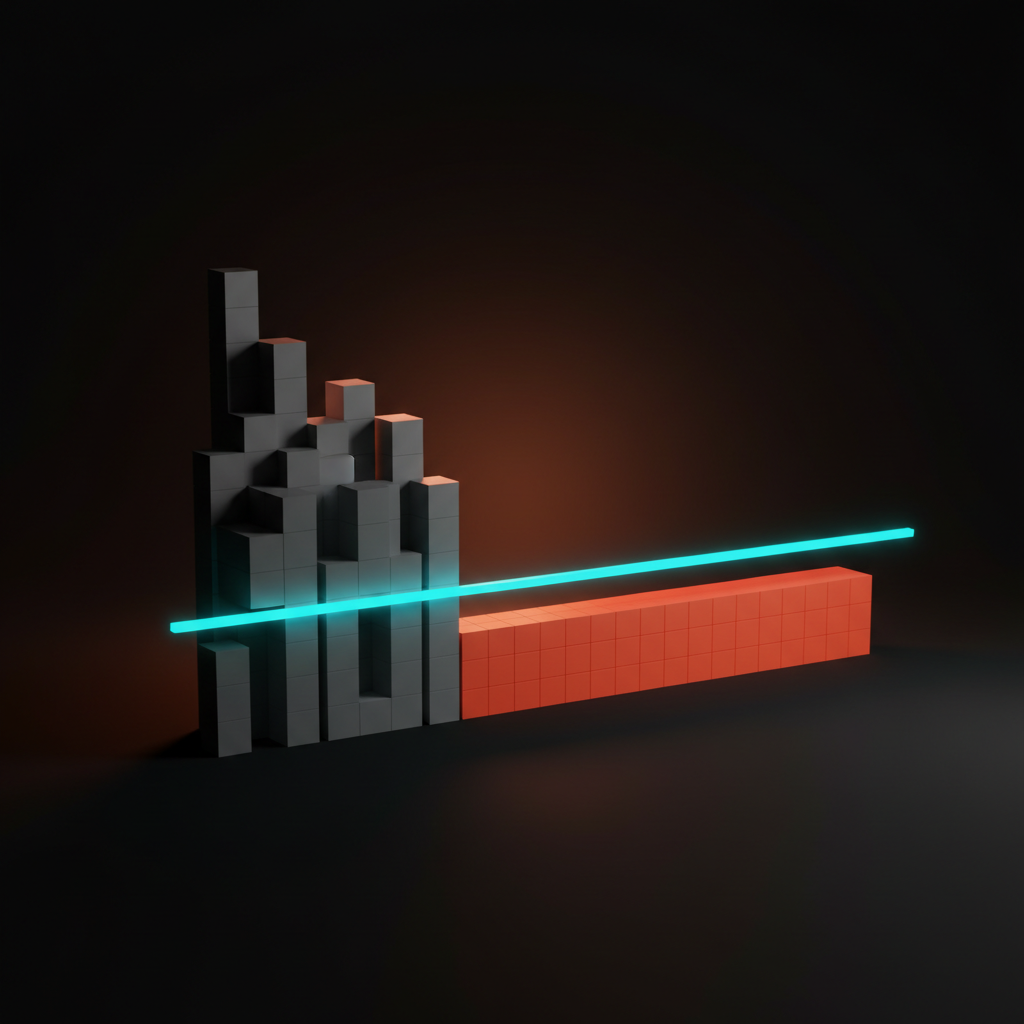
ज्यादातर solos जहां गलती करते हैं: वे पहले market rate पर price करते हैं और फिर clients count करते हैं, जो उन्हें revenue goals hit करने के लिए 8-10 active clients की जरूरत में lock कर देता है। आठ active clients का मतलब है manage करने के लिए आठ queues। यह एक agency है जिसे आप build कर रहे थे बिना जाने।
Solo operation के लिए दो tiers आमतौर पर तीन से बेहतर होते हैं। एक tier full engagement पर, एक tier उन clients के लिए जिन्हें lighter volume चाहिए। दो से ज्यादा tiers एक sales conversation बनाती हैं जो आप नहीं चाहते।
वे systems जो इसे 2026 में चलाते हैं
Systems के बिना productized service सिर्फ एक flat fee वाला chaotic retainer है। Systems ही वह है जो product को तब चलाता है जब आप इसके बारे में नहीं सोच रहे होते। Superside यही operating model enterprise end पर चलाता है, बस queue के पीछे एक बड़ी team के साथ।
Minimal stack जो actually काम करता है:
| System | Tool (2026 options) | यह क्या करता है |
|---|---|---|
| Request intake | Notion form, Linear, या simple Typeform | Clients को request queue में enter होने से पहले properly brief करने पर मजबूर करता है |
| Queue management | Trello, Linear, या Notion board | हर active request में one-look visibility |
| File delivery | Shared Figma workspace या Google Drive | Client हमेशा जानता है कि उनका काम कहां मिलेगा |
| Billing | Stripe या Paddle monthly recurring के साथ | Automated, कोई invoice chasing नहीं |
| Communication | Async review के लिए Loom | Back-and-forth आधी हो जाती है; clients पांच emails लिखने की बजाय 2-minute video देखते हैं |
2026 का unlock repeatable काम पर AI है। Deliverables को formats में resize करना, social cards के लिए copy draft करना, mockup variations spin up करना, और export-ready assets तैयार करना पहले एक designer के execution time का 30 से 40 percent खाता था। Figma AI और Adobe Firefly workflows जैसे current tools के साथ, वह overhead 10 से 15 percent के करीब है। एक व्यक्ति अब एक subscription चला सकता है जिसके लिए 2021 में दो junior designers की जरूरत होती।
यह hype नहीं है। यह arithmetic reason है कि solo model उन price points पर काम करता है जो तीन साल पहले unsustainable थे।
इसके AI side पर गहरी नजर के लिए, AI के साथ one-person studio चलाना toolkit को detail में cover करता है।
Productizing कब गलत call है
Model के real failure modes हैं। उन्हें advance में जानना उन्हें चार clients sign करने के बाद discover करने से सस्ता है।
यह creative range को मार देता है। एक design subscription repeatable काम के लिए self-select करती है। अगर आप महीने दर महीने social graphics produce करते हैं, तो आप social graphics में बहुत fast हो जाते हैं और बाकी सब कुछ करना बंद कर देते हैं। Designers जिन्हें sharp रहने के लिए variety चाहिए, वे model को छह महीने के अंदर suffocating पाएंगे।
Queue आपको डुबो सकती है। High-volume clients जो हर दिन requests submit करते हैं, आपकी queue को उससे तेज भरेंगे जितना आप clear कर सकते हैं। एक strict one-active-request limit और real turnaround commitment के बिना, आप एक backlog और एक client relations problem के साथ end up करते हैं।
हर discipline cleanly productize नहीं होती। Brand strategy, UX research, custom illustration, और complex motion work एक fixed monthly price पर scope करना मुश्किल है बिना under-deliver किए या loss पर काम किए। Model execution-heavy, repeatable creative के लिए सबसे साफ काम करता है: social content, marketing collateral, web design components, presentation design।
Cheap tiers गलत clients attract करते हैं। Sub-$1,000/month subscriptions उन clients को attract करती हैं जो service को unlimited requests के साथ personal art department की तरह treat करते हैं। $3,000+ tier पर price point का friction इस behavior को छांट देता है।
Model पर commit करने से पहले इस table का उपयोग करें:
| Question | अगर हां | अगर नहीं |
|---|---|---|
| क्या आपका ज्यादातर काम repeatable execution है? | Productize करें | घंटे या project के हिसाब से bill करें |
| क्या आप बिना hedging के अपना scope लिखित में define कर सकते हैं? | Productize करें | अभी productize न करें |
| क्या आप creative variety से ज्यादा predictable monthly revenue चाहते हैं? | Productize करें | Project-based काम पर रहें |
| क्या आप cash flow panic के बिना pause/cancel churn handle कर सकते हैं? | Productize करें | पहले cash buffer build करें |
| क्या आप scope के बाहर की requests को no कहने के लिए तैयार हैं? | Productize करें | Hourly ज्यादा honest है |
Models में अपने design काम को price करने के बारे में अधिक जानकारी के लिए, brand work को कैसे price करें देखें।
FAQ
Productized design service एक retainer से कैसे अलग है?
Retainer time बेचता है, productized service output बेचती है। Retainer पर, client hours खरीदता है और तय करता है कि उन्हें कैसे खर्च करना है। Subscription पर, client एक defined scope खरीदता है, और designer control करता है कि उसे deliver करने के लिए hours कैसे खर्च किए जाएं। अंतर यह है कि workload definition किसके पास है।
क्या एक व्यक्ति design subscription solo चला सकता है?
हां, और Designjoy इसका सबसे clear proof है। Constraint client count है, ambition नहीं। ज्यादातर solo operators scope के आधार पर 4 से 8 clients चलाते हैं, और AI tooling ने 2022 से उस ceiling को ऊपर धकेला है।
कौन सा design काम badly productize होता है?
Brand strategy, primary research, complex motion, custom illustration, और कुछ भी जो काम शुरू होने से पहले brief में define नहीं किया जा सकता। इन्हें ऐसे dialogue और iteration की जरूरत होती है जो queue model में fit नहीं होती।
मुझे क्या charge करना चाहिए?
पहले अपनी capacity के हिसाब से price करें (ऊपर math section देखें)। 2026 में एक solo designer के लिए, एक credible subscription के लिए functional range scope, turnaround, और आपकी positioning के आधार पर $2,500-$7,500/month है। $2,500 से कम और economics शायद ही काम करती हैं। $7,500 solo से ऊपर और आप small agencies से compete कर रहे हैं।
क्या मुझे contract चाहिए?
हां। Subscription agreement को scope, turnaround, revision policy, out-of-scope charge को क्या trigger करता है, pause terms, और cancellation notice period define करना चाहिए। इसके बिना, हर edge case एक negotiation बन जाती है।
Hours बेचना बंद करें
Productized model कोई shortcut नहीं है। यह freelancing से एक अलग business है, एक higher ceiling के साथ जो केवल real scope discipline और systems के साथ खुलती है जो capacity पर hold करते हैं।
जो designers इसे pull off करते हैं वे सबसे अच्छे portfolio वाले नहीं हैं। वे वही हैं जिन्होंने अपने काम को एक product की तरह treat किया, define किया कि यह क्या करता है, इसे deliver करने की लागत के हिसाब से price किया, और scope के बाहर सब कुछ को no कहा।
यही पूरी playbook है।
Brainy designers को craft को एक ऐसे business में बदलने में मदद करता है जो ship करे। देखें हम creators के लिए क्या build कर रहे हैं।
Brainy helps designers turn craft into a business that ships. See what we are building for creators.
Get Started