
Prompt Engineering as a Service Is Now a Billable Design Deliverable
Designers are charging prompt engineering as its own line item. Here is what you are actually billing for, the three pricing models, and how to package it so it holds up.
Prompt engineering is now a billable design deliverable. Designers are putting it on the invoice as its own line, the same way they bill a logo system or a component library. That is the shift, and it is real.
The catch is the part nobody wants printed on the invoice: you cannot charge for typing words into a box. You can charge for the system that makes AI output reliable, a tested prompt library, model-selection logic, a review pass that catches the slop before it reaches the client. The difference between those two is the whole article, and getting it wrong is how this work gets underpaid.
What "billable prompt engineering" actually means
Billable prompt engineering is selling a system that makes AI design output reliable, then putting that system on the invoice as its own line. It is not selling the act of typing into Midjourney, Figma AI, or v0 by Vercel.
The distinction is the whole game. Anyone can type a prompt. Almost nobody can produce consistent, on-brand, production-ready results from these tools, every time, across a team. That gap is what a client pays for.
So the deliverable is never "I wrote a prompt." It is a tested set of prompts, a model-selection logic, and a review pass that catches the slop before it reaches the client.
The shift, prompt craft is a deliverable now
Prompt craft stopped being a free skill folded into the project and started showing up as its own scoped item on design invoices. The trigger is mechanical. AI design tools made prompt quality the entire difference between output a client can ship and output they have to throw away.
When the tool does the rendering, the human value moves upstream. It moves to whoever decides what to ask, which model to ask, and whether the result is actually usable. That decision layer is the new craft.
Clients figured out fast that they were already paying for the person who has this skill, itemized or not. Designers simply made it visible. A scoped prompt library, a tested template set, and a review pass on AI work, all priced like any other deliverable.
What you are actually charging for (not the words)
You are charging for everything around the prompt that makes it repeatable. Strip the system away and you are left with a sentence, and sentences are free.
Here is the honest split between what holds up on an invoice and what does not.
| You can bill for | You cannot bill for |
|---|---|
| A tested prompt library mapped to the client's brand | A single prompt you typed once |
| Model selection logic (when to use which tool) | "I used Midjourney" |
| A documented review and QA pass on AI output | Generating an image and forwarding it |
| Templates a non-expert on the team can reuse | Knowledge that lives only in your head |
| Versioning and updates as models change | A one-time lucky result |
The left column is a system. It survives you leaving the room, it scales to a junior, and it produces the same quality on the fortieth asset as the first. The right column is a party trick.

How designers are pricing it (the three models)
Three pricing models have settled out, and picking the wrong one is how this work gets underpaid. Each sells a different thing, so each fits a different client.

| Model | What you sell | Best for | The risk |
|---|---|---|---|
| Hourly | Your time exploring and refining prompts | One-off projects, unclear scope | Caps your value at clock time, invites "why so long to type?" |
| Prompt-library package | A reusable, tested set of prompts and templates as an asset | Brands wanting repeatable in-house output | Underpricing the IP because it looks like "just a doc" |
| Oversight retainer | Ongoing model selection, review, and updates | Teams shipping AI work continuously | Scope creep into general design work |
Hourly is the trap. It anchors the client to time, and prompt work that takes you ten minutes because you are good looks worse than work that takes a beginner two hours. You get punished for being fast.
The prompt-library package is where most designers should be. You build a scoped library, tied to the brand's voice and constraints, hand it over as an asset, and price it like the durable thing it is. It is the closest match to how design IP gets sold already.
The oversight retainer pays best for teams that ship AI output every week. You own the review pass, the model choices, and the updates as Figma AI or v0 change under them. Recurring, defensible, and it scales with their volume instead of your hours.
Clients pay because prompt quality now decides what ships
Clients pay because the tools made prompt quality load-bearing, not optional. The output gap is now visible to the person signing the check.
| Tool | What made prompt quality the deciding factor |
|---|---|
| Midjourney | The same brief, phrased two different ways, gives you a usable hero image or unshippable noise. The brand has no idea which lever moved it. |
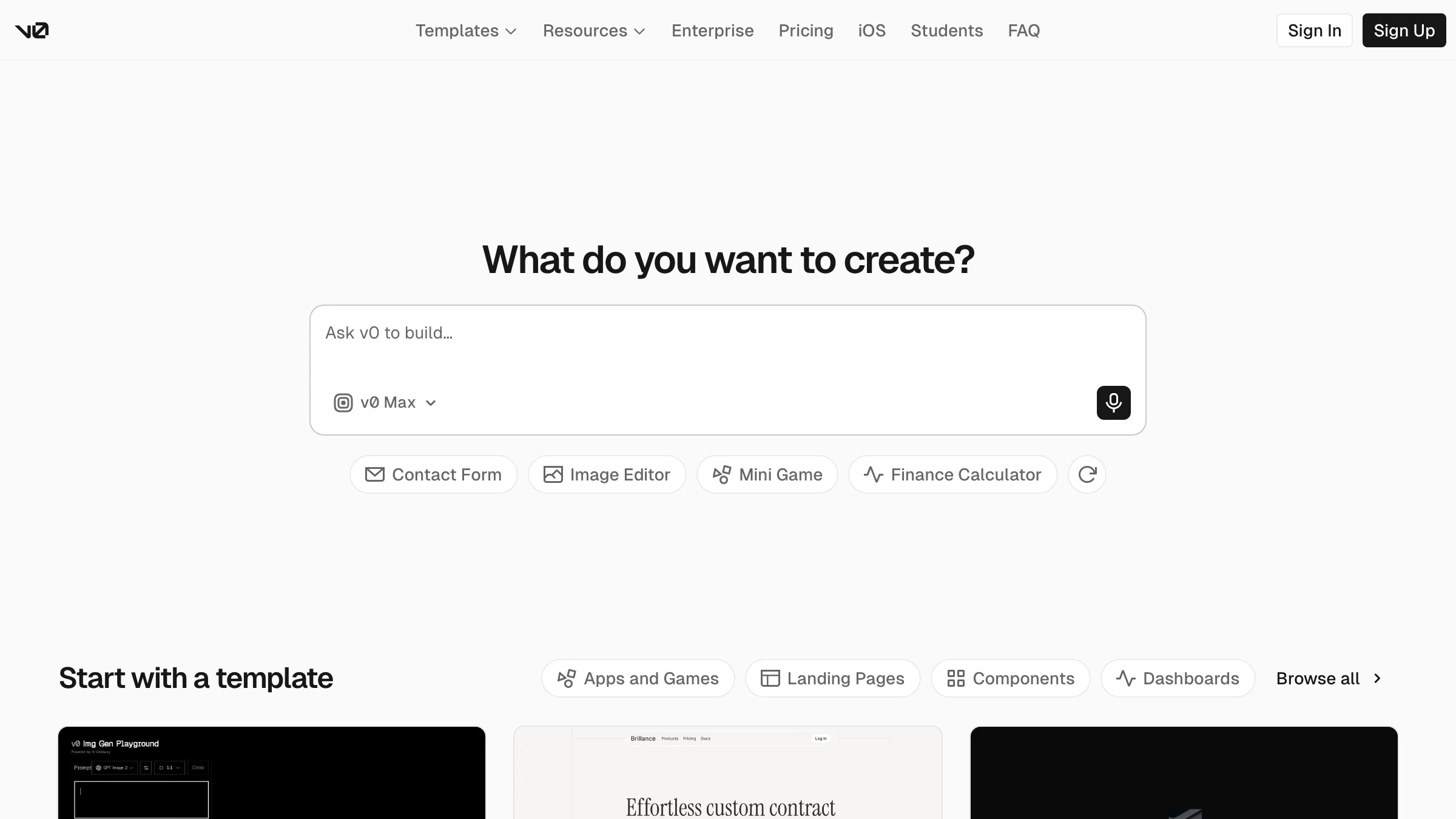
| v0 by Vercel | Turns a prompt into real production UI. When words generate shippable code, the cost of a vague prompt is measured in engineering time. |
| Figma AI | Puts prompt-driven design inside the tool designers already use, so it is native to the workflow rather than a side experiment. |
A brand that wants consistent results across a whole team cannot get there by hoping everyone phrases things well. They need the system, and the system has an author. That author has a rate.
The honest counterpoint (when it is not worth billing)
Most "prompt engineering" services being sold right now are overpriced typing, and pretending otherwise is how the whole category gets a bad name. If you are charging a premium to type a sentence a smart client could type themselves, you are selling a markup, not a skill.
Here is the test. If you cannot hand the client a reusable artifact, a library, a documented process, a QA standard, then there is no deliverable. There is just you, near the box, charging for proximity.
A one-off generation is part of normal design work. Fold it into your rate and move on. The moment you itemize "prompt engineering" without a system behind it, you have invited the client to ask the one question you cannot answer: what exactly am I buying that I could not do myself?
How to package and sell prompt engineering
Package it as an asset with a clear boundary, the same way you would package a logo system or a component library. The framing does the selling.
Start by naming the deliverable in artifact terms. Not "prompt engineering services" but "a brand-tuned prompt library: 25 tested prompts, model-selection guide, and a review checklist your team can run without me." Now it is a thing, not a vibe.
Then build the boundary so the value is obvious.
- Scope to their brand. A generic prompt library is worth little. One tuned to their voice, palette, and taboos is worth real money because it only works for them.
- Document the model logic. Write down when to reach for Midjourney versus v0 versus Figma AI. This is the judgment they are buying, made transferable.
- Ship a QA standard. A short checklist that defines "shippable" for their output. This is what stops the team from sending out the slop and the reason the library holds up after you are gone.
- Version it. Models change monthly. Offer updates as a retainer, and your one-time asset becomes recurring revenue.
- Show the throwaway rate. Demonstrate the before, where most generations get discarded, and the after, where the library produces usable output on the first try. That delta is your entire pitch.
Price the package on the outcome it protects, not the hours it took. A library that lets a three-person team stop wasting half their AI generations is worth far more than the afternoon you spent building it. Sell the saved waste, not the build time.
FAQ
Is prompt engineering really worth charging for as a designer?
Yes, when there is a system behind it. A scoped, tested prompt library tied to a brand is a real asset worth real money. Typing a one-off prompt into Midjourney is not, so bundle that into your normal rate and only itemize the system.
Which pricing model should I start with?
The prompt-library package for most designers. Hourly punishes you for being fast and anchors the client to clock time, while the oversight retainer only pays off once the client ships AI work at steady volume. The package sells a durable asset, which is how design IP gets priced anyway.
How is this different from regular AI design work?
Regular AI design work is using the tools to make one thing. Billable prompt engineering is building the repeatable system, the library, the model-selection logic, the QA pass, so the output stays consistent across a team and over time. You are selling the process, not a single result.
What tools are driving demand for this?
Midjourney, Figma AI, and v0 by Vercel are the clear ones. Each made prompt quality the deciding factor in whether output is shippable, and v0 raised it further by turning prompts into production UI. When the wording decides the result, the person who controls the wording has billable value.
Won't clients just learn to prompt themselves?
Some will, for simple tasks, and that is fine. What does not transfer easily is the system: knowing which model to use, tuning prompts to a brand, and holding a quality bar across a team. That judgment layer is where your billable value lives, not in the raw act of typing.
How do I price a prompt library?
Price it on the outcome, not your build time. Anchor it to the waste it removes, like the AI generations a team currently throws away, and the consistency it guarantees across their output. Then add a versioning retainer, because the models change monthly and your one-time asset becomes recurring revenue.
The takeaway (sell the system, not the sentence)
Prompt engineering became a billable design service the moment AI tools made prompt quality the difference between shippable and discarded. That part is real, and it is not going back.
But the line is hard and worth respecting. You bill for the system that makes output reliable, the library, the model logic, the review pass, the QA standard. You do not bill for typing words into a box, because the client can type too.
Build the artifact that survives you leaving the room, scope it to one brand, and price the waste it eliminates. Do that and prompt engineering is a clean line item. Skip it and you are charging a premium for proximity to a text field, which is exactly the reputation this category does not need.
Want your AI design output to ship every time? Let's build the system.
Get StartedGet new papers by email
New Brainy papers in your inbox. Confirm once, unsubscribe anytime.