The Fractional Designer's Equity Portfolio Is Now a Career Path
Senior designers are taking 5-15% equity across 8-12 startups instead of going full-time. Here is the real math, the deal structures, and how to build your own design equity portfolio.

A senior designer can now own more and earn more by spreading small equity stakes across eight to twelve early startups than by going full-time at one. That is the shift. The catch is that it only works if you run it like a diversified portfolio with honest math, not like a flex.
This is not a hustle-culture pitch. Most of the equity in one of these portfolios is worth exactly zero, and the whole thing survives on one or two winners. But the model is real now in a way it was not two years ago, and the reasons it became real are worth understanding before you decide whether to build your own.
The thread that made designers do the math
The trigger was a thread from designer @andrewk breaking down his actual working model: 5 to 15 percent equity across eleven early-stage companies, a few hours a week on each, and no full-time job anywhere. It pulled roughly 8,400 reposts in a week and more than 200 replies, mostly from other designers comparing notes (per @andrewk's thread).
What made it spread was not the lifestyle. It was that the math finally looked real instead of aspirational. Designers who had quietly assumed equity was a founder-only game started running their own numbers in the replies.
What the equity portfolio actually looks like (the real numbers)
The shape is consistent across the people doing it. You hold small stakes in many companies rather than a big stake in one. In the @andrewk version that meant 5 to 15 percent across eleven companies, with a few hours of real work on each per week.
The work is not advisory hand-waving. It is setting the design bar early, building the first version of the product surface, and keeping the quality from sliding once the founders get busy. You are not a consultant who drops a deck. You are the person who makes the product feel considered on day one and stays close enough to defend that.
The percentages sound large until you remember the stage. Five to fifteen percent of a pre-seed company with no revenue is a number that means nothing yet, and might mean nothing ever. That is the point of holding many of them.
Cash retainer vs equity vs hybrid (how the deals are structured)
Three structures show up, and the difference between them is the difference between paying rent and building net worth. This is the part worth saving.

| Structure | What you get | Upside | Downside | Best when |
|---|---|---|---|---|
| Cash retainer | A fixed monthly fee per company | Predictable, pays bills now, no dependence on an exit | Zero ownership, you stop earning the day you stop working | You need income certainty or the company is too early to value |
| Pure equity | A small percentage of the cap table, usually vesting | Uncapped if one company hits, you own the outcome | Pays nothing today, most of it goes to zero, illiquid for years | You have a cash cushion and high conviction in the founders |
| Hybrid | A smaller cash retainer plus a smaller equity slice | A floor that covers life, plus real ownership upside | Less cash than pure retainer, less equity than pure equity | Almost everyone, almost always |
The hybrid is the honest answer for most designers. A modest retainer across several companies covers your living costs, and the equity layered on top is the lottery ticket you can actually afford to hold because you are not starving while you wait.
Why startups are paying designers in equity now
Two things changed in 2026, and both pushed founders toward this deal.
The first is that AI collapsed the cost of building. When shipping a working product surface takes days instead of months, the bottleneck moves from "can we build it" to "is it any good." Taste became the wedge, because the early products winning attention are the ones that feel considered from the first screen. A designer who can set that bar is suddenly worth a real slice of the cap table, not a one-off Dribbble shot.
The second is supply meeting demand in the open. Marketplaces like Wellfound, formerly AngelList Talent, already list startup roles with equity quoted next to cash, so the idea of being paid partly in ownership is normal infrastructure now, not an exotic arrangement you have to invent from scratch.
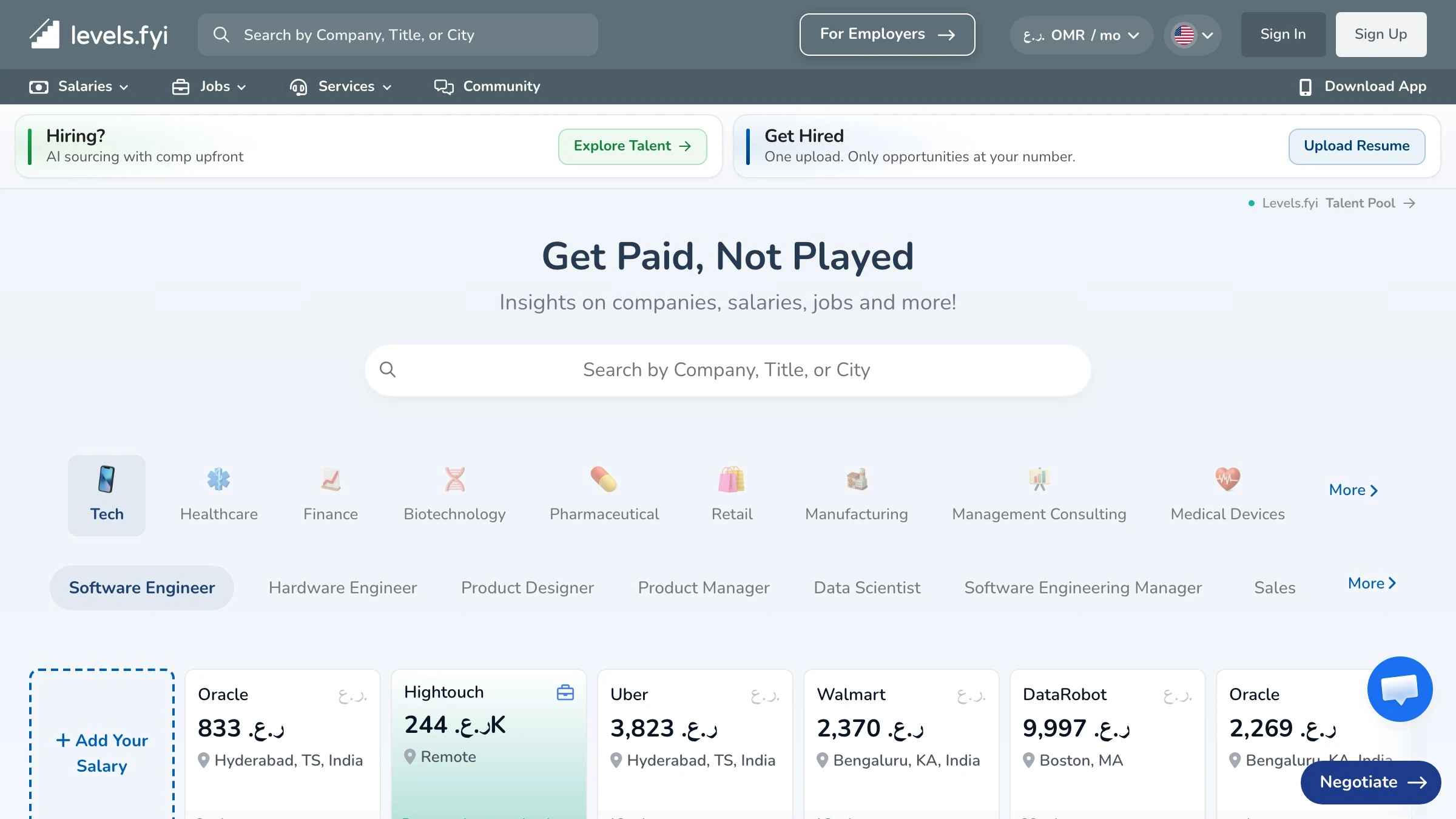
There is comp context underneath this too. Public compensation references like Levels.fyi and the offer threads around them in 2026 show hybrid design-and-build skills pricing at a premium (per Levels.fyi and public 2026 offer threads). A designer who can also move the product forward is no longer slotted as a service vendor. Founders would rather give that person points than try to hire and afford a full-time version of them.
So the deal makes sense from the founder's side. They cannot pay for one great full-time designer, but eight founders can each hand over a few points to share one.
The brutal math (most of it is worth zero)
Here is the part nobody screenshots. In a portfolio of ten early-stage companies, the realistic outcome is that most of them die or flatline and return nothing. Your equity in those is worth zero. Not "low." Zero.

The portfolio does not survive on the average. It survives on the one or two that work, and those have to be big enough to cover all the dead ones and then some. This is venture math applied to your own time, and it has the same shape as a seed fund's returns: a long tail of zeros and a short head of outliers carrying everything.
That is exactly why you need breadth. Two equity bets is not a portfolio, it is two coin flips, and two coin flips will usually leave you with nothing. Eight or more bets is the floor where the model starts behaving like a portfolio instead of a gamble.
| If you hold | Realistic likely outcome | Verdict |
|---|---|---|
| 2 companies, pure equity | Both probably return zero | Gambling, not investing |
| 5 companies, pure equity | One might survive, may not be enough | Underdiversified |
| 8-12 companies, hybrid | Cash floor covers life, one or two winners carry upside | The actual model |
Who this works for, and who should not try it
This works for a specific designer. You are senior enough that your taste actually moves a product, you can build or ship and not just mock up, and you have either savings or a hybrid retainer structure so the zeros do not sink you. You also have to be comfortable holding illiquid bets for years with no exit in sight.
It does not work if you are early in your career and still building the judgment that makes you worth equity. It does not work if you need every dollar this month, because then you are taking equity you cannot afford to wait on. And it does not work if you cannot say no, because the failure mode here is collecting twelve retainers and doing twelve mediocre jobs.
The honest filter is this. If a founder would not give you points to set the bar on their most important surface, you are not ready for the equity version yet. Do the retainer version, get the receipts, and come back.
How to build your own design equity portfolio
Start with a cash floor. Land two or three retainer or hybrid clients that cover your living costs before you take a single pure-equity bet. The floor is what lets you hold the lottery tickets without panic.
Then add equity bets deliberately, not opportunistically. Aim for breadth over time, eight or more, because the math does not work at two or three. Spread them across different markets so you are not betting the whole portfolio on one sector having a good year.
Pick founders, not ideas. At pre-seed the idea will change three times. The thing that does not change is whether the founders are people you would back, so weight your equity stakes toward the teams you actually believe in and keep the rest on cash.
Structure every deal with vesting and a clear scope of hours. Vesting protects you if a company implodes early and protects the founder if you wander off. A defined "a few hours a week" keeps you from quietly turning one equity stake into an unpaid full-time job.
And source openly. Platforms like Wellfound already surface equity-quoted roles, so you do not have to cold-pitch every deal from zero.
FAQ
How much equity does a fractional designer actually get?
In the model that started this conversation, 5 to 15 percent across early-stage companies, with the higher end reserved for the earliest and riskiest stage (per @andrewk's thread). Treat those as directional. The number tracks how early you join and how core your work is, and a higher percentage of a company that fails is still zero.
Is equity better than a cash retainer?
Only if your bills are already covered. Cash pays now and owns nothing; equity owns the outcome and pays nothing today. For most designers the hybrid, a smaller retainer plus a smaller equity slice, is the structure that gives you a floor and an upside at the same time.
How many startups do I need in the portfolio?
Enough that one or two winners can carry all the zeros, which in practice means eight or more. Two or three equity bets is not diversification, it is a couple of coin flips that will usually land on nothing.
Why are startups suddenly paying designers in equity?
Because AI made building cheap, so taste became the scarce thing, and founders who cannot afford a full-time designer can each give a few points to share one. Marketplaces like Wellfound already normalize equity-quoted roles, and comp references like Levels.fyi show hybrid design-and-build skills pricing at a premium (per Levels.fyi and public 2026 offer threads).
What is the biggest risk?
That most of the equity is worth nothing and you spread yourself too thin to do good work on the bets that could have mattered. The model fails when you collect stakes you cannot service or hold pure equity you cannot afford to wait on.
The takeaway (own the bet, do not just rent your hours)
The shift is genuine. A senior designer who can set and hold the bar is now worth ownership, not just a rate, and spreading that across a portfolio can beat a single full-time salary. That is new, and it is driven by AI collapsing the build and founders learning that taste is the wedge.
But it is a portfolio strategy with real downside, not free money. Most of the equity is zero. The model works because of breadth, a cash floor, and the discipline to pick founders you actually believe in.
Want a designer who sets the bar on day one? Brainy works this way.
Get StartedGet new papers by email
New Brainy papers in your inbox. Confirm once, unsubscribe anytime.