Brand Archetypes: 12 Brand Personalities और अपना Archetype कैसे चुनें
12 brand archetypes क्या हैं, कौन से real brands उन्हें genuinely own करते हैं, और एक four-question framework जो बिना guessing या rival copy किए आपका archetype choose करने में help करे।
Brand Archetypes: 12 Brand Personalities और अपना Archetype कैसे चुनें
Archetype वह personality नहीं है जो आप अपने brand को देते हैं। यह वह एकमात्र promise है जिससे बाकी सब कुछ सहमत होना पड़ता है।
यह अंतर इसलिए मायने रखता है क्योंकि ज़्यादातर brand archetype articles इसे एक quiz की तरह treat करते हैं। आप आठ सवालों के जवाब देते हैं, एक label मिलता है, आप "The Hero" को अपने brand guidelines में paste करते हैं, और कुछ नहीं बदलता।
Archetype का असली उपयोग labeling नहीं है। यह वह एकमात्र चीज़ तय करना है जो आपका brand किसी व्यक्ति से promise करता है, फिर उस फैसले को voice, color, type, copy, और packaging में हर downstream choice पर चलाना है।
अगर आप कभी भी अपने brand materials को देखकर यह महसूस नहीं कर पाए कि ये सब एक ही entity के हैं, तो शायद आपको archetype की समस्या नहीं है। आपको commitment की समस्या है, और archetype बस वह tool है जो commitment को ज़बरदस्ती करता है।
Brand Archetype असल में क्या होता है
Archetype एक universal character pattern है जो सामूहिक मानवीय कल्पना में रहता है। Carl Jung ने इन्हें विभिन्न संस्कृतियों के myths, सपनों, और कहानियों में बार-बार आने वाले figures के रूप में documented किया, जिनमें Hero, Trickster, Ruler, और Caregiver शामिल थे।
ये patterns इसलिए resonate करते हैं क्योंकि ये deep human motivations, fears, और desires से map होते हैं जो समय या भूगोल के साथ नहीं बदलते। जब कोई brand एक archetype अपनाता है, तो वह उस resonance को उधार लेता है और audience को बताता है, "हम वह brand हैं जो आपकी ज़िंदगी में यह role निभाता है।"
Promise तब instinctive हो जाती है। Nike को यह explain नहीं करना पड़ता कि वे athletic achievement के लिए खड़े हैं, क्योंकि Hero archetype यह काम चुपचाप, बड़े पैमाने पर, हर बार तब करता है जब उनकी visual language और copy एक साथ land होती है।
Operative word "agreement" है। Archetype तभी काम करता है जब यह हर decision के लिए एक lens हो, न कि एक doc में एक word जिसे साल में एक बार review किया जाता है।
12 Archetypes कहाँ से आए
Margaret Mark और Carol S. Pearson ने Jung के archetypes को अपनी 2001 की किताब The Hero and the Outlaw में brand strategy पर map किया। उनके framework ने बारह characters को उन core human motivations के अनुसार organize किया जिनसे प्रत्येक बात करता है, और वह model ही वह standard बन गया जिसे brand strategists आज भी use करते हैं।
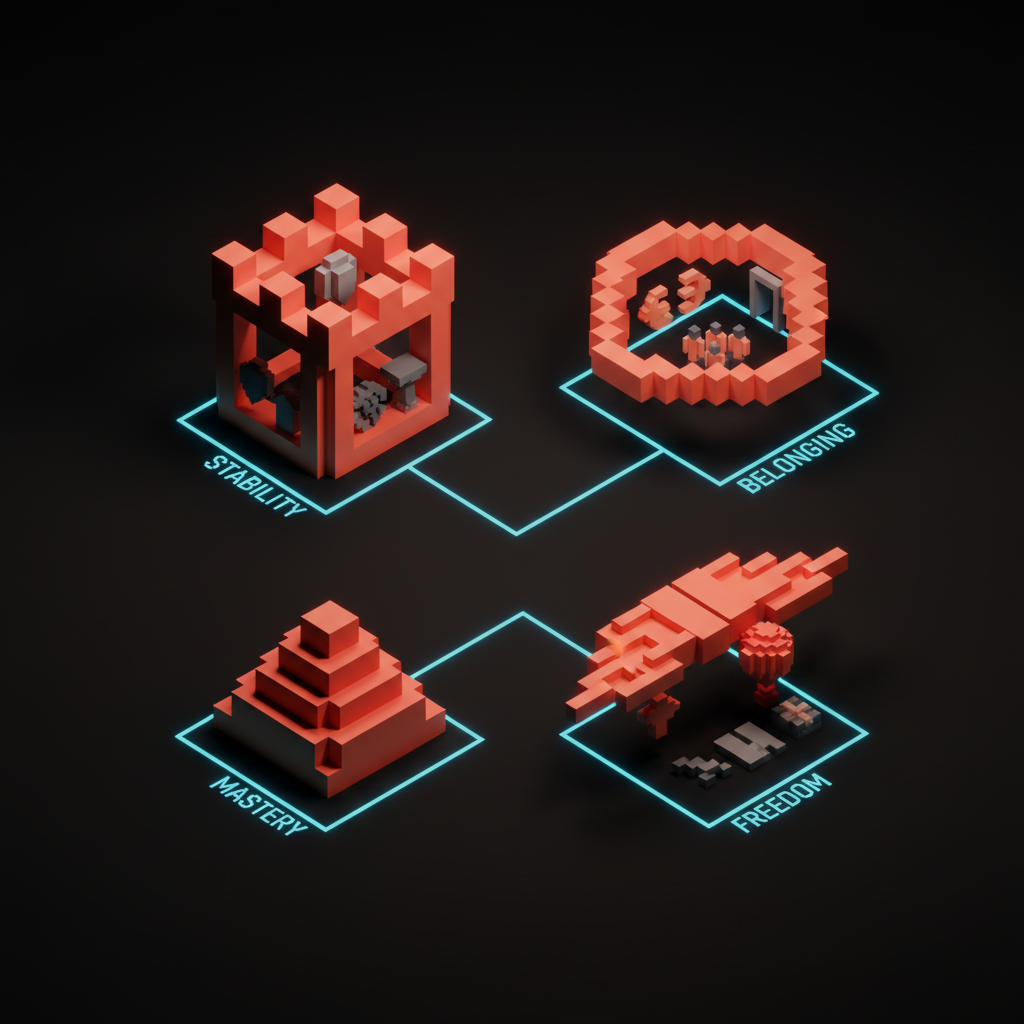
बारह archetypes stability, belonging, mastery, और freedom की चार motivational families में बैठते हैं। Families individual archetypes जितनी ही matter करती हैं, क्योंकि वे आपको बताती हैं कि आपका brand मौलिक रूप से किसके लिए है, इससे पहले कि आप कोई character चुनें।
Family से शुरू करें, label से नहीं। यह जानना कि आपका brand किस motivation की सेवा करता है, field को बारह options से घटाकर तीन कर देता है, जो एक real choice और एक lucky guess के बीच का अंतर है।
12 Brand Archetypes एक नज़र में
यहाँ हर archetype है, उसकी core desire, वह brand जो उसे genuinely own करता है, और वह voice जो वह archetype produce करती है। यह reference table save करने लायक है।
| Archetype | Core Desire | Brand जो इसे Own करता है | Voice जो यह Produce करती है |
|---|---|---|---|
| Hero | Mastery, achievement | Nike | Urgent, active, aspirational. Audience को उठने की challenge देता है। |
| Outlaw | Liberation, disruption | Harley-Davidson / 37signals | Defiant, anti-establishment, provocative. Status quo को explicitly reject करता है। |
| Magician | Transformation | Disney | Visionary, wonder-first. Transformation के outcome को बेचता है, mechanism को नहीं। |
| Ruler | Control, order, prestige | Rolex | Authoritative, precise, exclusive. कभी चिल्लाता नहीं। Command करता है। |
| Sage | Knowledge, truth | Clear, trustworthy, evidence-led. Mystify नहीं करता, demystify करता है। | |
| Creator | Expression, originality | Adobe / LEGO | Invitational, expansive, tool-focused. Audience को बनाने के लिए empower करता है। |
| Caregiver | Service, protection | Volvo | Warm, reassuring, safety-first. Product से पहले व्यक्ति की wellbeing रखता है। |
| Everyman | Belonging, accessibility | IKEA | Unpretentious, honest, inclusive. कभी elite नहीं दिखता। |
| Innocent | Purity, goodness, simplicity | Dove | Gentle, optimistic, clean. जो natural या सच है उसे celebrate करता है। |
| Explorer | Freedom, adventure, discovery | Patagonia | Unfiltered, vast, outdoors-coded. Mundane को reject करता है। |
| Lover | Intimacy, beauty, pleasure | Chanel | Sensory, seductive, refined. Function से ज़्यादा feeling को priority देता है। |
| Jester | Joy, play, irreverence | Duolingo / Old Spice | Unexpected, funny, self-aware. Humor को product feeling के रूप में use करता है। |
बारह archetypes चार motivational families में sort होते हैं। कुछ archetypes एक से ज़्यादा में shade करते हैं, जो normal है और कोई solve करने वाली problem नहीं है।
- Stability: Ruler, Caregiver, Creator, Innocent
- Belonging: Everyman, Lover, Jester, Caregiver
- Mastery: Hero, Sage, Explorer, Creator
- Freedom: Outlaw, Jester, Explorer, Magician
तीन Archetypes जिन्हें लोग गलत Map करते हैं
इनमें से कुछ को एक sentence की defense की ज़रूरत है, क्योंकि conventional mapping अक्सर lazy होती है।
Outlaw सिर्फ "edgy" नहीं है। Harley-Davidson Outlaw earn करता है क्योंकि उनका पूरा product domesticity की rejection है। 37signals इसे earn करता है क्योंकि उनकी company writing software industry के काम करने के तरीके के खिलाफ एक literal manifesto है। न तो कोई defiance को tone-of-voice trick के रूप में use करता है। यह उनकी actual position है, और अगर आपका brand यह नाम देने को तैयार नहीं कि वह किसके खिलाफ है, तो आप यह archetype claim नहीं कर सकते।
Sage का मतलब "हमारा एक blog है" नहीं है। Google इसे earn करता है क्योंकि उनकी पूरी design philosophy जितनी कम friction के साथ हो सके truth surface करने के लिए organized है। Search bar demystify करने के लिए exist करती है, Google को showcase करने के लिए नहीं। ज़्यादातर brands जो खुद को Sage कहते हैं वे actually podcast के साथ Everyman हैं।
Creator हर design tool के लिए नहीं है। Adobe इसे earn करता है क्योंकि उनके products solely user जो बनाता है उसे amplify करने के लिए exist करते हैं, और उनका brand इसे sacred मानता है। LEGO इसे earn करता है क्योंकि पूरा product एक ऐसी चीज़ build करने का invitation है जो पहले exist नहीं करती थी। Creator archetype इस बात की demand करता है कि brand genuinely audience के creative act के सामने खुद को subordinate करे।
अपना Archetype Choose करने का Four-Question Framework
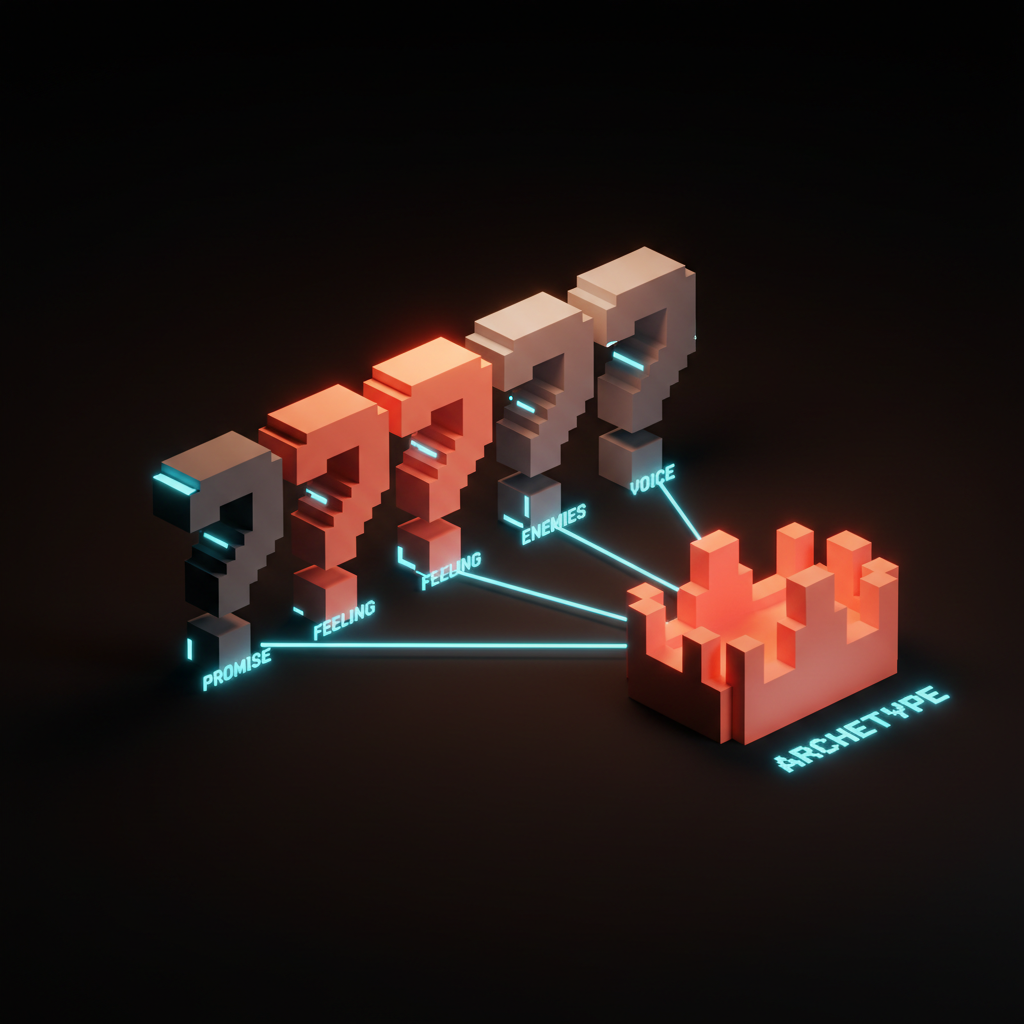
Quiz चलाना बंद करें। इसके बजाय यह चलाएं। चार सवाल, क्रम में, हर एक field को narrow करता है:
- आप किसी व्यक्ति से क्या promise करते हैं?
- आप कौन सी feeling बेचते हैं?
- आपका enemy कौन या क्या है?
- आपको कैसे sound करना चाहिए?
पहले दो pin down करते हैं कि आपका brand किसके लिए है। आखिरी दो pin down करते हैं कि यह किसके खिलाफ है और यह कैसे sounds करता है। यहाँ हर एक है।
आप किसी व्यक्ति से क्या Promise करते हैं?
आपका product क्या करता है यह नहीं। व्यक्ति को आपके brand का use करने के experience से क्या मिलता है। Nike achievement promise करता है, Patagonia wildness तक access promise करता है, और IKEA एक ऐसा घर promise करता है जो बिना drama के काम करता है।
एक sentence लिखें। अगर आप एक sentence नहीं लिख सकते, तो archetype work अभी आपकी help नहीं कर सकती, क्योंकि आपके पास कोई promise नहीं है।
आप कौन सी Feeling बेचते हैं?
Products में features होते हैं। Brands feelings बेचते हैं। Rolex status की certainty बेचता है, Duolingo ऐसा progress बेचता है जो studying जैसा नहीं लगता, और Dove बिना बदले acceptance बेचता है।
Feeling आमतौर पर promise से ज़्यादा honest होती है, क्योंकि लोग आपको feeling वैसे बताएंगे जैसे वे हमेशा promise नहीं बताते।
अपना Enemy खोजें, फिर अपनी Voice
ये सवाल तीन और चार हैं, और यहीं पर ज़्यादातर brands पहली बार specific होते हैं।
आपका Enemy कौन या क्या है?
हर strong archetype एक antagonist imply करता है:
- Nike का enemy है हार मान लेना
- Patagonia का enemy है fast fashion और disposable culture
- 37signals का enemy है corporate software playbook
- IKEA का enemy है unnecessary cost और pretension
अगर आप अपना enemy नहीं बता सकते, तो आपका archetype generic होगा। Enemy कोई competitor नहीं है। यह एक condition, behavior, या system है जिसके खिलाफ push back करने के लिए आपका brand exist करता है।
आपको कैसे Sound करना चाहिए?
कौन से words use करने हैं यह नहीं, बल्कि आपकी voice की quality क्या होनी चाहिए, चाहे वह commanding हो या inviting, funny हो या serious, warm हो या precise। Rolex जैसा Ruler brand Duolingo जैसे Jester brand से बिल्कुल अलग sounds करता है, भले ही दोनों एक ही topic discuss करें।
Test simple है। अपनी existing copy का एक paragraph लें और उसे ज़ोर से पढ़ें। अगर यह ऐसा लगता है जैसे यह किसी भी brand का हो सकता है, तो archetype अभी अपना काम नहीं कर रहा।
सभी चारों answers को side by side चलाएं, और जो archetype सभी चारों से cleanest तरीके से map करता है वही आपका है। अगर आपको conflicting answers मिलती हैं, तो यह symptom है कि brand के पास अभी clear position नहीं है, और archetype work positioning work से secondary है।
Brainy ऐसे brand identities बनाता है जो एक lane चुनते हैं और उसके लिए commit करते हैं। देखें हम brands के साथ कैसे काम करते हैं।
आपका Archetype आपकी Voice कैसे Set करता है
Archetype input है। Voice, color, और type वे outputs हैं जो इससे sequence में follow करते हैं।
Voice directly core desire से आती है। Nike जैसा Hero brand second-person imperatives में लिखता है जो reader को act करने के लिए push करते हैं। Volvo जैसा Caregiver brand उस warmth में लिखता है जो hard part संभालने का promise करती है। Old Spice जैसा Jester brand asides, jokes, और self-aware subversions में लिखता है।
आपको दस pages का voice guide नहीं चाहिए। आपको एक archetype चाहिए और एक honest नज़र चाहिए कि आपकी current copy उससे match करती है या नहीं।
किसी archetype को documented voice और tone में बदलने के पूरे method के लिए, देखें कि हम archetype को voice में कैसे बदलते हैं। एक बार voice set हो जाने पर, बाकी identity work उसी principle को follow करती है, इसलिए उसके चारों तरफ identity build करना helpful है।
Color और Type वहाँ से Follow करते हैं
Color emotional territory से follow करता है, personal preference से नहीं:
- Patagonia जैसे Explorer brands desaturated earth tones की तरफ reach करते हैं जो natural world को scale पर read करते हैं
- Chanel जैसे Lover brands warm jewel tones की तरफ reach करते हैं जो intimate और sensory feel देते हैं
- Ruler brands dark, contained palettes use करते हैं क्योंकि restraint power signal करती है
- Innocent brands light और clean जाते हैं क्योंकि purity उसी तरह reads होती है
ये defaults हैं, rules नहीं। ये archetype के emotional signal को किसी ऐसे व्यक्ति तक carry करते हैं जिसने आपकी copy का एक word भी नहीं पढ़ा है। अगर आप deeper जाना चाहते हैं, तो personality से match करने वाले colors detail में logic work करता है।
Type भी उसी तरह काम करता है। Sage brand लगभग हमेशा geometric sans-serifs की तरफ reach करता है क्योंकि वे rational और neutral read होते हैं। Creator brand को ज़्यादा latitude है, क्योंकि originality signal है, इसलिए एक distinctive type choice खुद on-brand है। Ruler brand classical serifs को tight spacing के साथ lean करता है क्योंकि वे choices बिना effort के authority communicate करते हैं।
Type को archetype चिल्लाने की ज़रूरत नहीं है। इसे उसे contradict नहीं करना चाहिए। Contradiction failure mode है, और personality carry करने वाला type practical decisions cover करता है।
दो Archetypes चुनना आमतौर पर क्यों Backfire करता है
ज़्यादातर brands दो archetypes पर land करते हैं और इसे nuance कहते हैं। यह लगभग कभी nuance नहीं होती। यह design vocabulary के साथ indecision होती है।
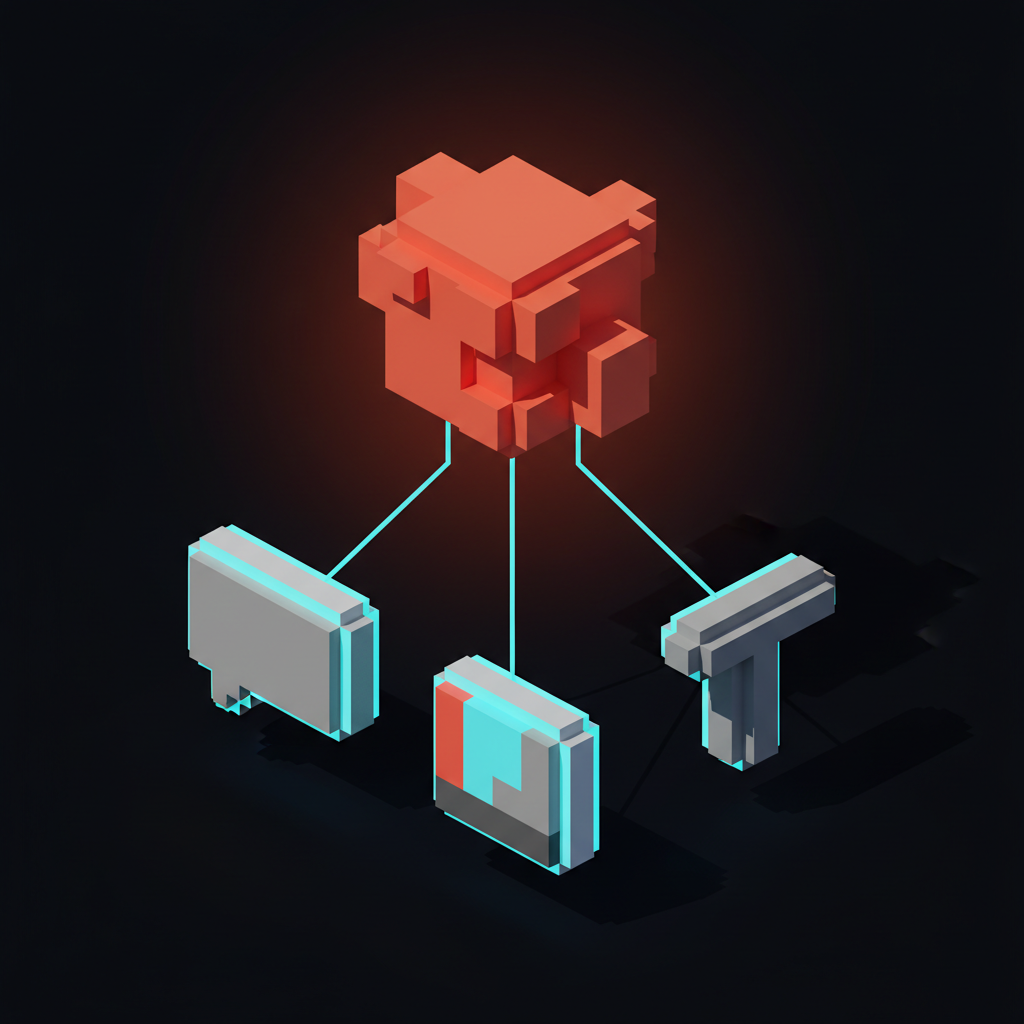
Problem यह नहीं है कि brands complexity नहीं रख सकते। यह है कि archetypes personality traits नहीं हैं जो add हो जाते हैं। वे different promises, different emotional territories, और different implied enemies represent करते हैं।
Hero brand और Caregiver brand एक identity के compatible expressions नहीं हैं। Hero, जैसे Nike, आपको rise करने, achieve करने, और अपनी limit से आगे push करने के लिए कहता है। Caregiver, जैसे Volvo, आपको बताता है कि आप safe और protected हैं। दोनों valid promises हैं, लेकिन एक brand दोनों एक साथ नहीं कर सकता बिना एक के दूसरे को undermine किए।
Dual-archetype trap तब होती है जब कोई brand दो audiences को appeal करने या एक identity के तहत दो products serve करने की कोशिश कर रहा होता है। वह problem strategic है, visual नहीं। या तो primary audience चुनें या sub-brands split करें, लेकिन strategy problem को blended archetype से solve करने की कोशिश न करें।
एकमात्र Real Exception, और Tie कैसे Break करें
दो archetypes एक साथ का एक legitimate version है, जो है एक primary archetype के साथ एक secondary modifier। Nike primarily एक Hero है। उसकी secondary texture Explorer है, जो wilderness में shoot किए campaigns और trail के लिए built gear में visible है।
जब ये दोनों साथ appear होते हैं, Hero in charge है और Explorer वह environment है जिसमें Hero operate करता है। जिस moment वे equal weight carry करते हैं, identity blur होने लगती है।
अगर four-question framework चलाने के बाद भी आप choose नहीं कर पा रहे, तो जवाब लगभग हमेशा वह archetype है जो आपके best customers से map करता है। सभी customers से नहीं। वे जो already conviction पर buy करते हैं, दूसरों को refer करते हैं, और convince किए जाने की ज़रूरत नहीं है।
जब Brand Archetypes Time की Waste हैं
Archetypes एक promise को scale पर communicate करने का tool हैं। अगर आपके पास clear promise नहीं है, तो कोई archetype उसे create नहीं करेगा। Framework assume करता है कि brand के पास already कुछ stand करने के लिए है, और जब ऐसा नहीं होता, तो exercise एक label produce करती है और कुछ नहीं।
तीन conditions हैं जहाँ archetype work genuinely premature है।
आपके Brand ने अपनी Audience नहीं Choose की
Archetypes different लोगों के साथ differently resonate करते हैं। Outlaw कुछ audiences को liberating लगता है और दूसरों को reckless। अगर brand ने नहीं choose किया कि वह किसके लिए build कर रहा है, तो archetype choice हर बार swing करेगी जब कोई नया opinion के साथ weighs in करेगा।
आपका Product Promise से Match नहीं करता
Brand खुद को Explorer declare कर सकता है, लेकिन अगर product experience bureaucratic और constrained है, तो archetype theater है। सबसे expensive brand disaster वह archetype है जिसे आपका product actively contradict करता है। Customers gap को किसी भी brand team से ज़्यादा तेज़ी से notice करते हैं।
Team Choice बनने के बाद Commit नहीं करेगी
एक archetype जिसे हर छह महीने में revisit किया जाता है वह archetype नहीं है। यह एक mood board है। अगर leadership chosen archetype को contradict करने वाले content, campaigns, और copy को kill नहीं करेगी, तो exercise decorative है।
Framework सबसे powerful एक filter के रूप में है, origin story के रूप में नहीं। इसकी real value तीसरी बार दिखती है जब team किसी logo option या campaign concept पर argue करती है और कोई archetype की तरफ point करके पूछ सकता है कि option उससे map करता है या नहीं, और जब जवाब no हो तो उसे cut कर सकता है।
FAQ
Brand Archetype क्या होता है?
Brand archetype Jungian psychology से एक character type है जो एक universal human motivation represent करती है। यह define करती है कि brand अपनी audience की ज़िंदगी में क्या role निभाता है और brand के हर expression को एक promise के चारों तरफ align करती है।
कितने Brand Archetypes होते हैं?
12 होते हैं। ये हैं Hero, Outlaw, Magician, Ruler, Sage, Creator, Caregiver, Everyman, Innocent, Explorer, Lover, और Jester, जिन्हें mastery, freedom, belonging, और stability की चार motivational families में grouped किया गया है।
Brand Archetype और Brand Personality में क्या अंतर है?
Brand personality आमतौर पर traits का एक set होती है जैसे warm, bold, या playful। Brand archetype एक character role है जिसमें एक implied motivation, enemy, और promise होती है। "हम bold हैं" यह नहीं बताता कि recall में क्या कहना है। "हम Ruler हैं" बताता है।
क्या Brand अपना Archetype बदल सकता है?
हाँ, लेकिन यह painful और expensive है। Apple Outlaw (original Mac बनाम IBM era) से 2000s में Creator की तरफ shifted हुआ जब उसकी line creative लोगों के लिए tools में grow हुई। Shift में एक decade का real product change लगा, कोई rebrand नहीं।
Startup के लिए कौन सा Brand Archetype Best है?
वह जो आपकी actual position से match करे, न कि जो exciting sound करे। अगर आपका product mainly access के बारे में है, तो Everyman Outlaw या Hero से बेहतर convert करता है। अगर यह creative tools के बारे में है, तो Creator ज़्यादा honest है।
Brand Archetypes का Jungian Basis क्या है?
Carl Jung ने archetypes को collective unconscious में universal patterns के रूप में describe किया जो myths और stories में बार-बार recur करते हैं। Margaret Mark और Carol Pearson ने model को The Hero and the Outlaw (2001) में brands पर apply किया, arguing करते हुए कि इन patterns से map करने वाले brands instinctive recognition earn करते हैं।
क्या होगा अगर मेरा Archetype Competitor ने Already ले लिया हो?
दो brands एक archetype share कर सकते हैं और compete कर सकते हैं। Nike और Adidas दोनों Hero brands हैं, क्योंकि archetype motivation का एक territory है, trademark नहीं। किसी strong competitor के साथ इसे share करना इसे better execute करने का कारण है, किसी weaker archetype की तरफ retreat करने का नहीं।
Decision Choose करें, Costume नहीं
ज़्यादातर brands एक archetype उस तरह चुनते हैं जैसे कोई Halloween costume चुनता है, वह ढूंढते हैं जो एक अच्छे दिन उनके जैसा sound करे और वहीं रुक जाते हैं। जो brands actually इस framework से benefit लेते हैं वे इसे एक description के रूप में नहीं, एक constraint के रूप में treat करते हैं।
Constraint ही point है। एक बार commit करने पर, decisions की एक बड़ी category easy हो जाती है।
Copy जो match नहीं करती वह cut हो जाती है। एक palette जो emotional territory से fight करती है वह reject हो जाती है। एक product extension जो एक different motivation serve करती है वह शायद एक different brand की है।
Archetype एक recurring question के रूप में सबसे useful है, एक one-time workshop के रूप में नहीं। हर बार जब कोई creative brief land होती है या कोई campaign concept review के लिए आता है, सवाल यह है कि क्या यह archetype से match करता है। Consistently apply करने पर, वह एक सवाल ही है जो एक identity को समय के साथ coherent feel कराता है।
Brainy archive में और brand identity writing है अगर आप आगे जाना चाहते हैं। Archetype starting decision है, और जो कुछ इसके बाद आता है, voice से color से type तक, यह उस decision को हर detail में honor करने का काम है।
अगर आप बारहों को real companies के साथ ज़ोर से walked through देखना चाहते हैं, तो यह breakdown ऊपर दिए reference table के साथ अच्छी तरह pairs है।
एक चुनें। Commit करें। इसे run करने दें।
Brainy builds brand identities that pick a lane and commit to it. See how we work with brands.
Get Started