
Vibe Coding के खतरे: जब एक इंसान और AI मिलकर पूरा Startup शिप करें तो क्या टूटता है
Vibe coding के वो खतरे जिन्हें कोई audit नहीं करता जब एक founder और AI मिलकर पूरा startup शिप करते हैं, security holes से लेकर टूटे हुए branding तक, और इसे एक असली product में कैसे बदलें।
Vibe Coding के खतरे: जब एक इंसान और AI मिलकर पूरा Startup शिप करें तो क्या टूटता है
AI ने product शिप करना मुफ़्त कर दिया, और उतना ही मुफ़्त कर दिया एक liability शिप करना।
2026 में, Lovable, Bolt, v0, Cursor, या Replit के साथ एक solo founder शनिवार की दोपहर तक production में एक working product ला सकता है। रफ़्तार असली है। समस्या यह है कि वो सब कुछ जो ये tools चुपचाप skip कर देते हैं वो भी उतना ही असली है, और skipped हिस्से ही वो हैं जो एक working demo को एक असली business से अलग करते हैं।
यह paper एक vibe-coded startup की सतह के नीचे असल में क्या टूटता है उसका नक्शा खींचता है: वो security holes जो किसी के मिलने तक खुले पड़े रहते हैं, वो branding जो हर page पर खुद से टकराती है, वो UX जो सिर्फ उसी को समझ आती है जिसने बनाई है, और उस सबके नीचे खोखली structural foundation। फिर यह बताता है कि आपने जो शिप किया है उसे कैसे harden करें।
वो gold rush जिसे कोई audit नहीं कर रहा
2025 और 2026 में हज़ारों founders ने AI-built products शिप किए। उनमें से ज़्यादातर अभी production में चल रहे हैं, कुछ paying customers के साथ, active users के साथ, और असली revenue के साथ। उनमें से लगभग किसी को audit नहीं किया गया है।
यह founders की विफलता नहीं है। यह tools का एक structural side effect है। जब Lovable या Bolt घंटों में एक working product generate करता है, तो psychological reality यह है कि यह done लगता है। UI polished है, flows काम करते हैं, demo impress करता है, और बाहर से सब कुछ solid दिखता है।
समस्या यह है कि "solid दिखता है" और "solid है" उस पल तेज़ी से अलग हो जाते हैं जब आप अंदर देखते हैं। Security patches generated code में by default baked नहीं होते। Brand decisions disconnected sessions में अलग-अलग बनती हैं। Forms और onboarding flows pattern libraries से generate होते हैं, न कि इस सोच से कि आपके specific users कैसे सोचते हैं।
एक इंसान, हर टोपी
Vibe coding इसलिए काम करता है क्योंकि अब एक इंसान उतनी ज़मीन कवर कर सकता है जिसके लिए पहले एक पूरी team चाहिए थी। एक solo founder product design कर सकता है, बना सकता है, copy लिख सकता है, payments configure कर सकता है, और बिना किसी को hire किए production में push कर सकता है। यह एक genuine, non-trivial structural shift है इसमें कि एक इंसान क्या accomplish कर सकता है।
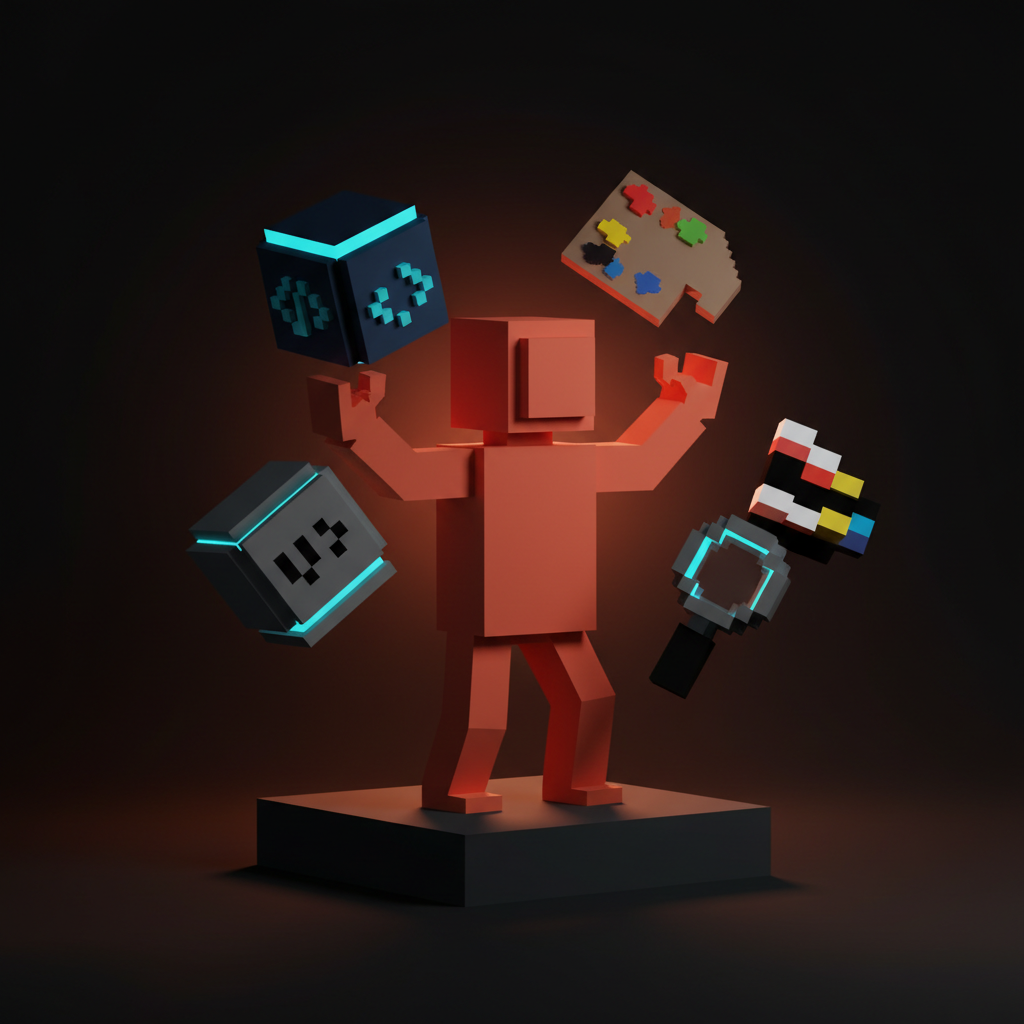
catch यह है कि हर टोपी अब भी मौजूद है, चाहे एक ही सिर उन्हें पहन रहा हो। Security audits ज़रूरी होने से नहीं रुकते क्योंकि developer ने उन्हें skip कर दिया। Brand consistency खुद को manage नहीं करती क्योंकि founder ने आधी रात को logo generate किया। UX research by default नहीं होती क्योंकि builder ने assume कर लिया कि सब उसी की तरह सोचते हैं।
Lovable, Bolt, v0, Cursor, और Replit जैसे tools ने execution barrier को हटाया। उन्होंने judgment की ज़रूरत को नहीं हटाया। और judgment exactly वही है जो speed pressure में खराब होती है जब आप एक साथ developer, designer, writer, और founder हों।
देखें designers इसे कैसे navigate कर रहे हैं: designers असल में vibe coding कैसे use करते हैं।
Vibe coding असल में क्या शिप करता है
एक typical Lovable या Bolt build एक working UI, real data persistence, Stripe payment flows, authentication, और एक route structure शिप करता है जिसे एक team को manually बनाने में दो sprints लगते। वो हिस्सा असली है और respect के लायक है। audit के लायक हिस्सा वो है जो इसके साथ bundled आता है।
Generated code के साथ predictable gaps का एक set bundled होता है:
- Secrets गलत जगह बैठे हैं, अक्सर client-side
- Logic browser में चल रहा है जो server पर होना चाहिए
- Public endpoints पर कोई rate limiting नहीं
- कोई systematic error handling नहीं
ये AI tools में bugs नहीं हैं। ये natural output है जब speed ही एकमात्र target हो और push से पहले कोई architecture review न करे।
Branding आमतौर पर तीन या चार disconnected sessions में assemble होती है: एक logo के लिए, एक landing page के लिए, एक app dashboard के लिए, एक emails के लिए। हर session ने अलग में कुछ reasonable generate किया। साथ मिलाकर, वो एक-दूसरे से टकराते हैं।
Copy intent नहीं, space भरती है। Onboarding forms वो questions पूछते हैं जो AI ने suggest किए, न वो जो बताते हों कि कोई user कभी convert होगा या नहीं।
वो security holes जो आपको दिखते नहीं
एक vibe-coded product की security surface उससे बड़ी है जितनी दिखती है। ये वो gaps हैं जो एक typical AI-generated build खुले छोड़ देता है।
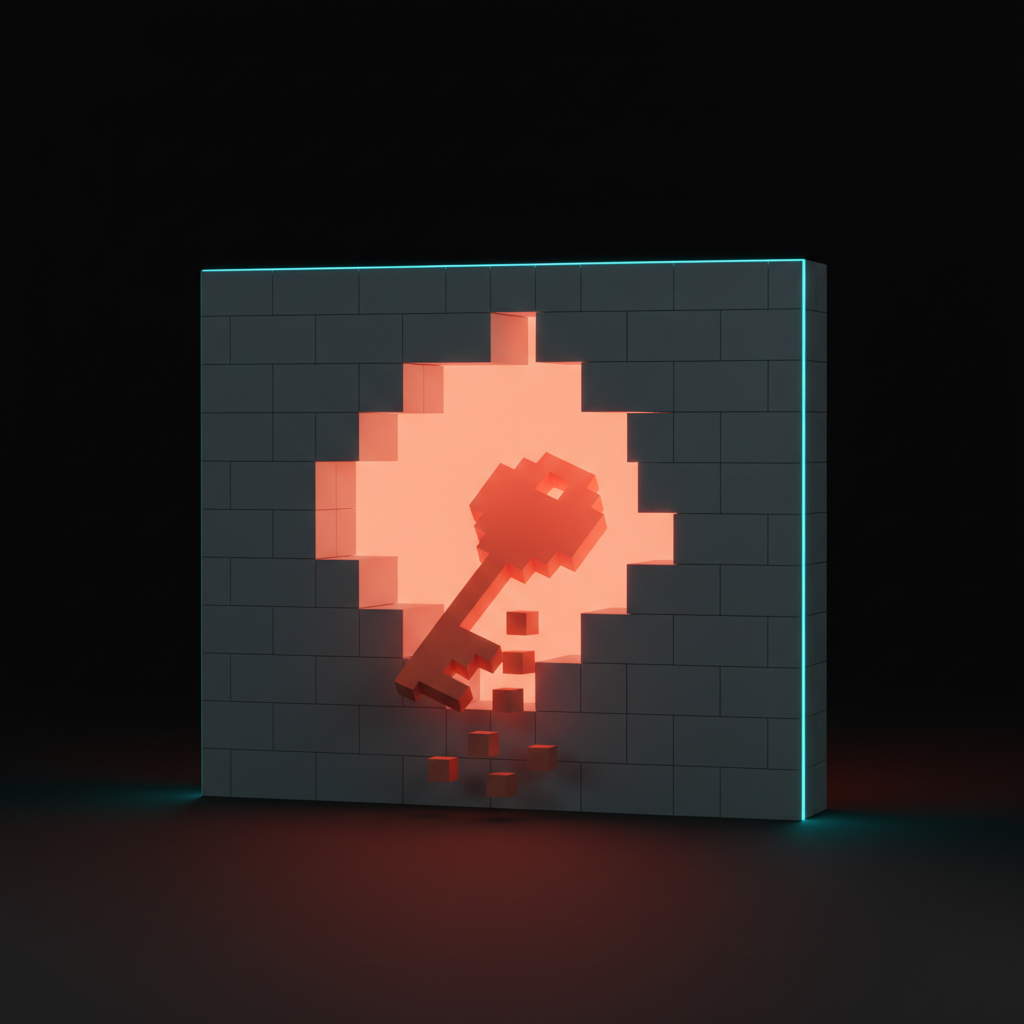
- API keys और secrets गलत layer में। Generated frontends अक्सर secrets client-side handle करते हैं क्योंकि "it works" तक का सबसे तेज़ रास्ता अक्सर key वहाँ रखना है जहाँ code चलता है। जो भी DevTools खोलता है वो इसे तुरंत पा लेता है।
- Public endpoints पर कोई rate limiting नहीं। बिना rate limiting के एक signup route या contact form एक open abuse vector है। Generated backends इसे by default कम ही add करते हैं क्योंकि AI के पास hostile traffic anticipate करने की कोई वजह नहीं होती।
- Unprotected internal routes। Generated apps अक्सर main dashboard को protect करते हैं लेकिन admin routes, API endpoints, या data exports बिल्कुल खुले छोड़ देते हैं, क्योंकि builder ने कभी product को एक unauthenticated user की तरह walk-through नहीं किया।
- Server-side validation missing। जब आप तेज़ी से build कर रहे हों तो client-side validation complete लगती है। Server-side validation एक अलग layer है जो skip हो जाती है जब आप security principles की जगह prompts से code generate कर रहे हों।
- कोई dependency audit नहीं। Generated code में bundled npm packages वही हैं जो AI ने training time पर reach किया। कुछ unmaintained हैं, कुछ में known vulnerabilities हैं, और किसी को भी किसी ने security disclosure पढ़कर नहीं चुना।
एक exposed API key, rate-limit-free endpoint, या unprotected admin route शिप होते ही एक liability बन जाती है। बस अभी तक discover नहीं हुई है।
Branding जो खुद से टकराती है
AI build tools की sessions के पार कोई memory नहीं होती। हर prompt एक fresh context है। इसका मतलब है कि landing page session का font pairing, dashboard session के color choices, और onboarding session के button styles, हर एक independently generate हुए, बिना एक-दूसरे की awareness के।
नतीजा एक ऐसा product है जहाँ marketing site एक company जैसी दिखती है, app एक दूसरी company जैसा दिखता है, और transactional emails एक तीसरी की तरह दिखते हैं। हर screen internally consistent है। Screens के पार, कुछ भी match नहीं करता।
यह एक superficial problem नहीं है। Brand inconsistency किसी sophisticated buyer को सबसे तेज़ signal है कि product rough है। Investors इसे notice करते हैं, और enterprise buyers इसे especially notice करते हैं।
AI-built MVP और एक real product के बीच का gap अक्सर features नहीं होता। वो वो बारह जगहें होती हैं जहाँ visual language चुपचाप टूट जाती है।
Fix सब कुछ redesign करना नहीं है। यह वो system establish करना है जो brand को consistent रखता है और उसे everywhere apply करने का एक disciplined pass लेना है।
| Layer | आमतौर पर क्या generate होता है | क्या आमतौर पर टूटता है |
|---|---|---|
| Logo | Single session, अक्सर usable | Color values reuse के लिए कभी export नहीं होते |
| Typography | Landing page को एक pairing मिलती है | App UI बिल्कुल अलग stack use करता है |
| Color | Prompt-matched palette | Hex values हल्की errors के साथ duplicate हो जाते हैं |
| Components | Per-screen, systematic नहीं | Button variants और input styles diverge हो जाते हैं |
| Emails | Separate tool, separate session | App brand से बिल्कुल disconnected |
| Error states | अक्सर missing entirely | Blank या browser-default styling |
वो UX जो सिर्फ बनाने वाले को समझ आती है
knowledge का अभिशाप product design में एक well-documented trap है। एक बार जब आप समझ जाते हैं कि कोई चीज़ कैसे काम करती है, तो आप उसे अन-जान नहीं कर सकते, और आप वो देखने की क्षमता खो देते हैं जो एक first-time user देखता है। Vibe coding इसे amplify करता है हर उस friction point को हटाकर जो normally एक builder को अपनी assumptions किसी और को explain करने पर मजबूर करती।
जब builder ही prompter भी है और एकमात्र tester भी, तो product बनाने के लिए जो mental model use हुई वो उसे navigate करने की mental model से identical है। Flows जो builder को obvious लगते हैं उन्हें उस व्यक्ति के लिए design किया गया जो पहले से जानता है क्या आने वाला है। नए users बिल्कुल अलग context के साथ आते हैं, कोई prior exposure नहीं, confusion के लिए कोई patience नहीं।
Generated onboarding flows builder के perspective से complete और logical होते हैं और पहली बार product encounter करने वाले के लिए completely opaque। हर step उसे समझ आता है जो पहले से destination जानता है।
Fix AI नहीं है। यह पाँच ऐसे लोगों को देखना है जो आप नहीं हैं, product को आपकी किसी भी मदद के बिना use करने की कोशिश करते हुए। जहाँ वो अटकते हैं वो आपका UX debt है।
सब कुछ generated, कुछ भी decided नहीं
Modern AI tools मिनटों में सब कुछ generate कर सकते हैं, forms, questionnaires, onboarding steps, email sequences, landing copy, pricing tiers। समस्या यह है कि quickly generated और strategically decided एक ही बात नहीं है।
| Element | Generated | Decided |
|---|---|---|
| Pricing | तीन tiers क्योंकि यही default pattern है | Tiers आपकी cost, buyer research, और competitors से matched |
| Copy | Page पर space भरती है | किसी specific reader से conversion earn करती है |
| Forms | वो questions पूछते हैं जो template suggest करता है | वो पूछते हैं जो user को qualify करे या problem diagnose करे |
एक generated pricing page तीन मिनट लेता है। एक decided तीन हफ़्ते की सोच लेता है। यह distinction demo में नज़र नहीं आती, यह छह महीने बाद conversion rates में नज़र आती है।
Content strategy का वो सवाल जो हर vibe-coded product ने नहीं answer किया: product पर हर word क्या कर रहा है, और किसके लिए।
"यह काम करता है" अभी तक एक business नहीं है
एक working demo एक business नहीं है। न ही एक working MVP। "यह काम करता है" और "यह टिका रहता है" के बीच का gap exactly वहाँ है जहाँ vibe-coded startups 2026 में fail हो रहे हैं।
Real businesses के पास ऐसी चीज़ें होती हैं जो working demos के पास नहीं होतीं:
- Consistent branding जो हर touchpoint पर trust बनाती है
- Security architecture जो penetration test survive करे
- Onboarding flows जो founder नहीं हैं ऐसे लोगों से validated हों
- Copy जो एक specific reader को move करे बजाय slot भरने के
- एक data model जो initial use case से आगे scale करे
- Monitoring, error alerting, और कुछ टूटने पर एक plan
GitHub और Stripe ने "trusted infrastructure" तेज़ी से शिप करके नहीं earn किया। उन्होंने जो शिप किया उसे harden करके earn किया जब तक वो trust warranted नहीं हो गया। PlanetScale का product एक ऐसी company जैसा दिखता है जो data को seriously लेती है क्योंकि यह ऐसी company जैसा दिखने के लिए बनाया गया था जो data को seriously लेती है, stack के हर level पर। यही वो bar है जो एक real business clear करती है।
2026 में scarce resource शिप करने की क्षमता नहीं है। AI ने शिप करना लगभग मुफ़्त कर दिया। Scarce resource है judgment, security, और एक coherent brand। इनमें से कोई भी prompt से नहीं निकलता।
आपने जो बनाया उसे harden कैसे करें
आपको कुछ भी rebuild नहीं करना है। आपको audit करना है, prioritize करना है, और सही क्रम में gaps बंद करने हैं।
| Risk | यह कैसा दिखता है | पहले एक चीज़ fix करें |
|---|---|---|
| Security | Exposed keys, open endpoints, कोई rate limits नहीं | सभी secrets को server-side environment variables में move करें। आज npm audit run करें। |
| Brand | Pages पर inconsistent color, type, और components | अपने real hex values और type stack के साथ एक single token file export करें। एक pass में सब जगह apply करें। |
| UX | ऐसे flows जो सिर्फ builder को समझ आते हैं | अजनबियों के साथ पाँच usability tests run करें। नए features बनाने से पहले top तीन blockers fix करें। |
| Content | बिना strategic intent के generated copy | हर CTA audit करें। जो किसी specific person को कोई specific बात नहीं कहता उसे rewrite करें। |
| Foundation | कोई monitoring नहीं, कोई error handling नहीं, कोई data review नहीं | किसी और चीज़ से पहले error tracking (Sentry या equivalent) add करें। यह बताता है कि actually क्या टूट रहा है। |
क्रम मायने रखता है:
- Security पहले, immediate external consequences वाला एकमात्र risk
- Brand दूसरा, क्योंकि यह हर नई screen के साथ compound होता है जो आप शिप करते हैं
- UX तीसरा, किसी बड़े user base के bad habits lock होने से पहले
- Content चौथा, सबसे धीरे अपना नुकसान दिखाता है
- Foundation parallel में, क्योंकि monitoring वो reveal करता है जो बाकी चार miss कर गए
कुछ और hardening moves जो जल्दी payoff देते हैं:
- हर response में एक
Content-Security-Policyheader add करें - हर environment variable को audit करें और confirm करें कि कोई client layer के सामने exposed नहीं है
- Launch असली traffic drive करे उससे पहले हर public-facing endpoint पर rate limiting set करें
- Logged-out user की तरह पूरे product को walk through करें और हर route list करें जो load होता है
- हर third-party package को उसके latest published security disclosure के against review करें
Brainy archive में real products बनाने पर और ज़्यादा पाएं।
Brainy के पास लाएं
Hardening का काम glamorous नहीं है और अकेले करते वक्त fast नहीं है, especially जब आप साथ ही नए features शिप कर रहे हों और business भी चला रहे हों। ज़्यादातर founders के पास security background नहीं है। ज़्यादातर के पास brand systems background नहीं है। ज़्यादातर के पास proper usability research run करने का time नहीं रहा।
Brainy की team AI-built products को audit करती है और उन्हें real ones में बदलती है। हम security surface को pressure-test करते हैं, brand system establish करते हैं, UX flows fix करते हैं जो users को churn कर रहे हैं, और वो copy rewrite करते हैं जो कुछ earn नहीं कर रही। हमने Lovable, Bolt, v0, Cursor, और Replit सहित हर major AI tool पर बने products के साथ काम किया है, और हम exactly जानते हैं कि हर एक कहाँ gaps छोड़ता है।
Brief simple है। जो आपने बनाया वो हमारे पास लाएं, और हम बताते हैं कि actually क्या गलत है। फिर हम उसे fix करते हैं।
आप ऐसे product के साथ end up करते हैं जिस पर trust किया जा सके, न सिर्फ वो जिसे demo किया जा सके।
Brainy से अपना startup harden कराएं।
FAQ
Vibe coding क्या है?
Vibe coding AI tools को prompt करके software build करना है जो code, design, और content generate करे, natural language में आप क्या चाहते हैं यह describe करके और हर line review किए बिना output accept करके। यह term 2025 में Andrej Karpathy के workflow describe करने के बाद widely spread हुई, और यह तेज़ी से catch on हुई क्योंकि tools genuinely काम करते हैं।
क्या vibe coding एक बुरा idea है?
नहीं। यह एक real productivity multiplier है जो एक इंसान को वो चीज़ें शिप करने देता है जिनके लिए पहले एक team चाहिए थी। Risk approach में नहीं है, यह fast build को finished product मानने में है बिना उस speed के create किए security, brand, UX, और structural gaps को audit किए।
सबसे बड़ा vibe coding security risk क्या है?
Client side पर exposed API keys और secrets सबसे common और immediately exploitable problem है। AI tools "it works" के लिए optimize करते हैं, जिसका अक्सर मतलब secrets वहाँ रखना है जहाँ code चलता है, browser में भी। DevTools में visible कोई भी secret एक live liability है।
क्या brand inconsistency असल में business outcomes affect करती है?
यह उतना ज़्यादा matter करता है जितने ऊंचे buyer stakes हों। एक consumer app rough branding के साथ एक B2B product से ज़्यादा देर तक survive कर सकता है। जितना ज़्यादा आपका buyer purchase से पहले trust evaluate कर रहा है, उतनी तेज़ी से brand inconsistency उसे destroy करती है, इसलिए businesses को sell करने वाली या sensitive data handle करने वाली किसी भी चीज़ के लिए, contradictory visual language एक aesthetic problem नहीं बल्कि एक active sales problem है।
क्या मैं पूरा product rebuild किए बिना vibe coding risks fix कर सकता हूँ?
हाँ। ज़्यादातर hardening काम additive या corrective है, rebuild नहीं। Secrets UI को touch किए बिना server पर move हो जाते हैं, एक design token system existing screens पर एक pass में apply हो जाती है, और UX flows usability findings से एक-एक करके revise होते हैं। Main exception एक deeply flawed data model है, जिसे कभी-कभी structural change की ज़रूरत होती है।
तेज़ बनाएं, फिर सही बनाएं
Vibe coding एक गलती नहीं है। इसने जो speed unlock की वो real है और यह बदल गया कि एक इंसान क्या बना सकता है। गलती पहले build को final मानना है बिना यह audit किए कि speed ने क्या create किया।
Security holes खुद announce नहीं करते। Brand debt चुपचाप compound होता है। UX problems उस इंसान को fine लगते हैं जिसने flow बनाया और बाकी सब के लिए invisible walls हैं।
Generated content कुछ earn किए बिना space भरता है। ये hypothetical risks नहीं हैं। ये एक process के predictable output हैं जो entirely speed के लिए optimize है, soundness के लिए कुछ भी नहीं।
वो founders जो आगे निकलते हैं वो हैं जिन्होंने तेज़ी से शिप किया और फिर deliberately harden किया। इसलिए नहीं कि उन्हें अपने build पर कम confidence था, बल्कि इसलिए कि वो समझते थे कि "demo में काम करता है" और "production में टिकता है, scrutiny के तहत, growth के तहत" अलग-अलग चीज़ें हैं, और उनमें से सिर्फ एक business है।
तेज़ बनाएं। फिर सही बनाएं।
You shipped something real, fast. Brainy can pressure-test it, close the security gaps, fix the brand, and turn it into a startup that holds up. Start a conversation with us.
Get Started