
Figma Source of Truth Has Moved: Figma Is Now Documentation
More teams now treat the codebase as the single source of truth and Figma as documentation that describes it. Here is what changed, what Figma is still for, and how to run a code-first design system without losing the team.
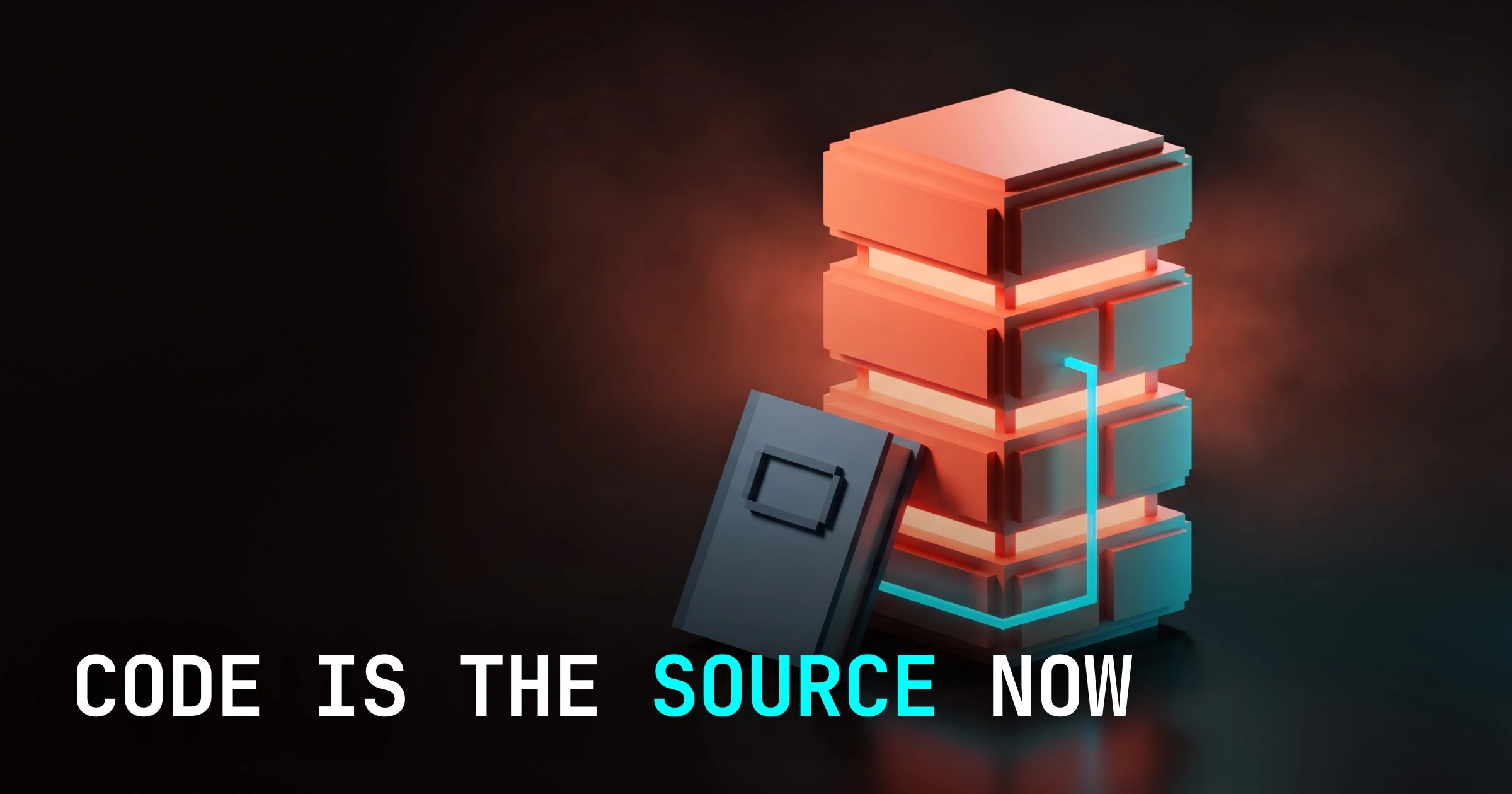
The codebase is now the source of truth, and Figma is documentation that describes it. That is the flip a growing set of product teams made through 2026, and it is not anti-Figma. It is the logical end of three things maturing at the same time.
This is a repositioning, not a funeral. Figma is moving from the place where truth lives to the place where teams explore and document. That is a demotion, and it is worth understanding before you reorganize anyone around it.
What "source of truth" actually means
Source of truth is not "where the design is prettiest." It is the artifact that wins when two versions disagree. If the Figma file says one radius and the shipped component says another, the source of truth is whichever one you fix the other to match.
For years that was Figma. Designers defined the values, engineers translated them, and when production drifted, the Figma file was the reference you corrected back to.
The problem was always the translation step. A design file cannot ship. Code ships. So "Figma is the source of truth" really meant "Figma is the source of truth until an engineer reinterprets it," which is a polite way of saying the truth changed hands every handoff and nobody owned the gap.
The shift, code-first with Figma as documentation
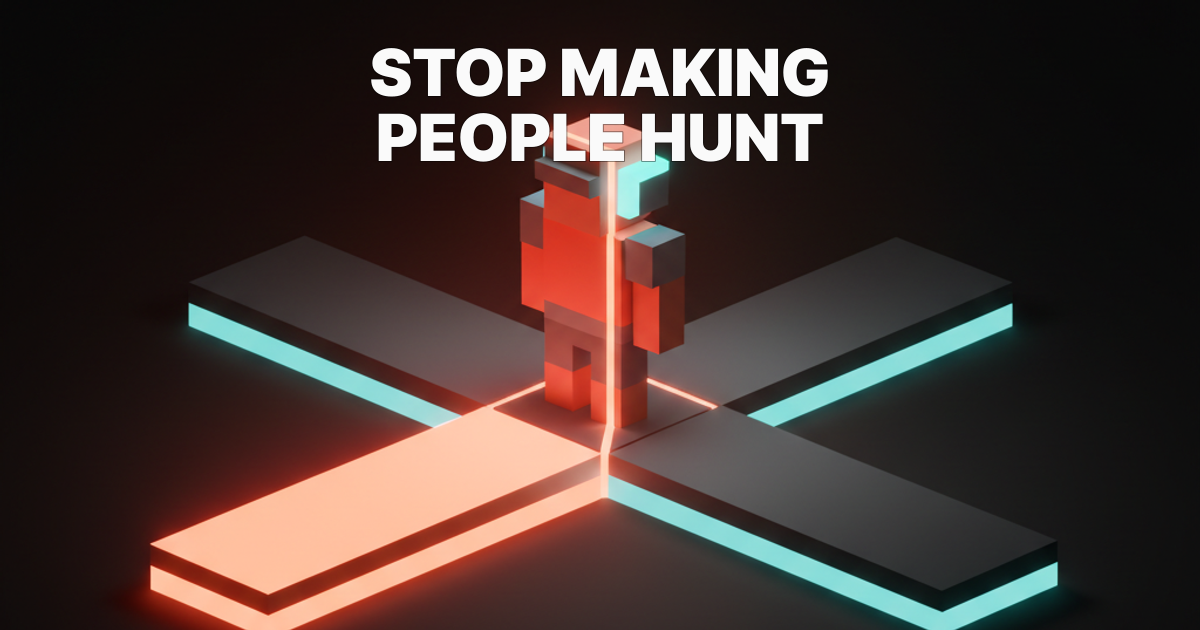
Code-first inverts the default. The values, the components, and the shipped UI are defined in the repo. Figma describes that system instead of defining it.
Nothing about the designer's day has to get worse here. You still design in Figma. You still explore, branch, critique, and prototype there. What changes is the direction of authority: the repo no longer chases the file, the file references the repo.

Here is what each layer owns once you make the flip honest.
| Layer | Owns now | No longer owns |
|---|---|---|
| Codebase / repo | Token values, component behavior, the actual shipped UI | Nothing it gave up; it gained the values |
| Figma | Exploration, flows, prototypes, specs, documentation, design review | The canonical values and "correct" component |
| Designers | Intent, hierarchy, interaction design, the system's direction | The final say on a pixel that contradicts production |
| Engineers | Implementing tokens and components as defined in code | Reinterpreting a static file by hand each time |
What made the repo the source of truth
Three things matured at once. None of them is "AI replaced designers." All of them are boring infrastructure finally landing.
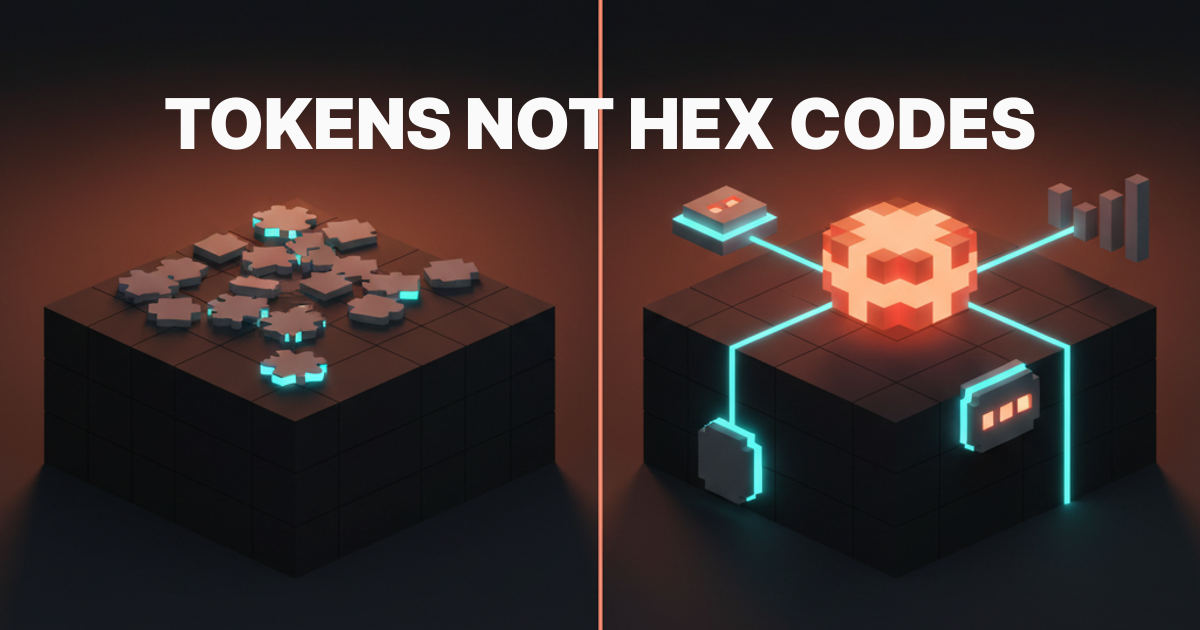
Tokens moved into code. Design tokens are the raw values: color, spacing, radius, type scale. With token pipelines built on tools like Style Dictionary, those values are defined once in code and synced outward to every platform. The moment the canonical color lives in a repo and Figma reads from it, the repo is the source for color. The other values follow.
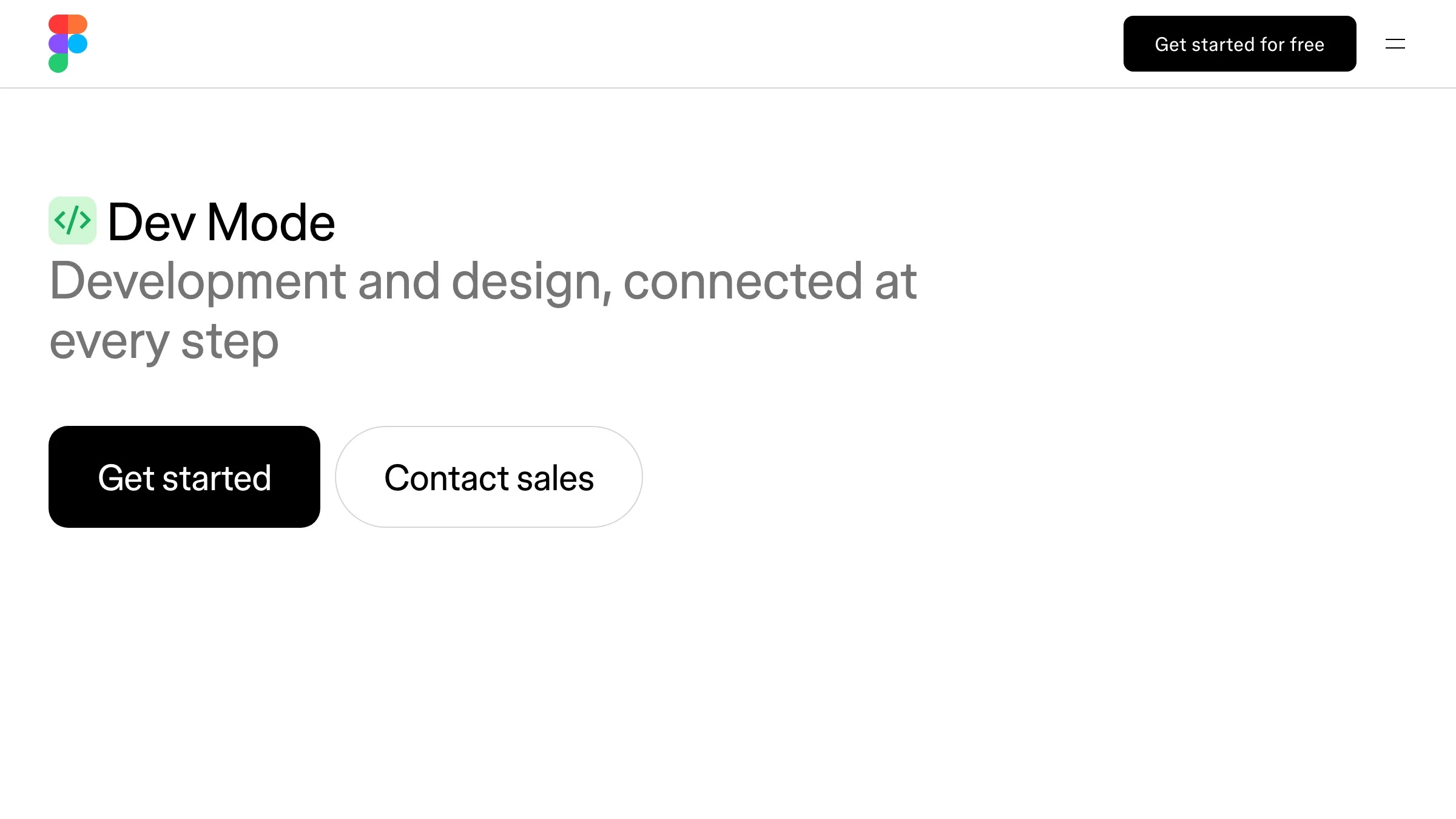
Design and code got bound. Figma's own Dev Mode and Code Connect let a Figma component point at the real coded component in the repo. That is the part people skip past. Figma is not fighting this shift, it shipped the feature that makes code the binding target.
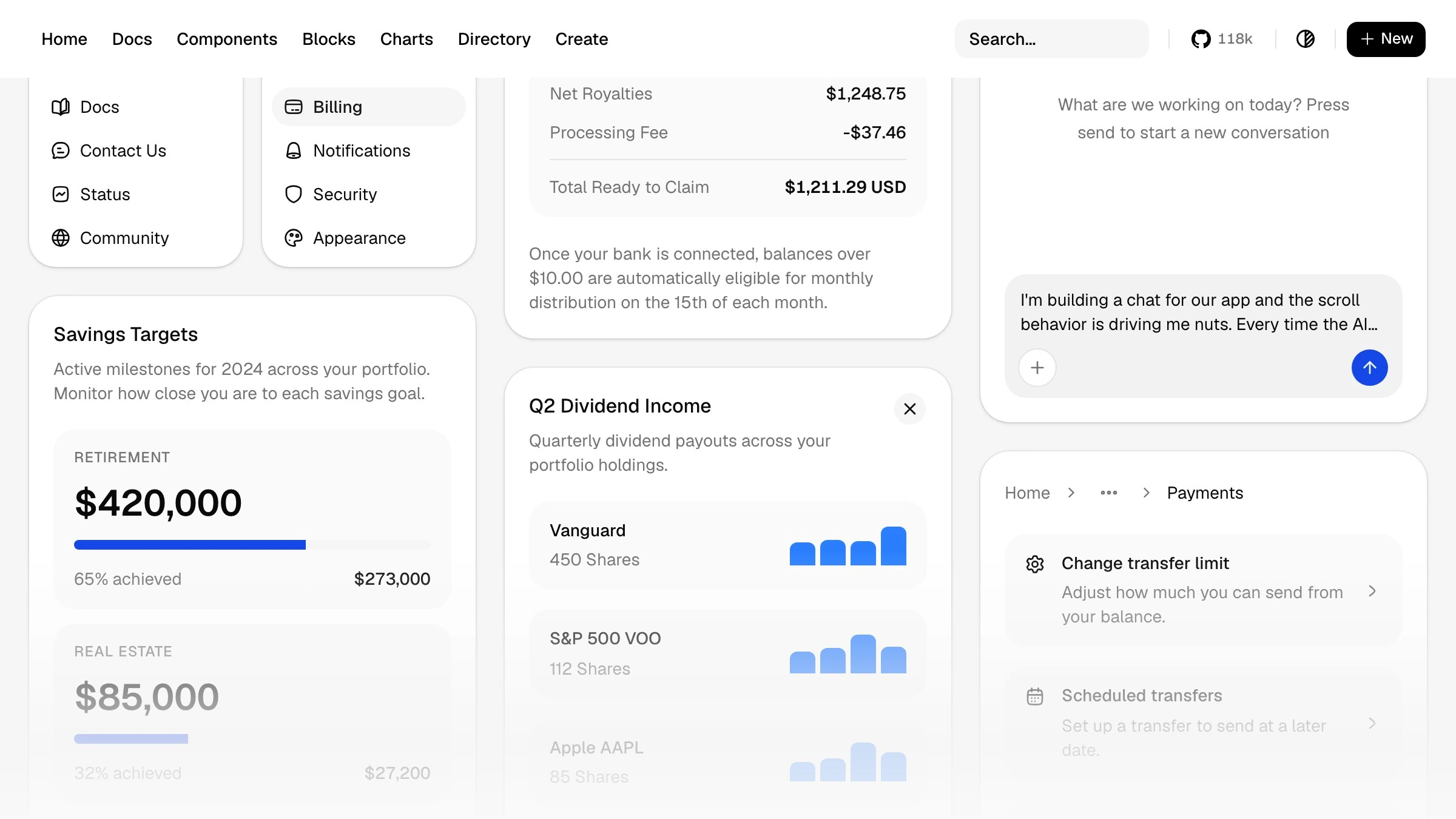
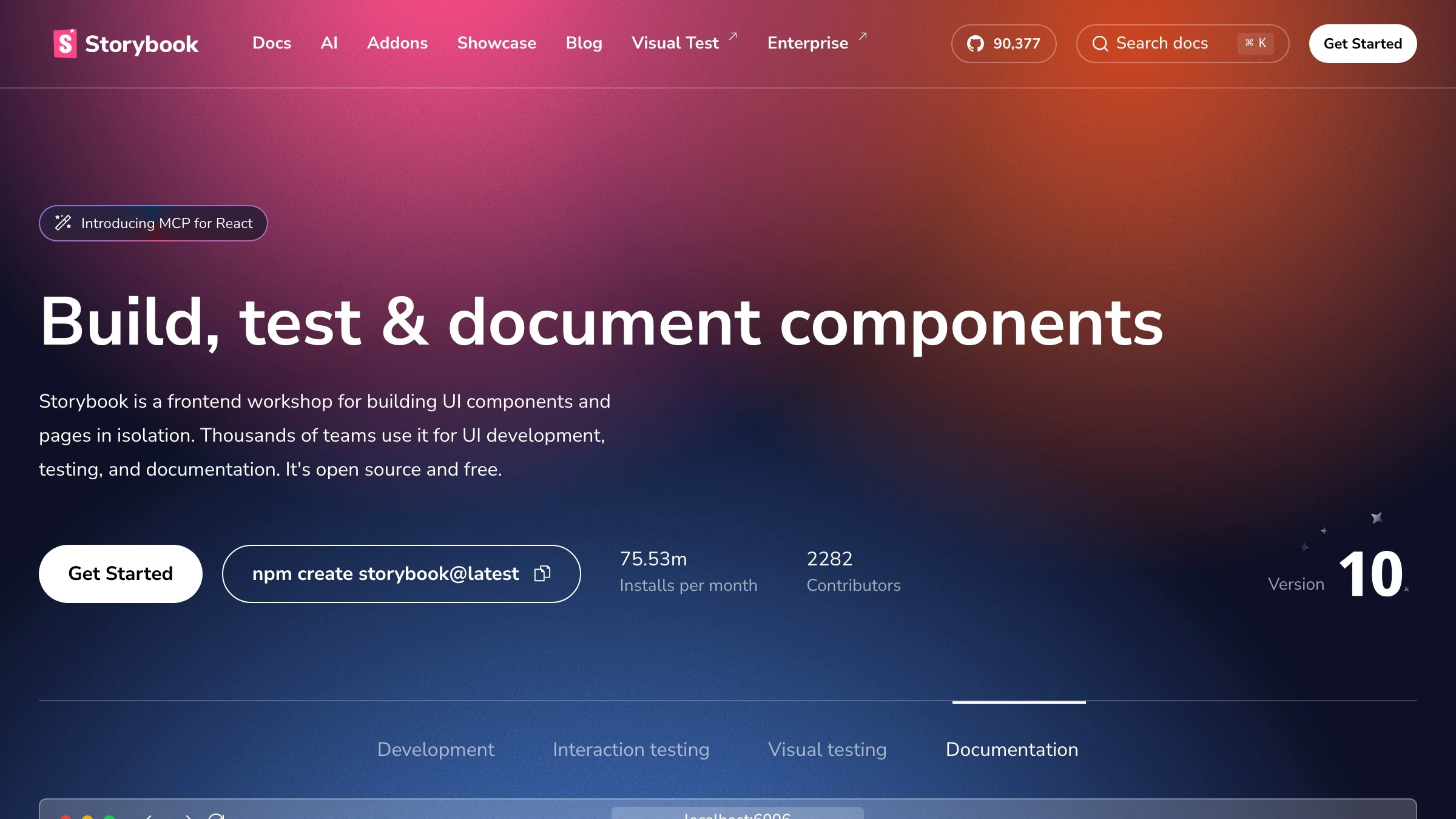
Meanwhile Storybook gives a coded component a living home you can see and test, and shadcn/ui distributes components as real code you copy into your repo, not a layer you redraw. When the "which one is correct" question finally has a deterministic answer, the answer is the code.
AI builds in the repo, not the canvas. The current generation of UI generation reads and writes code. It does not read your Figma layers and it does not write them back. So the build loop now starts and ends in the repo, which quietly makes the repo the place work actually accumulates.
What Figma is actually for now
Plenty, and most of it is the part designers like best.
Figma still owns the front of the process: exploration, divergence, fast iteration, the messy middle where you find the design before it exists. Code is a terrible place to think out loud. Figma is built for it.
It also owns documentation. Flows, states, edge cases, annotations, the "why," the prototype you put in front of a user. A repo is the source of truth, but a repo is a bad place to explain a design decision to a client. The file does that.
| Job | Best home |
|---|---|
| Exploring an idea before it exists | Figma |
| Defining the canonical token value | Code |
| Mapping flows, states, and edge cases | Figma |
| Resolving "which component is correct" | Code (via Code Connect / Storybook) |
| Design critique and client review | Figma |
| What actually ships to users | Code |
The honest counterpoint
Figma is not dying, and anyone selling you that headline is selling you a headline.
Three real limits keep Figma essential:
- Code is hostile to early exploration, so the divergent phase still belongs on a canvas.
- Non-engineers need a place to read the system, and a repo is not it.
- The binding only works if a human keeps the design and the coded component in sync, which is a discipline, not a default.
This is a repositioning. The place truth lives moved. The place teams think did not. Treat "Figma is documentation" as a clarification of roles, not a verdict on the tool, and your designers will nod along instead of digging in.
How to run a code-first design system without losing the team
The failure mode is not technical. It is a handoff war where designers feel demoted and engineers feel handed a second job. Run it as a sequence, not a decree.
-
Move tokens first, nothing else. Define color, spacing, type, and radius in code and sync them out. Let Figma consume those values instead of declaring them. This is the smallest change that makes the repo authoritative, and it touches no component yet.
-
Bind your top ten components. Use Code Connect to point your most-used Figma components at their coded counterparts, and give them a living home in Storybook. Do not boil the ocean. The ten components in everything carry most of the drift.

-
Name the source out loud. Write one sentence in your system docs: "When the file and the code disagree, the code is correct." Ambiguity is what starts the war, not the rule itself.
-
Keep designers upstream, not downstream. Designers should own intent, hierarchy, and the system's direction, working ahead of code. They should not be reduced to redlining production. If code-first turns your designers into QA, you did it wrong.
-
Make sync a job someone owns. The bind between design and code does not maintain itself. Assign it. A drifted Code Connect mapping is worse than no mapping because it lies with confidence.
Who should switch, and who should not
Not every team should flip the default, and the deciding factor is whether you ship a real codebase that drifts from design.
Switch if:
- You have a production app with a component library in code
- You see recurring design-versus-build drift
- Your engineers already live in Storybook or a similar setup
The repo is where your truth already accumulates. Make it official.
Wait if:
- Your output is mostly static deliverables, marketing pages, or pitch work
- Nothing gets implemented as a durable component library
If there is no codebase for truth to live in, "code-first" is a slogan, not a system. Figma staying your source of truth is the correct call.
| Signal | Lean code-first | Stay Figma-first |
|---|---|---|
| Durable coded component library | Yes | No |
| Recurring design-to-build drift | Yes | Rare |
| Engineers in Storybook already | Yes | No |
| Output is mostly static or pitch work | No | Yes |
FAQ
Is Figma still the source of truth in 2026?
For a growing number of product teams, no. The repo defines the tokens and components, and Figma documents that system. For teams without a durable codebase, Figma being the source of truth is still the right setup.
Does code-first mean designers stop using Figma?
No. Designers still explore, prototype, and document in Figma. What changes is that the canonical values and the "correct" component live in code, and Figma references them instead of defining them.
What is Figma Code Connect's role here?
Code Connect lets a Figma component point at the real coded component in the repo. It is the mechanism that gives the "which one is correct" question a deterministic answer, and it signals Figma itself treating code as the binding target.
Where do design tokens fit?
Tokens are the wedge. When color, spacing, and type are defined in code through a pipeline like Style Dictionary and synced outward, the repo becomes the source for those values. Moving tokens first is the lowest-risk way to start.
What about Storybook and shadcn/ui?
Both make code the living home for components. Storybook gives a coded component a visible, testable home, and shadcn/ui distributes components as real code you copy into your repo rather than a layer you redraw. They are where teams point when they say the code is the source.
The takeaway
Truth lives in one place. The only real question is whether you picked that place on purpose or let it default.
For more teams in 2026, the repo is that place: tokens in code, components bound through Code Connect and Storybook, and a build loop that starts and ends in the codebase. Figma did not lose its job. It got a clearer one, the front of the process and the documentation of the system.
Pick your source of truth deliberately, move authority in order, and write down who wins when the file and the code disagree. Do that and code-first is an upgrade. Skip it and you get a handoff war with extra steps.
Want a design system where truth lives in one place? Brainy builds it.
Get StartedGet new papers by email
New Brainy papers in your inbox. Confirm once, unsubscribe anytime.