
2026 में Machine Readable Design Systems वैकल्पिक नहीं हैं
AI tools अब सिर्फ आपके screenshots से नहीं, आपके design system से build करते हैं। यहाँ बताया गया है कि tokens, components और states को इतना structured कैसे बनाएं कि machine बिना गड़बड़ी बढ़ाए उन्हें पढ़ सके।
Machine अब आपका system पढ़ती है, screenshot नहीं
अपने design system को अभी machine readable बनाएं। AI design tools आपके काम की नींव में मौजूद structure से build करते हैं, न कि किसी तैयार screen की तस्वीर से, और वह structure ही वह चीज़ है जिस पर वे अब काम करते हैं।
Figma AI और Claude Design अब किसी flat image से आपका इरादा नहीं अंदाज़ा लगाते। वे आपके tokens, component definitions और named variants पढ़ते हैं, फिर जो मिलता है उससे build करते हैं। जो tool आपका system पढ़ता है, वह उसमें encode हर decision विरासत में लेता है, साफ-सुथरे भी और लापरवाही वाले भी।
यही structure को output quality की सीमा बनाता है। एक sharp system तेज़ generations देता है। एक ढीला system तेज़ रफ्तार से ढीली generations देता है।
Machine readable का असल मतलब क्या है
Machine readable का मतलब सुंदर नहीं है। इसका मतलब है कि एक tool बिना अंदाज़ा लगाए हर value, नाम और relationship को resolve कर सके।
एक human designer थोड़े अलग gray border वाले card को देखता है, कंधे उचकाता है, और उसे काफी करीब से match करता है। एक machine कंधे नहीं उचका सकती। या तो उसे border.subtle नाम का token मिलता है और वह उसे use करती है, या किसी component में hardcode #E3E3E1 मिलता है और वह उस गलती को नियम मान लेती है।
चार चीज़ें एक system को machine के लिए पठनीय बनाती हैं:
- Tokens जो हर value को नाम देते हैं, components के अंदर कोई raw hex नहीं
- Components एक बार define किए गए, variants named properties के रूप में, copies के रूप में नहीं
- States explicit variants के रूप में लिखी गई: default, hover, focus, disabled, error
- कोई detached one-offs नहीं जो चुपचाप उस system से विरोधाभास करते हैं जिसमें वे रहते हैं
एक गड़बड़ system AI को धीमा नहीं, बल्कि बदतर बनाता है
एक गड़बड़ system AI tools को धीमा नहीं करता। यह गड़बड़ी के उत्पादन को तेज़ करता है। ज़्यादातर लोग इसे उल्टा समझते हैं।
जब कोई designer एक अव्यवस्थित file inherit करता था, तो अव्यवस्था self-limiting थी, क्योंकि एक human केवल इतनी तेज़ी से copy-paste करता है और तीन buttons के असहमत होने पर नोटिस कर लेता है। एक machine में ऐसा कोई friction नहीं है। Figma AI को चार competing "primary" buttons वाले system पर point करें और वह खुशी से एक पांचवीं screen generate करेगी जो चारों use करती है, क्योंकि structure में कुछ भी नहीं बताया था कि कौन सा असली है।
AI एक गड़बड़ design system को fix नहीं करता। यह गड़बड़ी को तेज़ी से ship करता है।
यही एक लाइन में पूरा जोखिम है। tool एक amplifier है, और amplifiers को परवाह नहीं कि signal अच्छा है या नहीं।

Tokens वह unit हैं जो एक machine पढ़ सकती है
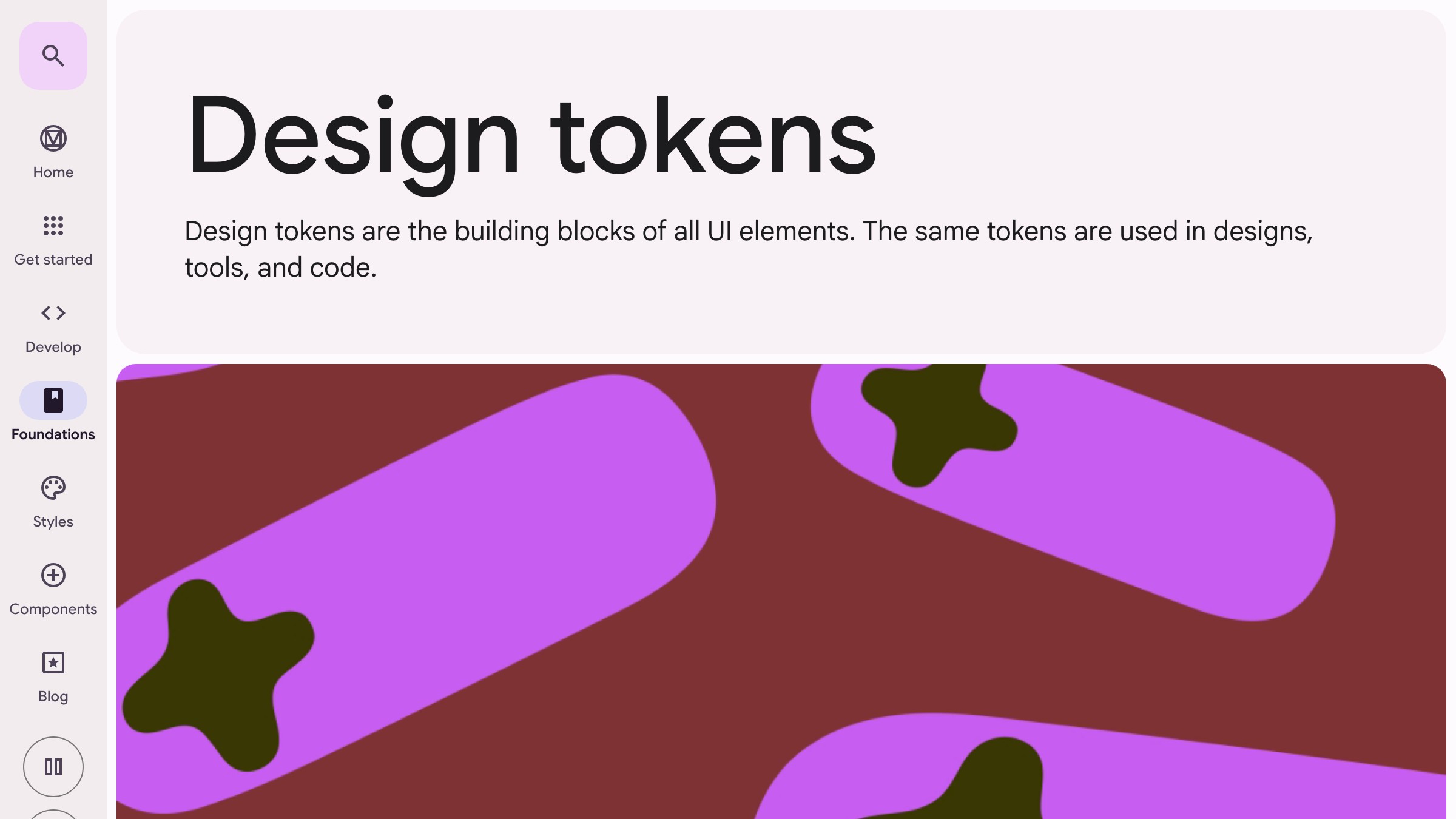
m3.material.io पर token system देखें
Tokens वह सबसे छोटी चीज़ हैं जिसे एक machine निश्चितता से पढ़ सकती है, इसलिए machine readability यहीं जीती या हारी जाती है। एक token एक named decision है, color.surface.raised, space.4, radius.md, जो किसी value की ओर इशारा करती है।
यह दो साल पहले की तुलना में अब ज़्यादा महत्वपूर्ण है क्योंकि एक नाम interpretation से बचता है और एक hex code नहीं। जब machine color.text.danger देखती है तो उसे intent पता चलता है। जब वह #D72638 देखती है तो उसे एक नंबर पता चलता है और कुछ नहीं, और वह उस नंबर को ऐसी जगहों पर reuse करेगी जहाँ आपने danger को appear करने का इरादा कभी नहीं किया था।
Real systems दिखाते हैं कि यह सही तरीके से कैसा दिखता है। Material Design 3 tokens को एक tiered structure के रूप में document करता है, reference से system तक component तक, वह named hierarchy जिसे कोई tool walk कर सकता है। Shopify Polaris अपने tokens को एक published, queryable set के रूप में ship करता है न कि एक Figma file के रूप में जिसे कोई देखकर अंदाज़ा लगाए।
| Design system | Owner | Machine के लिए क्या expose करता है |
|---|---|---|
| Polaris | Shopify | Published, queryable tokens और एक structured component catalog |
| Material Design 3 | Tiered design tokens, reference से system तक component तक | |
| Primer | GitHub | Versioned code के रूप में shipped tokens और components |
| Atlassian Design System | Atlassian | Products में named tokens और documented component states |
वे Components और states जिन्हें machine resolve कर सके
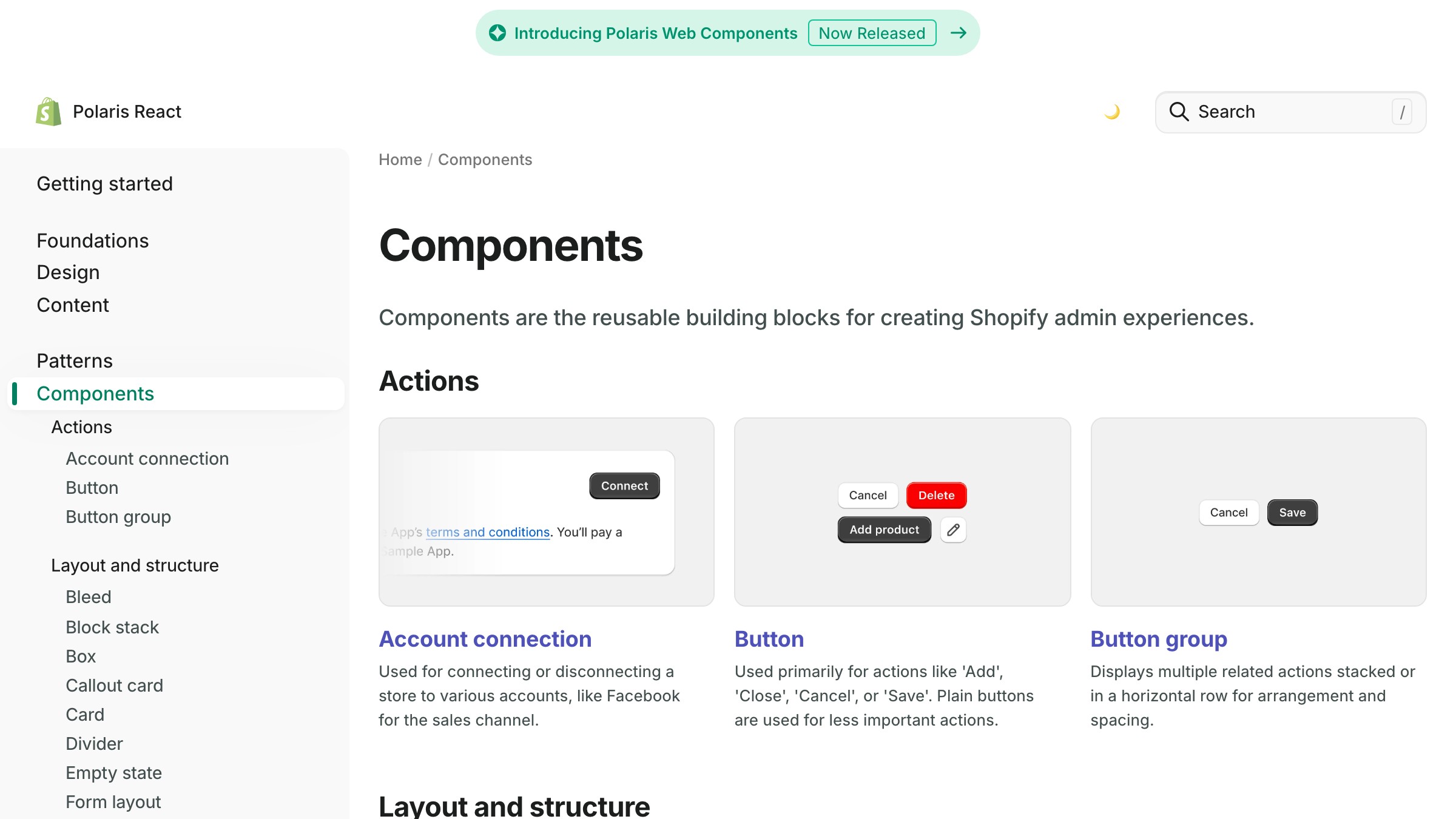
polaris.shopify.com पर catalog browse करें
एक component तभी machine readable है जब machine उसके variants को नाम से अलग पहचान सके। Primary, secondary या tertiary पर set variant property वाला एक button पठनीय है। "Button", "Button 2", "Button final", "Button (new)" नाम के पाँच अलग components एक अंदाज़ा लगाने का खेल है, और machine अंदाज़ा लगाएगी।
States वह जगह है जहाँ अधिकतर systems चुपचाप fail हो जाते हैं। Designers default state बनाते हैं, ship करते हैं, और बाकी सब किसी के दिमाग में लोककथा के रूप में छोड़ देते हैं। Machine लोककथा नहीं पढ़ सकती।
हर interactive component को ये पाँच states explicit named variants के रूप में चाहिए:
- Default
- Hover
- Focus
- Disabled
- Error
अगर कोई state एक named variant नहीं है, तो tool या तो उसे invent करता है या छोड़ देता है। दोनों गलत हैं।
System को बिना rebuild किए AI ready कैसे बनाएं
System को जलाने की ज़रूरत नहीं है। Machine readability ज़्यादातर एक cleanup का काम है, और सबसे ज़्यादा value वाले fixes structural हैं, visual नहीं।
अपनी असली file के सामने यह checklist काम करें:
- हर hardcoded hex, spacing और radius value को एक token reference से replace करें
- Duplicate components को named variants के साथ एक definition में collapse करें
- Missing states को explicit variants के रूप में जोड़ें: default, hover, focus, disabled, error
- हर detached instance को delete करें या reattach करें जो system से विरोधाभास करता है
- चीज़ों को intent से नाम दें,
text.dangerन किred.600, ताकि नाम में अर्थ हो - वे नियम लिखें जो एक human मान लेता है पर कभी document नहीं किए, ऐसे text में जो कोई tool पढ़ सके
पहले structural fixes करें, tokens और duplicate components, क्योंकि machine सबसे पहले वही पढ़ती है। एक पठनीय-लेकिन-सादा system detached one-offs से भरे एक खूबसूरत system को हर बार हराता है जब कोई tool उससे generate करता है।
Brainy designers को उस काम पर तेज़ और शार्प फैसले लेने में मदद करता है जो actually ship होता है। Brainy creator community के साथ build करें।
Designer के लिए यह क्या बदलता है
काम एक level ऊपर चला जाता है। सैकड़ों screens में pixels push करने में कम समय, उस system को define करने में ज़्यादा समय जिससे वे screens compile होती हैं। आपके काम की value उस structure में encode decisions की ओर shift होती है।
यह उन लोगों के लिए अच्छी खबर है जिन्हें systems thinking पसंद है और उनके लिए बुरी खबर है जिनकी value execution की speed थी। वह tool जो आपके tokens से build करता है, एक sharp system-designer को ज़्यादा valuable बनाता है और एक fast-but-sloppy को कम।
यह एक लापरवाह decision की कीमत भी बढ़ाता है। एक hardcoded color पहले एक screen में रहता था। अब यह हर उस screen में propagate हो सकता है जो tool generate करता है, इसलिए छोटे shortcuts उस तरह compound होते हैं जैसे तब नहीं होते थे जब human bottleneck था।
FAQ
Machine readable का मतलब है हर value नाम से resolvable है
Tokens raw values की जगह लेते हैं, components एक बार named variants के साथ define होते हैं, और हर state explicit है। अगर machine को नाम पढ़ने की बजाय pixel interpret करना पड़े, तो वह हिस्सा machine readable नहीं है।
क्या मुझे AI tools के लिए अपना design system rebuild करना होगा?
नहीं। ज़्यादातर काम cleanup है, hardcoded values को tokens से replace करना, duplicate components को collapse करना, और states को नाम देना। Rebuild कभी-कभार ही जवाब है। पहले structure को tight करें और वही file किसी tool के लिए कहीं ज़्यादा पठनीय बन जाती है।
कौन से design systems अच्छे machine-readable references हैं?
Shopify Polaris और Material Design 3 सबसे स्पष्ट public examples हैं, क्योंकि दोनों structured tokens और documented components publish करते हैं। GitHub Primer और Atlassian Design System भी strong references हैं, क्योंकि दोनों tokens और components को static files की बजाय versioned code के रूप में ship करते हैं।
क्या AI design tools design-systems का काम replace कर देंगे?
बिल्कुल उल्टा। जब कोई tool आपके system से build करता है, तो system खुद सबसे ज़्यादा value का artifact बन जाता है। Repetitive screen-building automated हो जाती है, और tokens और components में encode decisions ज़्यादा matter करते हैं, कम नहीं।
AI output को सबसे तेज़ क्या break करता है?
Detached one-offs और undocumented states। एक detached instance tool को एक विरोधाभास सिखाता है, और एक missing state उसे एक invent करने पर मजबूर करती है। दोनों confident, गलत output produce करते हैं जो तब तक सही लगता है जब तक आप check नहीं करते।
पहले Structure, फिर machine को build करने दें
बदलाव कहना आसान है और करना असहज। एक tool अब आपका system पढ़ता है और उससे build करता है, इसलिए system product है और screens byproduct।
किसी भी tool को point करने से पहले structure को पठनीय बनाएं। Values को tokenize करें, components को dedupe करें, states को नाम दें, detached one-offs को खत्म करें। ऐसा करें और Figma AI, Claude Design, और जो भी अगला आए वह mess multiplier की बजाय force multiplier बन जाएगा।
ज़्यादा design-systems और tooling breakdowns के लिए Brainy papers पढ़ते रहें। और अगर आप Brainy creator community के साथ build करना चाहते हैं, तो आएं देखें हम क्या बना रहे हैं।
Brainy designers को उस काम पर तेज़ और शार्प फैसले लेने में मदद करता है जो actually ship होता है।
Brainy helps designers make sharper calls, faster, on the work that actually ships. See what we are building for creators.
Get Started