
The Traditional Design Case Study Is Dying
The bloated 47-screen case study is losing to a working app shipped in one session. Here is what changed, what your portfolio should be now, and why thinking still matters.
The bloated design case study is dying. The case study itself is not.
That distinction is the whole argument, so hold onto it. The 47-screen deck with six weeks of process documentation is losing the room to a three-minute Loom of a working product that someone built in one session. When a hiring manager can click a live URL in ten seconds, your double-diamond walkthrough starts to feel like homework you are assigning them.
This is not a death notice for thinking. It is a notice that the proof has moved. The artifact is becoming the argument, and the slide deck explaining the artifact is becoming optional.
The thread that split designer Twitter
The fight went public when designer @andrewk posted a thread asking whether the traditional case study is now obsolete. It landed hard: around 9.8k reposts and more than 400 replies, with designers split down the middle on it.
That split is the signal. Half the room argued the case study is sacred craft. The other half pointed at their own live demos and asked why anyone needs the deck when the product is right there.
Neither side is wrong, which is exactly why it spread. The disagreement is not about whether designers should think. It is about where the evidence of that thinking should live now that shipping is nearly free.
What actually changed (one session, real auth, real payments, shipped same day)
What changed is the cost of a working artifact collapsed. Indie designers and founders are now posting complete, functional apps, with auth, payments, and real data flows, generated in a single extended session and shipped the same day.
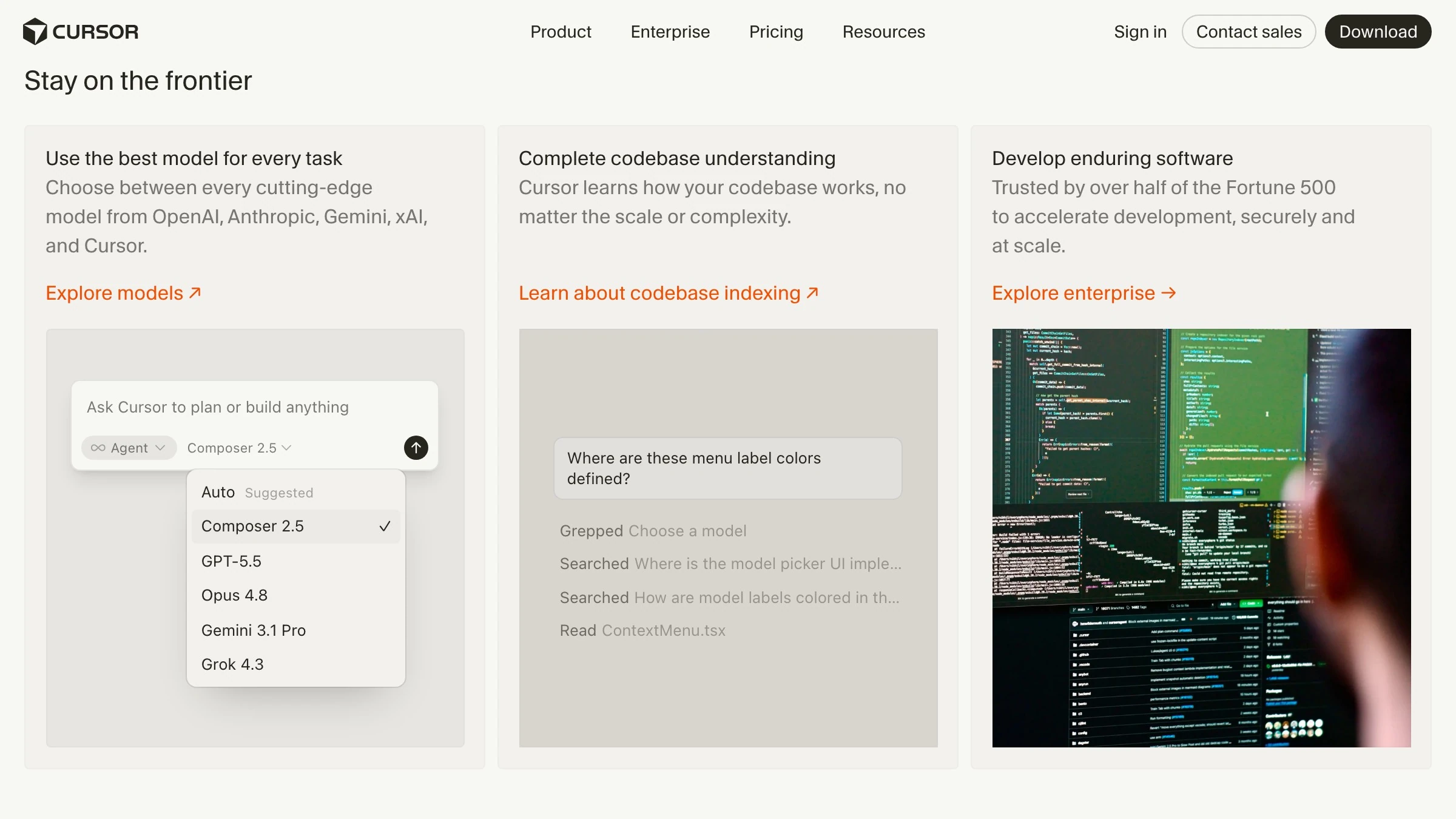
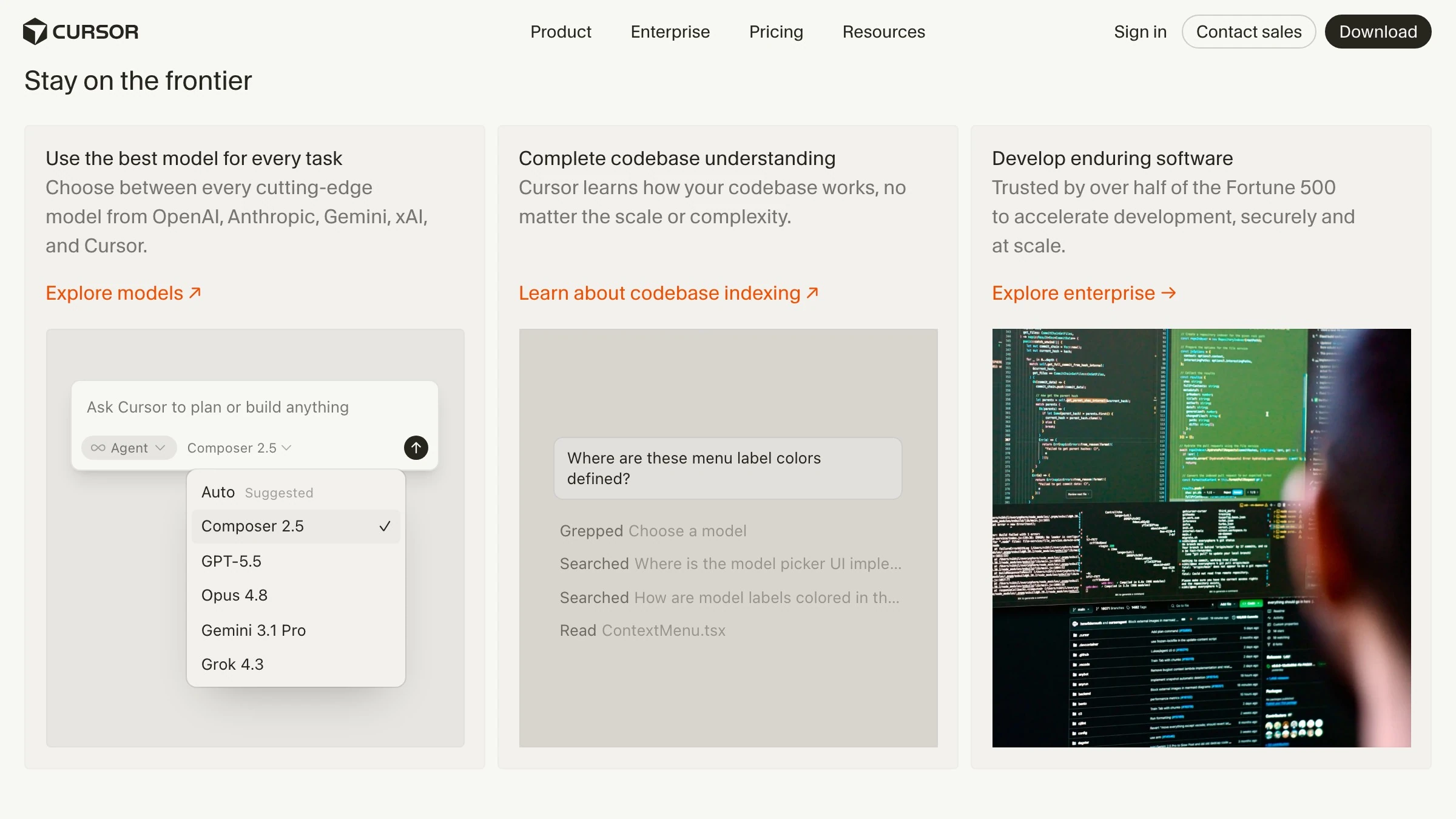
The tools made this credible fast. A long-running build in Claude Code or Cursor can now hold a coherent plan across a whole session instead of falling apart after the third file. Fable 5's long-horizon reliability and recent CursorBench wins are why "one take" stopped sounding like a demo trick and started sounding like a Tuesday.
So the math flipped. The old case study existed partly because building the real thing was expensive, slow, and gated behind engineering. You documented the process because the process was most of the work you could actually show.
Now the real thing is cheap to produce. When you can hand someone a live URL by end of day, a static reconstruction of how you would have built it reads as a worse version of evidence you already have.
Old deliverable vs working artifact (the honest table)
Here is the comparison that makes this concrete. This is not hype, it is a difference in what each format actually does for the person evaluating you.
| Dimension | Old case-study deliverable | Working-artifact deliverable |
|---|---|---|
| Format | 30 to 50 static screens, narrated process | A live URL plus a short walkthrough |
| What it proves | You can describe a method | You can ship a thing that runs |
| Time to evaluate | 8 to 15 minutes of reading | 10 seconds to click, 3 to feel it |
| What it can hide | Whether any of it actually worked | Almost nothing, it runs or it does not |
| Common failure | Process theater, polish over substance | Thin thinking behind a slick surface |
| What the reviewer remembers | A vibe and some screenshots | The moment the product did something |
Read the "what it can hide" row twice. The static case study can hide that the design never survived contact with real data, real states, or a real backend. The working artifact cannot hide that, because the reviewer is standing inside it.
That is why the artifact wins on trust. It is harder to fake a thing that runs than a thing that is rendered.
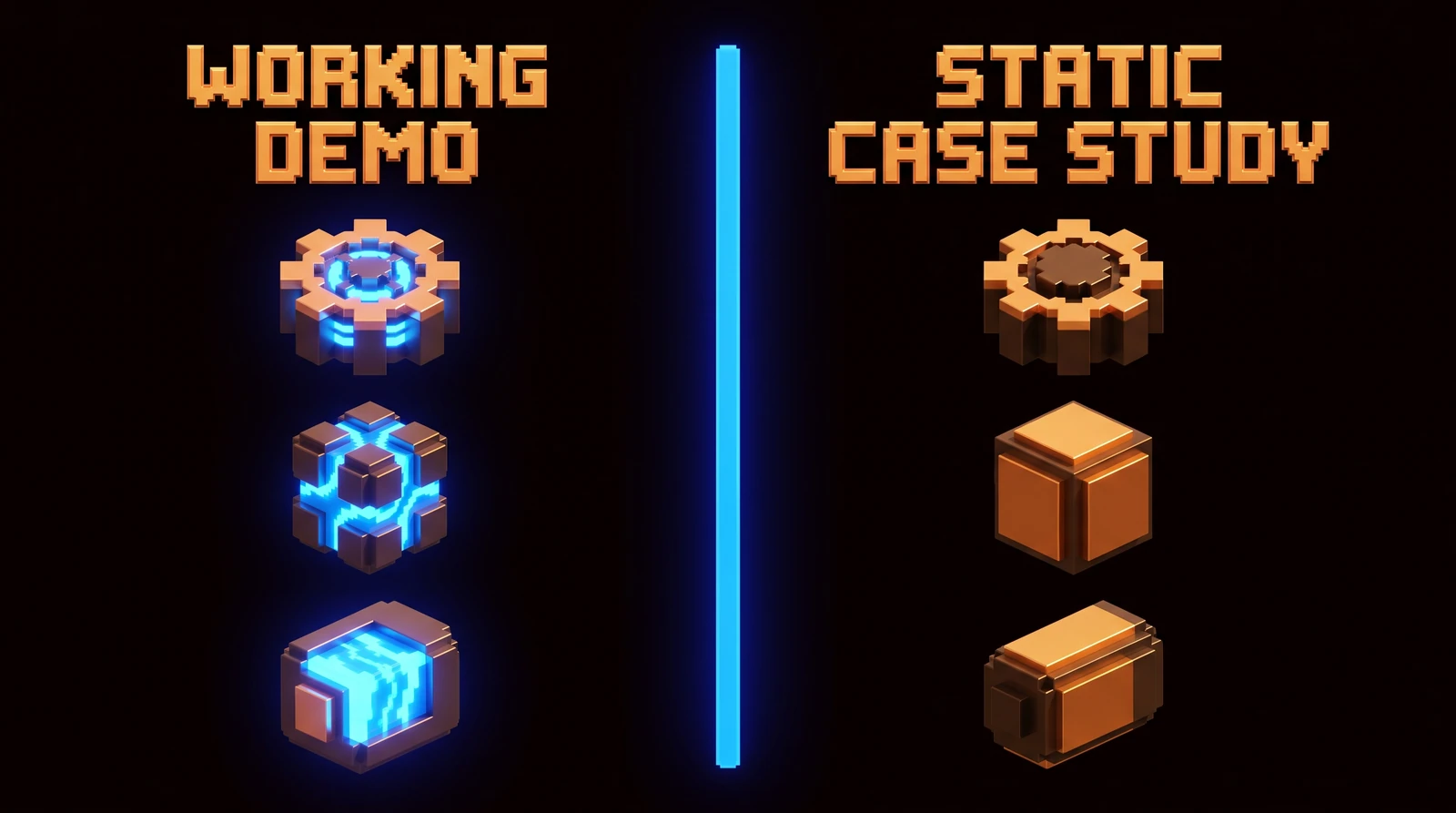
The case study is not dead, the bloated one is
Now the honest counterpoint, because the obituary version of this take is lazy.
A live demo proves the surface works. It does not, on its own, prove you understood the problem, weighed the tradeoffs, or chose this shape over three worse ones. A beautiful app that solves the wrong problem is still the wrong problem, shipped faster.
This is the trap in "the case study is dead." People hear it and delete the thinking along with the slide bloat. They are not the same thing. The bloat is the 12 slides of persona quotes and the moodboard nobody asked for. The thinking is the two decisions that actually shaped the product.
So the move is not "stop explaining your work." The move is "stop padding." Keep the judgment, cut the theater. A working artifact with no story behind it can read as "I prompted my way here," and for senior roles that is a real liability.
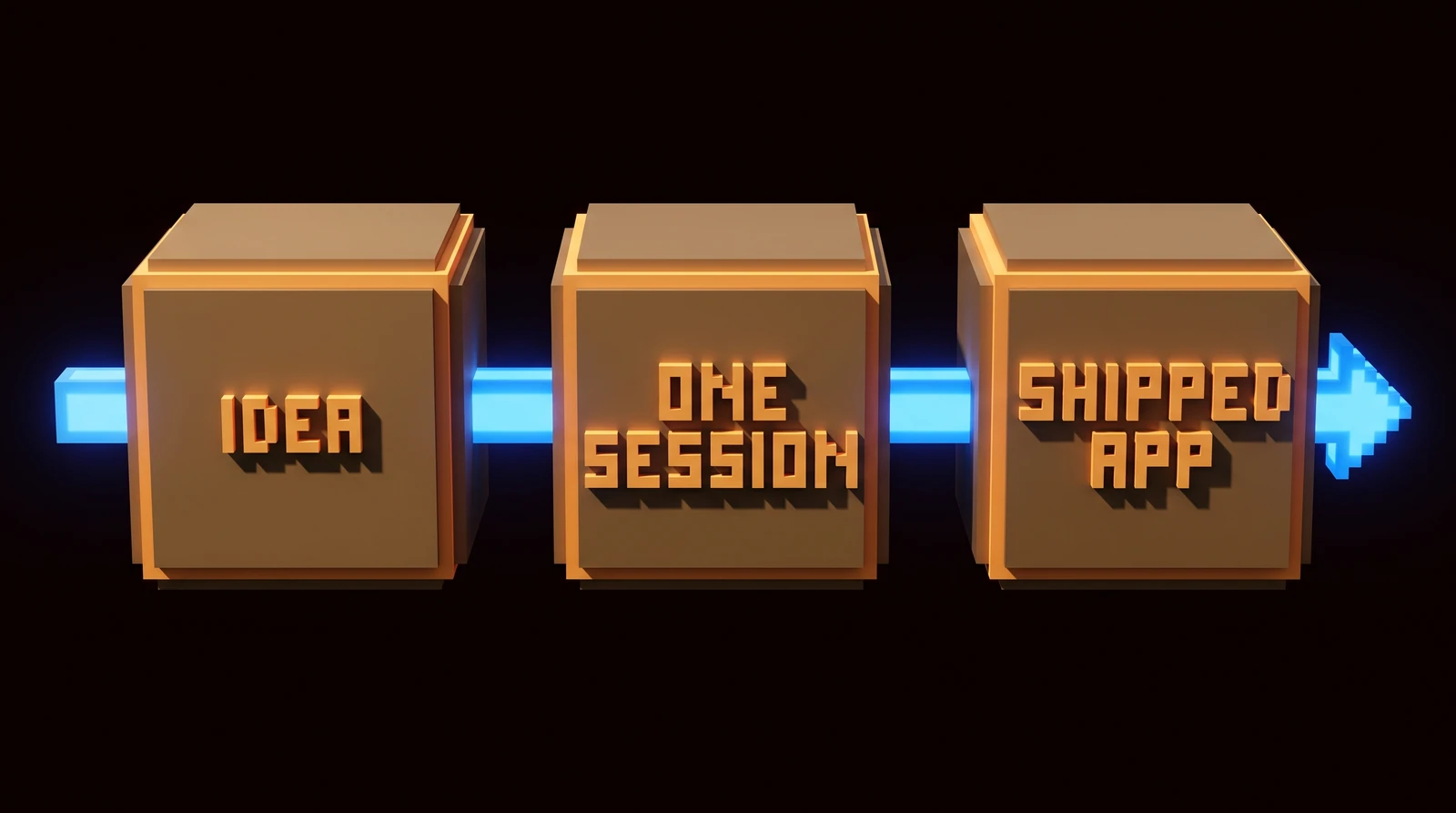
What your portfolio has to prove now (taste, judgment, problem framing)
Once shipping is nearly free, the scarce thing is not output. It is the three things a one-shot app cannot prove by itself.
Taste. When anyone can generate a passable interface, the gap between passable and right is the entire job. Taste is the thousand small calls a model will not make for you: what to cut, what to slow down, where to add friction on purpose.
Judgment. Show the fork. Show the version you killed and the one sentence reason you killed it. A single "we tried X, it broke trust at checkout, so we did Y" proves more than a 40-slide narrative of a path with no forks in it.
Problem framing. The demo answers "did you build it." Framing answers "should this have existed, and in this shape." That question is where senior designers earn the title, and it is the part a model is worst at handing you.
Notice none of these need 50 screens. They need a live thing and a few honest sentences about the calls you made building it.
How to rebuild your portfolio this month (lead with the live thing, keep a short decisions log)
You can rebuild this in a month without burning down what you have. The shape is simple: lead with the artifact, back it with judgment, cut the rest.
-
Lead with the live thing. First screen of every project is a clickable URL or a 60 to 90 second walkthrough of the product running. Not a hero shot, the actual product. The reviewer should touch something real before they read a word.
-
Keep a short decisions log. Three to five decisions per project, each one line. The decision, the alternative you rejected, the reason. This is the judgment evidence that a demo alone cannot carry.
-
Show one fork per project. The version that did not ship and why. This is the single fastest way to prove you were thinking, not just generating.
-
Cut the process theater. Delete the persona slides, the empathy maps you never used, the moodboard, the "ideation" screens. If it did not change the product, it does not earn space.
-
Put the ship date on it. "Idea to live in one session" or "shipped in a weekend" is now a credential. It signals you can move at the speed the work actually moves at in 2026.
That is the entire migration. Lead with the artifact, prove the judgment in five lines, throw out the padding that was always padding.
FAQ
Is the design case study completely dead?
No. The bloated, process-heavy case study is dying as the default. What it proved, that you can think and ship, now lives better inside a working artifact plus a short decisions log.
Should I just post a working prototype with no explanation?
No, and this is the most common overcorrection. A demo with no story reads as "I prompted my way here," which hurts you for senior roles. Pair the live artifact with three to five one-line decisions and one fork you rejected.
What is a one-shot app, exactly?
A complete, functional product, often with auth, payments, and real data, built in one extended session in a tool like Claude Code or Cursor and shipped the same day. Human judgment is still involved. What collapsed is the distance from idea to live thing.
Does this mean junior designers are in trouble?
The bar moved from "can you describe a method" to "can you ship and defend it." That helps anyone who can build, because a clickable artifact is more honest than a deck. The risk is for portfolios that hid thin substance behind process slides.
How do I prove my thinking if the case study is gone?
You do not need the long-form case study to prove thinking. Use a short decisions log: the call you made, the option you rejected, the one-sentence reason. Three to five of those beside a live artifact prove more judgment than a 40-screen narrative.
What about complex enterprise or systems work that cannot be one-shot?
Then your artifact is different, but the principle holds. Show a working slice or a functioning component, and attach the decisions log to it. The shift is "lead with something real and clickable," not "rebuild your entire SaaS in a weekend."
The takeaway (the artifact is the argument)
The artifact is the argument now. When you can hand someone a thing that runs, the deck explaining how you would have built it becomes the weaker copy of evidence you already hold.
The @andrewk thread split designers around 9.8k reposts and 400-plus replies deep because both halves were defending something true. One half defended thinking. The other defended proof. The resolution is that the proof moved into the working thing, and the thinking moved into five honest lines beside it.
So do not mourn the case study. Retire the bloated one, keep the judgment, and lead with the live thing. Process out, product in.
The designers winning the room in 2026 are not the ones with the thickest deck. They are the ones who can say "click this," and then explain, in five lines, exactly why it is shaped the way it is.
Want a portfolio that ships working product, not slide decks? Let's build it.
Get StartedGet new papers by email
New Brainy papers in your inbox. Confirm once, unsubscribe anytime.