Logo Variants in 2026: The Full Brand Mark Family Every System Needs
Logo variants are how a brand mark survives every surface it lands on in 2026. Here is the full family, primary, secondary, monogram, wordmark, mark-only, horizontal, stacked, app icon, favicon, social avatar, motion sting, with the rules for each and the systems Linear, Vercel, Stripe, Notion, and Anthropic actually ship.
A logo is a family, not a single mark
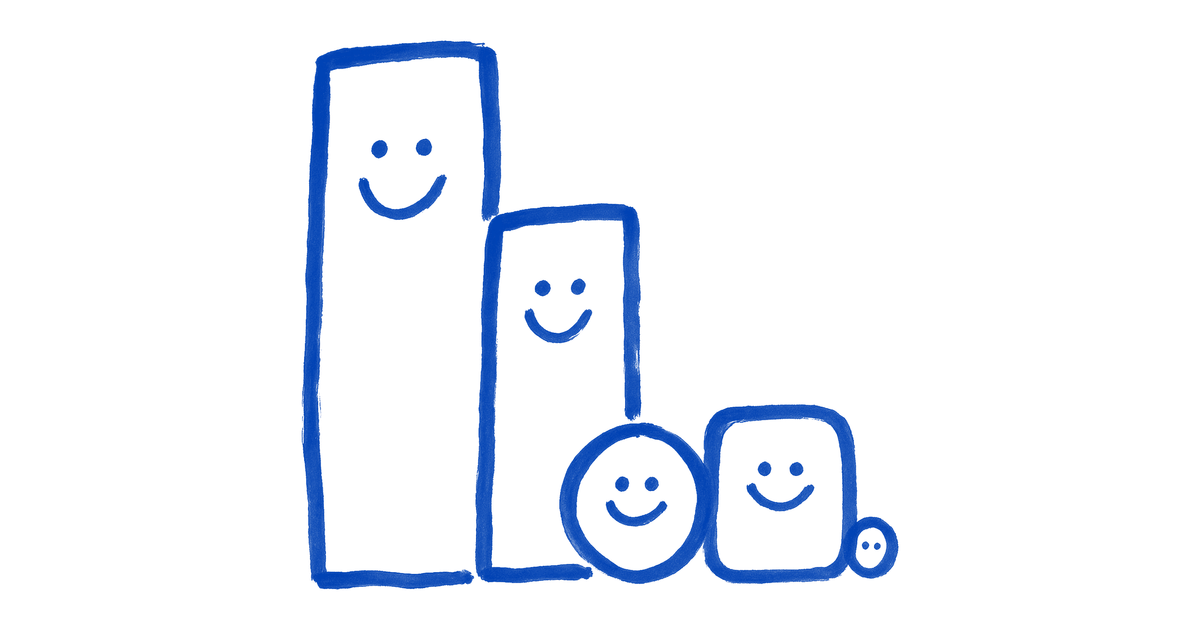
A logo is not a single mark. It is a family of marks built to survive every surface a brand lands on, and the brands winning identity in 2026 ship between five and eleven specific variants from a single coherent system.
The problem is that most identity projects deliver one file: the primary lockup. The designer hands it off, the client deploys it everywhere, and within six months it is stretched, cropped, squeezed, and broken on a dozen surfaces it was never designed for.
A real logo design process treats the variant family as a manufacturing decision, not a drawing decision. You build the full family up front or you rebuild it in pieces under deadline pressure later.
The eleven variants every full brand mark family includes
A complete brand mark family in 2026 has up to eleven variants, and most teams ship without at least four of them. The eleven:
| Variant | What It Is |
|---|---|
| Primary | The default lockup, mark plus wordmark in the standard orientation |
| Secondary | The alternate lockup for surfaces the primary does not fit |
| Monogram | The brand reduced to its initials |
| Wordmark | The brand name with no symbol |
| Mark-only | The symbol with no wordmark attached |
| Horizontal | Mark plus wordmark on a single horizontal axis |
| Stacked | Mark above wordmark on a vertical axis |
| App icon | Purpose-built for a rounded square at small sizes |
| Favicon | Built for sixteen pixels in a browser tab |
| Social avatar | Built for the circle crop on every social platform |
| Motion sting | A two-to-four-second animation for video contexts |
Not every brand needs all eleven. But every brand needs to know which ones it is skipping and why, because a skipped variant is a decision, and a missing variant is a gap that shows up in production.
Primary and secondary, the lockups that do the most work
The primary lockup is the brand's default mark. It is the one on the website hero, the pitch deck cover, and the business card. The secondary lockup is the variant for everything the primary does not fit, usually a reoriented or simplified version of the same mark.
Most brands ship only the primary. That is why their identity breaks the moment a surface gets narrow, square, or dark. The secondary lockup is not optional, it is the fix that keeps the brand from improvising in production.
The rule: if your primary lockup has a specific orientation, your secondary covers the other one. Horizontal primary gets a stacked secondary. Mark-left primary gets a mark-above secondary.
Monogram and wordmark, the two reductions that matter
A monogram strips the brand to its initials. A wordmark strips it to its name. The choice between them is a strategic call, and most brands make it by accident when they should be making it deliberately.
A monogram works when the brand name is long, when the mark is already recognized, or when brevity wins the surface, product UI, embossed merch, social avatars. A wordmark works when the brand name IS the brand, when legibility at small sizes matters more than a symbol, or when the brand is early and does not yet have mark recognition.
Most brands need both. They are not interchangeable reductions. They are tools for different surfaces and different stages of awareness. For a deeper look at the decision, see wordmark vs lettermark logos.
Mark-only, the variant most identities skip
A mark-only variant is the symbol with no wordmark attached. It is the variant that lets a brand live on a product interface, a motion sequence, a piece of merch, or a social profile without dragging the full name along.
The brands that skip the mark-only variant are the ones that cannot scale into product, motion, or merch without redesigning the logo. They are also the ones who reach for the monogram in every context where the mark-only would be stronger, because the mark-only does not exist yet.
The mark-only is not a bonus deliverable. It is the variant that proves the symbol works on its own. If the symbol does not hold up alone, it is not strong enough yet and the system has a foundational problem.
Want a brand mark family that survives every surface from a sixteen-pixel favicon to a two-second motion sting? Brainy ships full identity systems with every variant a real brand needs, no template bundles, no half-built sets. Hire Brainy.
Horizontal vs stacked, the orientation pair every brand needs
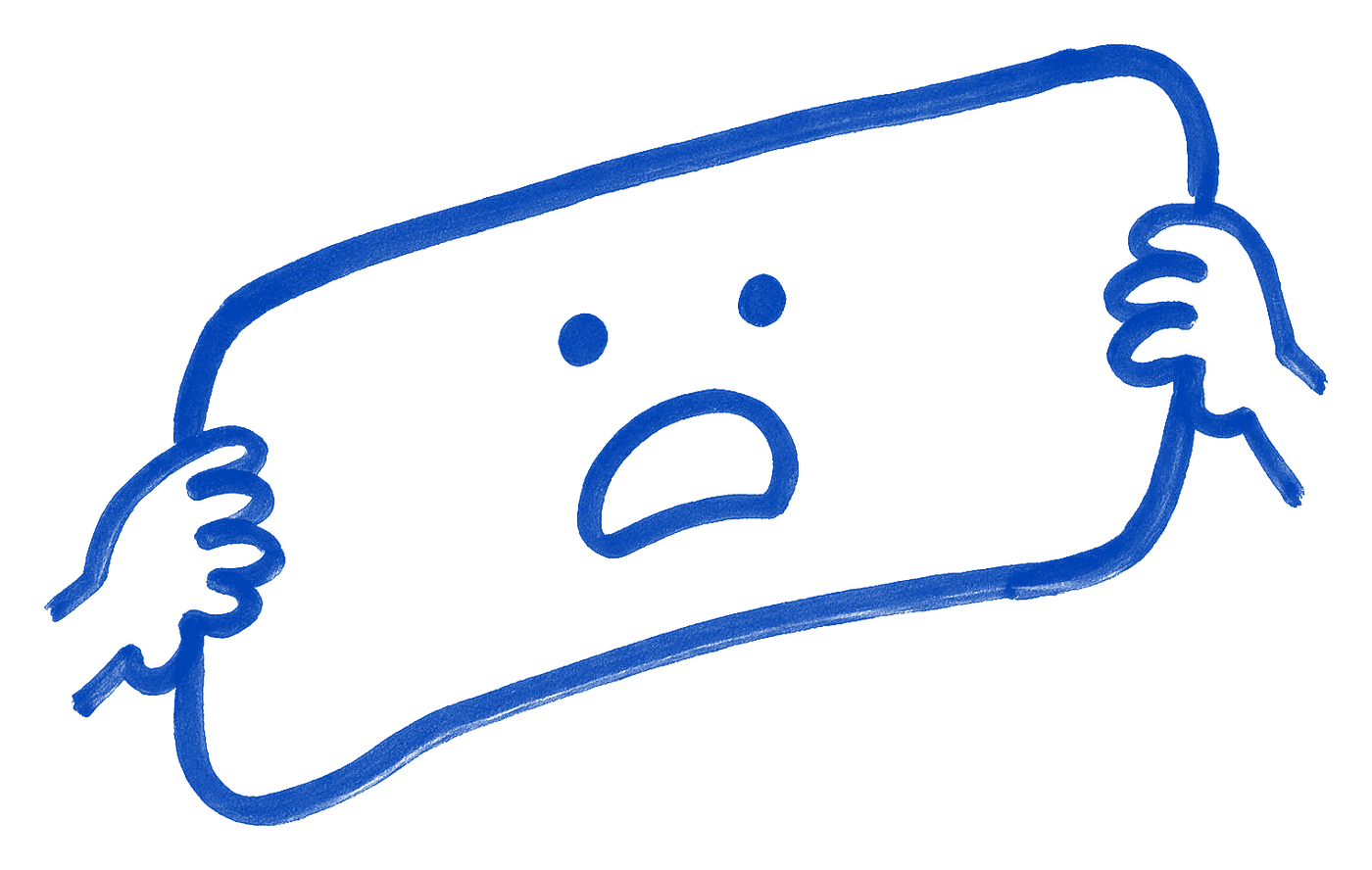
A horizontal lockup fits wide surfaces: email headers, browser headers, document footers, presentation title slides. A stacked lockup fits narrow surfaces: sidebar badges, merch tags, mobile headers, vertical banners.
Shipping only one of the two is a guaranteed identity break somewhere. The brand either forces a horizontal lockup into a square context or forces a stacked lockup into a wide context, and both compromises produce the same result: a mark that looks wrong without anyone being able to say exactly why.
This is not a stylistic choice. It is a surface requirement, and the surface always wins.
App icon, where the mark gets its own rules
An app icon is not a shrunk-down logo. It is a purpose-built variant designed for a rounded square at twenty-nine pixels and up, and it lives on a device home screen surrounded by competing icons at the same visual weight.
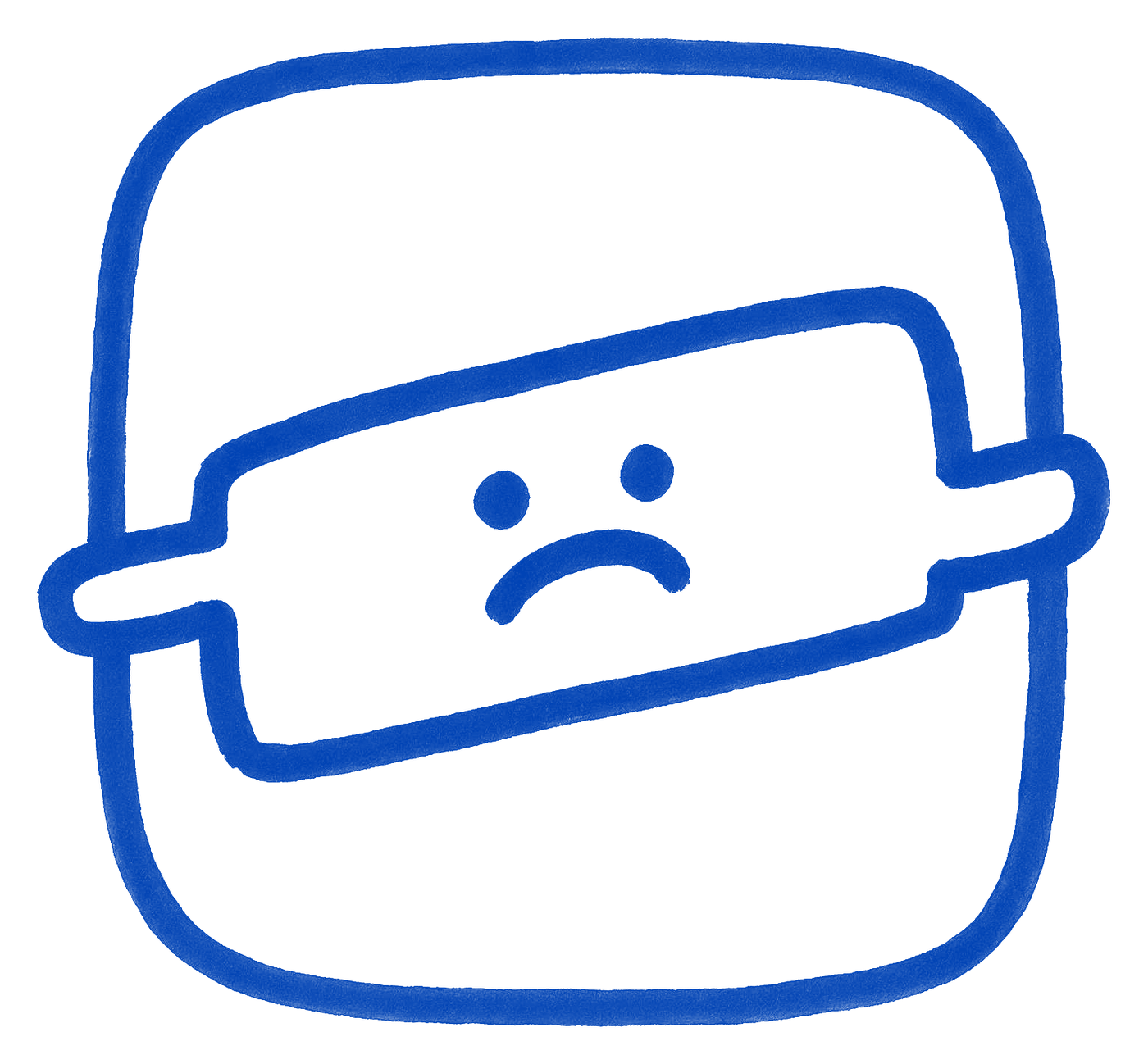
The rules for an app icon are specific: one dominant shape, one or two colors maximum, no wordmark, no thin strokes that disappear at small sizes, no detail that requires more than one reading to understand. iOS rounds the corners automatically, so never add artificial corner radius to the artwork.
Design the app icon separately from the rest of the mark family or it will look like a thumbnail of the full logo. That is the wrong answer and it is visible on the App Store from ten meters away.
Favicon, the variant that lives at sixteen pixels
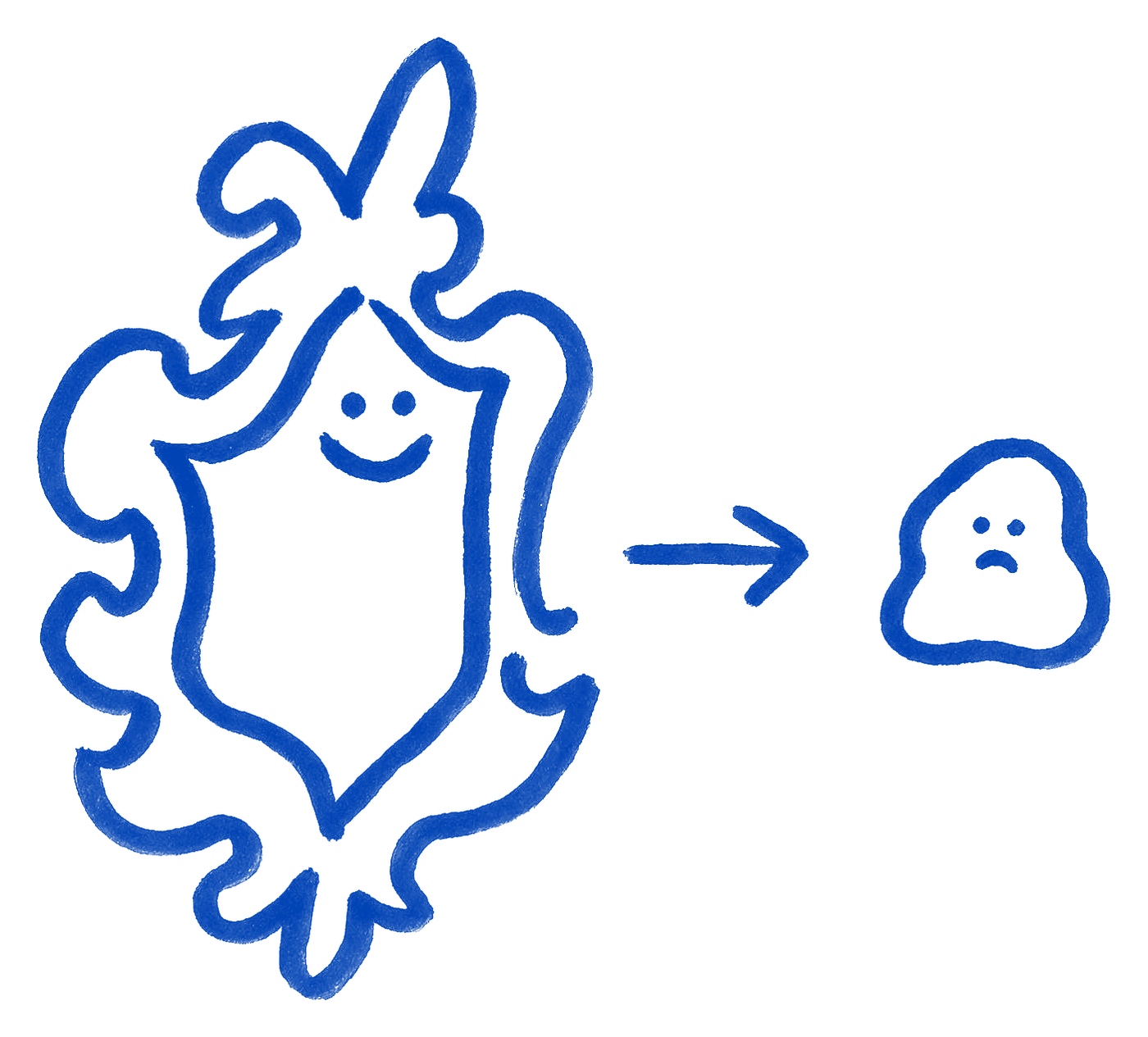
A favicon has to read at sixteen pixels in a browser tab, next to the page title, competing with every other tab the user has open. Most logos are two or three details too complex to survive that reduction.
The fix is a purpose-built favicon variant, usually a single initial, a single simplified glyph, or a single geometric shape pulled from the mark. Design it at sixteen by sixteen pixels, verify it at thirty-two by thirty-two, and confirm it reads when desaturated to grayscale.
Forcing the full wordmark or the full primary mark into a sixteen-pixel favicon is the most common and most visible logo variant failure on the web. It announces that the identity system was never finished.
Social avatar, the circle crop that breaks half of them
Every major social platform crops the profile avatar to a circle. Instagram, X, LinkedIn, Threads, TikTok, all of them. A square mark deployed as an avatar loses its corners, and a wordmark deployed as an avatar loses its left and right thirds inside the crop.
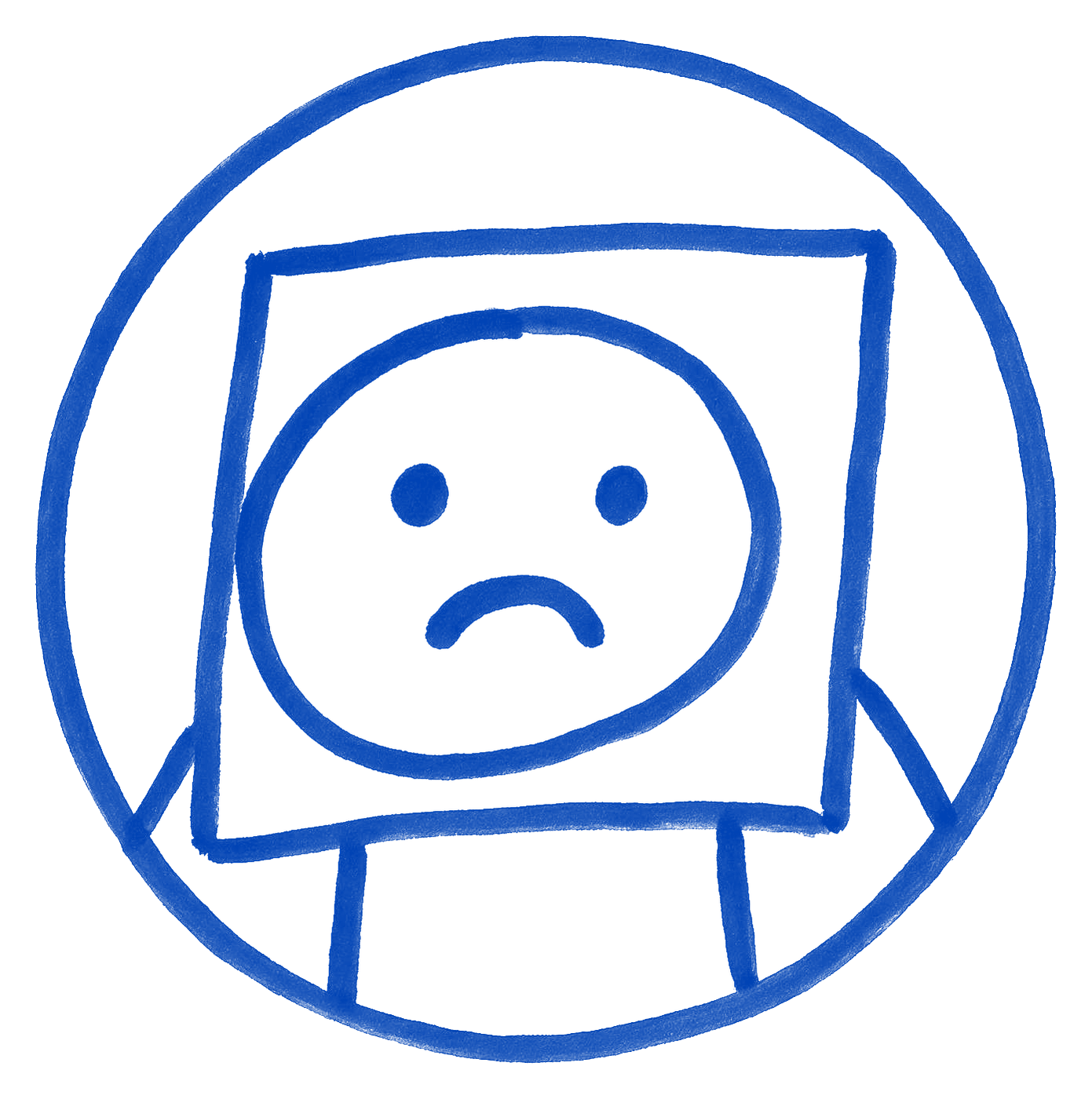
The social avatar variant is designed for a circle from the start. That means centering the mark or monogram inside the circle with enough padding that no visual element gets clipped, and testing the avatar at the actual rendered size for each platform.
The test is direct: export the mark as a circle at forty pixels. If you cannot identify the brand in under a second, the avatar variant needs a purpose-built version, not a reframe of the existing file.
Motion sting, the variant most teams forget exists
A motion sting is a short two-to-four-second logo animation built for video intros, product launches, presentation openers, and social reels. In 2026 it is no longer optional for any brand that ships video, which is most brands.
The motion sting is not a spinning logo. It is a considered animation that expresses the brand's personality in the same way the static mark does: deliberately, consistently, and with a point of view. Linear's sting is spare and fast. Notion's is soft and weighted. Neither is an accident, and neither was designed after the fact.
A motion sting built at the same time as the rest of the mark family costs a fraction of what it costs to retrofit one later. Build it in at the system stage or budget for the awkward conversation six months after delivery.
The minimum viable subset for a small brand
Not every brand needs all eleven variants. The minimum viable subset for a small brand is five.
| Variant | Why It's Non-Negotiable |
|---|---|
| Primary | Default mark for every brand touchpoint |
| Secondary | Covers the surfaces the primary cannot reach |
| Mark-only | Scales into product and merch without redesign |
| App icon | Required for any digital product presence |
| Favicon | Required for any web presence |
Five variants cover the critical failure points: the too-narrow surface, the product UI context, the browser tab. That is the floor. Add the social avatar if the brand has active social profiles. Add the motion sting at the six-month mark when the brand is shipping video.
The full system for a scaled brand
The full system for a scaled brand is all eleven variants, each with three rules attached: a clear-space rule, a minimum-size rule, and a color-flexibility rule. These rules are what make a family a system instead of a folder of files.
Clear-space rules define the no-fly zone around each variant. Minimum-size rules define the smallest the mark can run before it becomes illegible. Color-flexibility rules define the approved fills for each variant across light, dark, and single-color contexts.
Without these rules, even a complete eleven-variant family degrades in production. For the structural logic behind this, see brand identity guidelines and logo grid construction.
Real systems worth studying: Linear, Vercel, Stripe, Notion, Anthropic
Linear, Vercel, Stripe, Notion, and Anthropic all ship public brand mark systems with most of the eleven variants, and pulling each one apart teaches the rules better than any guideline document.
Linear anchors on the L monogram and a wordmark. The mark is a single geometric shape with no ambiguity, which is why it survives at any size without modification. The motion behavior is fast and directional, matching the product's positioning exactly.
Vercel is built on the triangle mark, one of the few tech marks that survives sixteen pixels without a purpose-built reduction. The triangle is the favicon. The triangle is the app icon. The system is consistent because the mark was designed for consistency before anything else was designed.
Stripe leads with the wordmark, which is a deliberate call for a brand where the name carries the trust signal. The S monogram exists and holds up, but Stripe leads with the wordmark because brand recognition is mature enough to support it. The sequence matters.
Notion ships a public system with the N monogram, wordmark, and app icon all documented. The app icon is the monogram on a white background. It is clean, it works at every size, and it was clearly a system-level decision, not an afterthought.
Anthropic leads with the wordmark and the A monogram. The monogram is simple enough to survive a favicon without modification. The system is spare, which matches the brand's positioning as a serious research organization, not a consumer product.
Studying these systems is not about copying aesthetics. It is about reading the decisions behind the variant choices and understanding why each brand weighted the family the way it did.
The five common screw-ups and the fix
Most logo variant sets fail in five specific places, and the fixes are surgical.
| Screw-up | Fix |
|---|---|
| Wordmark forced into a square favicon | Build a purpose-built favicon at sixteen pixels, one glyph only |
| Mark too detailed at app icon size | Simplify to the dominant shape before applying to app icon |
| Social avatar deployed as a square export | Design the social avatar inside a circle from the start |
| Primary lockup used in every context | Define secondary use cases before delivery, build the secondary lockup |
| No motion sting because "we will do it later" | Commission the sting at identity delivery, not six months after |
None of these failures are hard to fix at the design stage. All of them are expensive to fix after the identity has shipped and the client has deployed the broken variants across every touchpoint they own.
A pre-handoff checklist for any variant set
Run this on every logo variant set before it ships to a client.
- Primary lockup: minimum-size rule defined, clear-space rule defined, light and dark color variants included
- Secondary lockup: covers at least one orientation or context the primary does not serve
- Monogram or wordmark: minimum-size rule defined, single-color version included
- Mark-only: works in isolation at minimum size, minimum-size rule defined
- Horizontal and stacked: both orientations present
- App icon: verified at twenty-nine pixels and one-eighty pixels, no artificial corner radius, no wordmark
- Favicon: verified at sixteen pixels and thirty-two pixels, reads in grayscale
- Social avatar: designed inside a circle, verified at forty pixels for each major platform's crop diameter
- Motion sting: delivered at two seconds and four seconds, light and dark color modes minimum
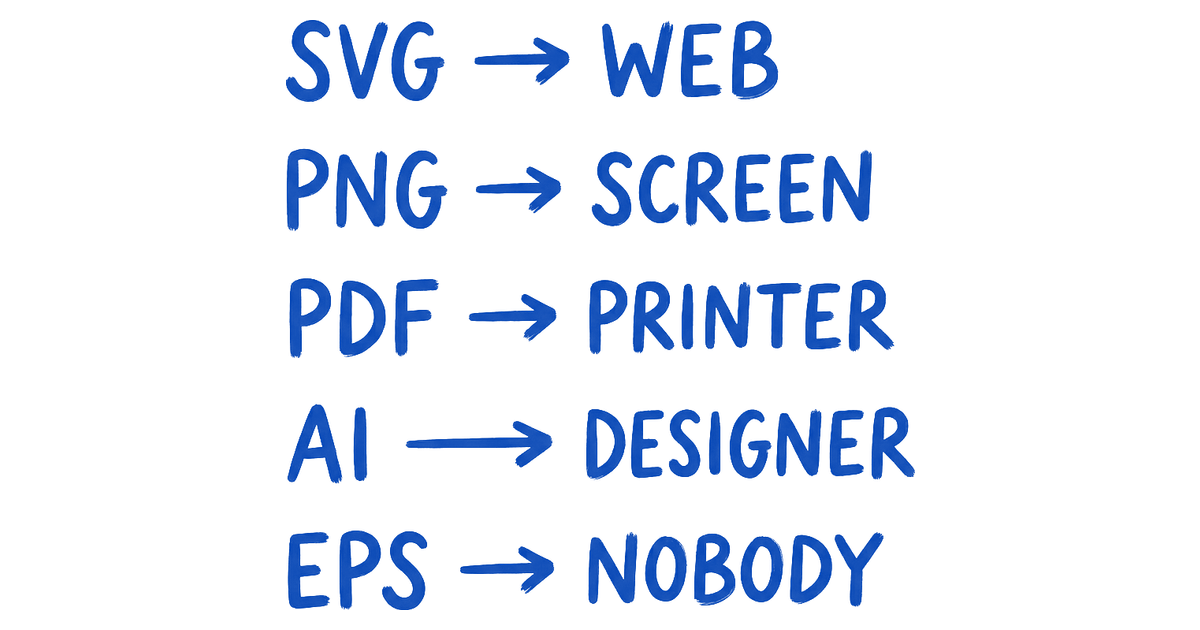
- All variants: consistent file naming, delivery formats confirmed (SVG, PDF, PNG at 1x and 2x)
A checklist this specific catches the failures that turn a clean identity into a brand mess in production, before the client has a chance to deploy anything.
FAQ
What is the difference between logo variants and logo versions?
Logo variants are purpose-built marks for specific surfaces and contexts: the mark-only, the app icon, the favicon, the social avatar. Logo versions are color modes of the same mark: light, dark, single-color. Both are part of a complete system, but they solve different problems. Variants are about surface and function. Versions are about color context and reproduction.
How many logo variants does a startup actually need at launch?
Five is the minimum: primary, secondary, mark-only, app icon, and favicon. If the brand is launching a web product with active social profiles, add the social avatar. Skip the motion sting at launch if budget is constrained, but build it into the six-month roadmap before the brand ships its first video.
Can the app icon and the social avatar share the same file?
No. The app icon lives in a rounded square container at specific pixel dimensions and competes with other app icons. The social avatar lives in a platform-imposed circle and competes with profile photos. The sizing, padding, and visual weight requirements are different for each surface. One file for both is a shortcut that makes both look unfinished.
What makes a good motion sting?
Short, intentional, and brand-specific. Two to four seconds. A clear start and end state. Motion behavior that matches the brand's personality: fast and spare for product brands, soft and weighted for more human brands. The worst motion stings are spinning logos with lens flares. The best ones look like the logo was always meant to move.
How do I know if my logo will survive as a favicon?
Test it before delivery. Export the mark as a sixteen-by-sixteen-pixel PNG and view it in a browser tab alongside five other tabs. If you cannot identify the brand in under a second, you need a purpose-built favicon. The test takes five minutes and catches the most common and most visible logo variant failure on the web.
Where logo systems are heading next
The next move in logo systems is variable, responsive, and motion-aware. Brands are beginning to build marks that adapt not just to surface size but to context: the mark that shifts visual weight in dark mode, the wordmark that condenses for mobile without a separate static file, the symbol that simplifies at small breakpoints by design rather than by accident.
Variable font technology is already shaping wordmark design. Motion-first brands are designing the sting before the static mark, then deriving the static version from the motion behavior. The brands building a complete variant family in 2026 are the ones positioned to plug into these systems when they become standard practice.
A logo is not a single mark. It is a family of marks built to survive every surface a brand lands on. The brands that understand this now are the ones that will still have a coherent identity when the surfaces change again.
Want a brand mark family that survives every surface from a sixteen-pixel favicon to a two-second motion sting? Brainy ships full identity systems with every variant a real brand needs, no template bundles, no half-built sets. Hire Brainy.
Now I'll write this to the actual file.
Want a brand mark family that survives every surface from a sixteen-pixel favicon to a two-second motion sting? Brainy ships full identity systems with every variant a real brand needs, no template bundles, no half-built sets.
Get StartedGet new papers by email
New Brainy papers in your inbox. Confirm once, unsubscribe anytime.