
The Editor's Eye: A Designer's Manifesto for the AI Age
Generation is free now. Infinite mockups, infinite variants, infinite output. The new craft is editing. A working manifesto for designers in 2026, the historical pattern that predicted this, the four moves of the editor's eye, and why selection is the only durable advantage left.
Generation is free now. Make peace with it. A designer in 2026 can ask Claude or Cursor or v0 for fifty variants of a hero section in less time than it takes to refill a coffee, and the variants are good. The production layer that used to separate a working pro from a hobbyist collapsed in eighteen months, and most of the field is still mid-panic about what that means.
This is the manifesto. When generation becomes free and infinite, the locus of design moves up-stack from making to editing. The new craft is selection, refinement, and judgment. The eye that picks, kills, refines, and reframes is the only durable advantage a designer has left, and the field has not named it yet. We are naming it the editor's eye, and we are arguing it is the whole job.
Generation is free now. Make peace with it.
Stop fighting the wrong fight. Every "AI will not replace designers" post on LinkedIn is a designer arguing with a tide. The production layer is gone. Layout, components, variants, palettes, type pairings, motion, the whole catalog of moves that used to take a week now takes a prompt. That is the floor of 2026 and it is not moving back.
The right fight is up-stack. Not whether AI ships the work, it does. Not whether designers are still needed, they are. The right fight is what designers do when production is free and the bottleneck moves to selection. Most fields already answered this question. Design is just late to ask it.
Every creative field moves the same way
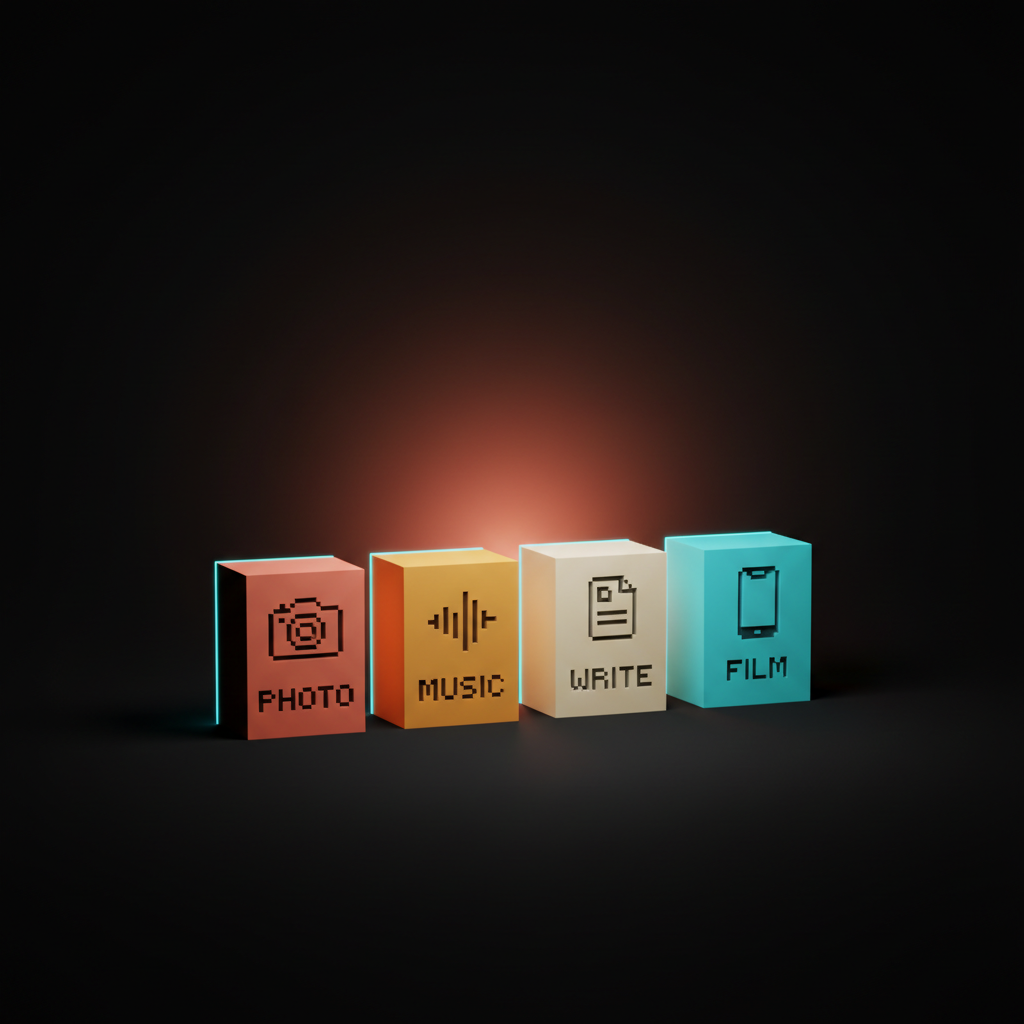
Photography moved when Kodak shipped the consumer camera. Music moved when GarageBand shipped on every Mac. Writing moved when WordPress shipped a CMS for free. Film moved when the iPhone shipped a 4K camera. Each time, the same thing happened. Production cost collapsed, the field flooded with output, and the value migrated from making to selecting. Four collapses, four migrations, four times the same answer. Design is the fifth.
The pattern, in four short stories
Kodak put a camera in every pocket and the world filled with photos. The photographer who stayed valuable was not the one with sharper gear. It was the one with the eye to walk through a thousand frames and pull the one that earned the wall. The medium got cheap. The editor got expensive.
GarageBand put a studio on every laptop and Rick Rubin sold five hundred pages on listening before judging and cutting before adding. The Creative Act is the editor's eye in book form. He was naming the muscle before AI made it the only craft left.
WordPress made publishing free and the writers who kept their seat were the ones who could read their own draft like a stranger and cut a third without flinching. The iPhone shipped a 4K camera in two billion pockets and the filmmakers who survived sit at a timeline cutting twelve hours into ninety minutes that hold tension.
Four fields. Same arc. No exceptions. Production got free. The cut became the craft.
Design is the next domino, and 2026 is the drop
Figma Make ships components from frames. Cursor ships features from intent. v0 ships pages from a paragraph. Lovable ships apps from a sentence. Bolt stands up a stack in a session. Claude Code ships pull requests on a real repo. Midjourney ships imagery faster than the brief gets written. Each of these existed in some form before 2026. What broke is they all matured at once.
The result is the same drop the other fields took. Production is free. The field floods with output. The value migrates up. Designers who do not move up-stack become commodity output factories competing on price. Designers who do move up become editors and charge for the eye, not the variant count.
That is not a forecast. It is the same script photographers, musicians, writers, and filmmakers already ran. We get to skip the surprise and just do the work.
Editing is the new craft. Name it that.
Editing in design is not pruning at the end. It is the whole job. Cutting variants until the right one is obvious. Ranking work against itself and against history. Refining the chosen piece until it is the cleanest version of the idea. Framing the brief so the work pointed at the right problem. Owning the WHY in language clear enough that a junior, a client, or a model can hear it and align.
A designer who edits operates above the model. The model produces, the editor selects. The model proposes, the editor disposes. The model is fast, the editor is right. That stack is the role that survives, and the field needs to start naming it out loud.
This is the answer underneath taste is the last moat and designing in code. Taste is what fires when the editor's eye runs. Code is the surface the editor edits on. The editor's eye is the muscle behind both.
The editor's eye, defined in four moves
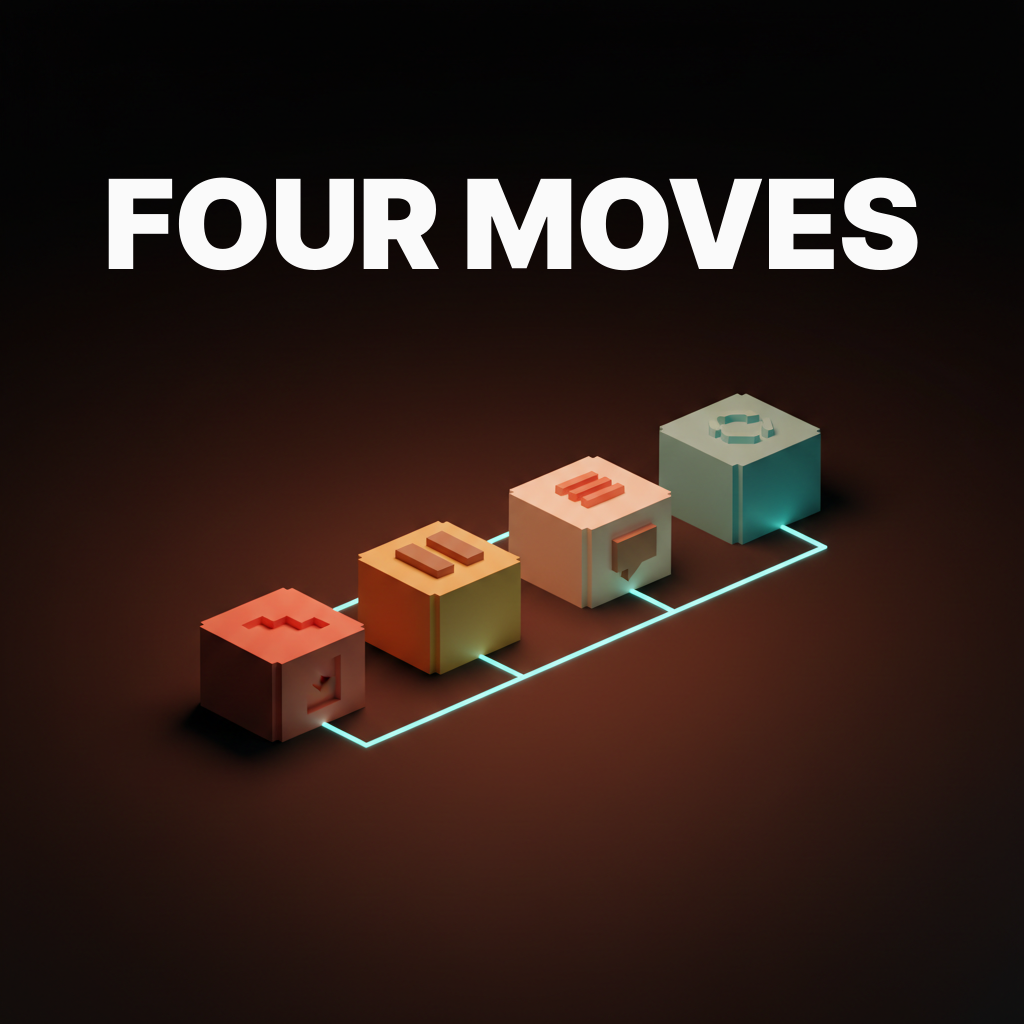
The editor's eye is not a feeling. It is a muscle. It gets trained on four moves done deliberately on every piece of work. Reduction, comparison, articulation, reframing. Run all four on every project and the eye compounds in months. Run none and the AI ships polished work for everyone and you have nothing to bring to the table that the model did not already do.
Move one, reduction
Cut until it breaks. Restore the smallest element that fixes it. The version that survives is the floor, and the floor is what you ship. Rick Rubin runs this on records, taking parts out until the song collapses, then putting back only what brings it alive. Dieter Rams ran it on the Braun T3 radio and sixty years of furniture. Less but better was a working method, not a slogan. Jony Ive built a thirty-year career on it at Apple and runs it at LoveFrom.
The first hundred reductions are clumsy. The five-hundredth is taste in language form. AI hands a designer eighteen variants, and reduction is what kills seventeen of them with confidence and ships the one with the language to defend it.
Move two, comparison
Hold candidates side by side. Never accept a single option as the answer. The eye learns from the gap between two pieces, not from looking at one. A designer who only sees what they made cannot tell if it is good. A designer who places it next to three references and the previous version sees the gaps in two seconds.
Comparison is the move AI makes effortless and most designers still skip. The model hands you twelve variants in a minute. Lay them out. Hold them next to the brief. Hold them next to the best work in the category. Choose with reasons. Brian Chesky ran a tight library of products he believed in at Airbnb and made the team articulate the differences between each one. That is comparison as a daily practice, and it shaped a billion-dollar product.
Move three, articulation
Write down the WHY. The designer who cannot say in a sentence why the work works has not built taste, they have built reflex, and reflex breaks the moment a client pushes back or AI hands you eighteen variants.
The practice is small. Every piece you finish, write three sentences. What works and why. What is not working and why. The principle the work is built on. Six months in, you have a written principle library that survived a hundred real projects. Steve Jobs ran this loop in public for twenty years. Every keynote was articulation, the reason the iPod had one button, the reason Apple Park was a circle, the principle behind every no. The model can produce. Only a human can defend.
Move four, reframing
Change the question, not just the answer. Most design problems are stated wrong. The brief asks for a landing page when the company needs a positioning statement. The client asks for a redesign when the surface is fine and the navigation is broken. The PM asks for a settings screen when the product needs a different mental model. The editor's job is to rewrite the brief before producing anything.
Reframing is the highest-leverage move because every variant downstream of a wrong question is wasted output, no matter how polished. AI is brutal at producing volume on a wrong brief. Catch it before the model spends ten thousand tokens on the wrong thing.
If you want help operationalizing the editor's eye into a working practice, hire Brainy. BrandBrainy ships the brand and craft layer AI cannot fake. ClaudeBrainy ships the Skill packs and prompt libraries that turn AI into the production layer under your editorial judgment, not a substitute for it.
Why this protects the designer, not threatens it
AI replaces the production layer. It cannot replace the editor. The model has read every reference and still cannot tell you which one belongs in this room for this audience for this brand at this moment. The editor's eye is the layer above the prompt, and that layer is what the field has been undertraining for fifteen years because production work was paying.
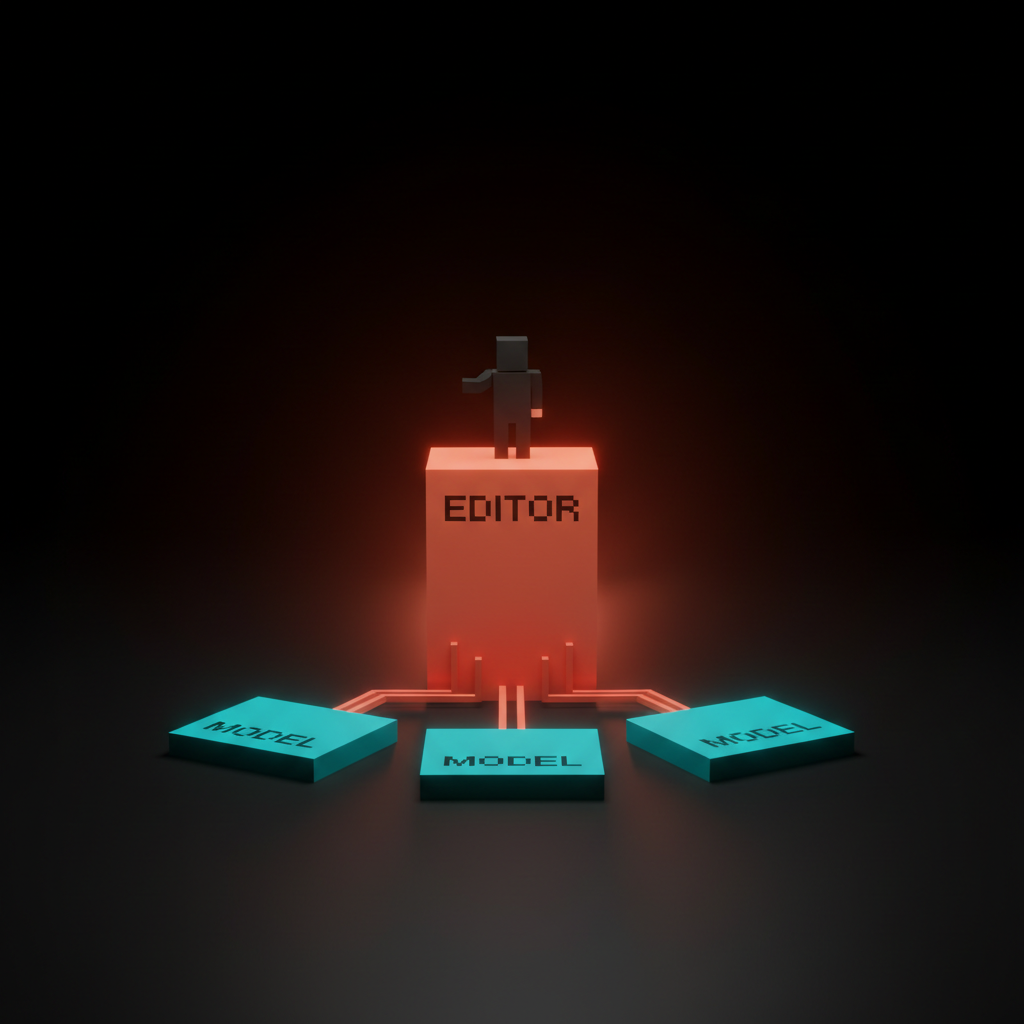
Naming editing as the craft puts designers above the model instead of inside it. Inside the model, you compete on output speed and you lose. Above the model, you direct, select, refine, and reframe, and the model becomes leverage. Naval Ravikant called this judgment as leverage and was right a decade early. The new leverage is not labor, it is the call on what gets shipped, and that call shows up in hiring, AI-augmented design pricing, and across the new design career ladder.
Six rooms, one operating system
Rick Rubin treats listening, comparing, and cutting as the entire craft of music production. Dieter Rams encoded the same idea in his ten principles and shipped sixty years of work on it. Jony Ive built Apple's product line on saying no to a thousand things and runs the same philosophy at LoveFrom. Brian Chesky ran a curation diet at Airbnb. Steve Jobs treated saying no as the actual job. Six rooms, six vocabularies, one operating system. Selection beats production. They already proved the manifesto. We are just bringing it to design with AI in the room.
The teams already running this playbook
Linear's design team treats the codebase as the source of truth and ships pull requests against the running app. Pick the right component, refine it, ship the diff. The artifact is the surface, not the artboard. Vercel runs the same shape across its homepage and v0, and v0 itself is an editing tool. The user prompts. The model produces. The user selects, refines, and ships.
Anthropic builds Claude product surfaces with designers reading and editing real app code, often with Claude Code as the production assistant. Anysphere, the Cursor team, eats its own dog food, with designers working inside Cursor on the Cursor codebase. Four teams. Same shape. AI as production. Designer as editor. The value is the call on what shipped at all.
Stop building production. Start building taste.
The work in 2026 is not learning faster ways to ship more. It is building the editorial muscle that knows what should ship at all. Most designers are still optimizing the wrong layer. Faster Figma, sharper renders, more variants per hour, prettier mockups, all of it is below the cut line in a world where AI does that work for free.
The investment that compounds is up-stack. Run reduction on every piece, comparison on every brief, articulation on every decision, reframing on every problem. Do that for a quarter and the work changes. A year and the rate changes. Five and the career changes. The designers still trying to out-produce the model are betting against tide. The designers running the four moves are riding it.
FAQ
What is the editor's eye in design?
The muscle of selection, refinement, and judgment. It fires when a designer holds candidates side by side, cuts what is not earning its seat, refines the chosen piece, and reframes the question if the brief was stated wrong. Not a feeling. Four trainable moves done deliberately.
Why is editing more important than making in 2026?
Because making got free. AI ships production work in seconds and the field flooded with output. The value moved from making to selecting, the same arc photography, music, writing, and film already ran. Editing is the durable advantage when production is commodity.
What are the four moves of the editor's eye?
Reduction, comparison, articulation, reframing. Cut until it breaks and restore the smallest fix. Hold candidates side by side. Write down the WHY. Change the question, not just the answer.
Does this mean designers need to learn engineering?
No. They need to learn editing. Reading code, editing tokens, and running a dev server help, but the core skill is selection. The model produces, the editor decides.
Will AI replace designers?
AI replaces the production layer. It does not replace the editorial layer. Designers who treat editing as the craft and AI as leverage will be more valuable in 2026 than they were in 2024. Designers still defending production-only work will be priced out by 2027.
What should I learn first?
Reduction. Cut until it breaks on every piece you ship for the next month. The other three moves come easier once the cut muscle is real.
A manifesto worth posting on the wall
Generation is free now. The model ships the layouts, the components, the variants, the palettes, the type, the motion, the whole catalog. That fight is over. The new fight is the eye that picks, kills, refines, and reframes. The editor's eye is the only craft left that scales differentiation, and the field has been undertraining it for fifteen years because production work was paying.
Edit harder than the model produces. That is the whole job now. If you want a place to start, hire Brainy. BrandBrainy ships the brand and craft layer AI cannot fake. ClaudeBrainy ships the Skill packs and prompt libraries that put AI under your editorial judgment instead of above it. The manifesto is not on a wall. It is in the next piece of work you ship.
If you want help operationalizing the editor's eye into a working practice, BrandBrainy ships the brand and craft layer that AI cannot fake, and ClaudeBrainy ships the Skill packs and prompt libraries that turn AI into the production layer under your editorial judgment.
Get StartedGet new papers by email
New Brainy papers in your inbox. Confirm once, unsubscribe anytime.