
Design Engineering: The Hybrid Role That Quietly Took Over in 2026
Design engineering is the role that quietly won 2026. Linear, Vercel, Stripe, Anthropic, Anysphere, Browser Company, and Granola all ship through design engineers. Here is what the role actually is day to day, the skill stack, salary bands by region, and how to break in without faking it.
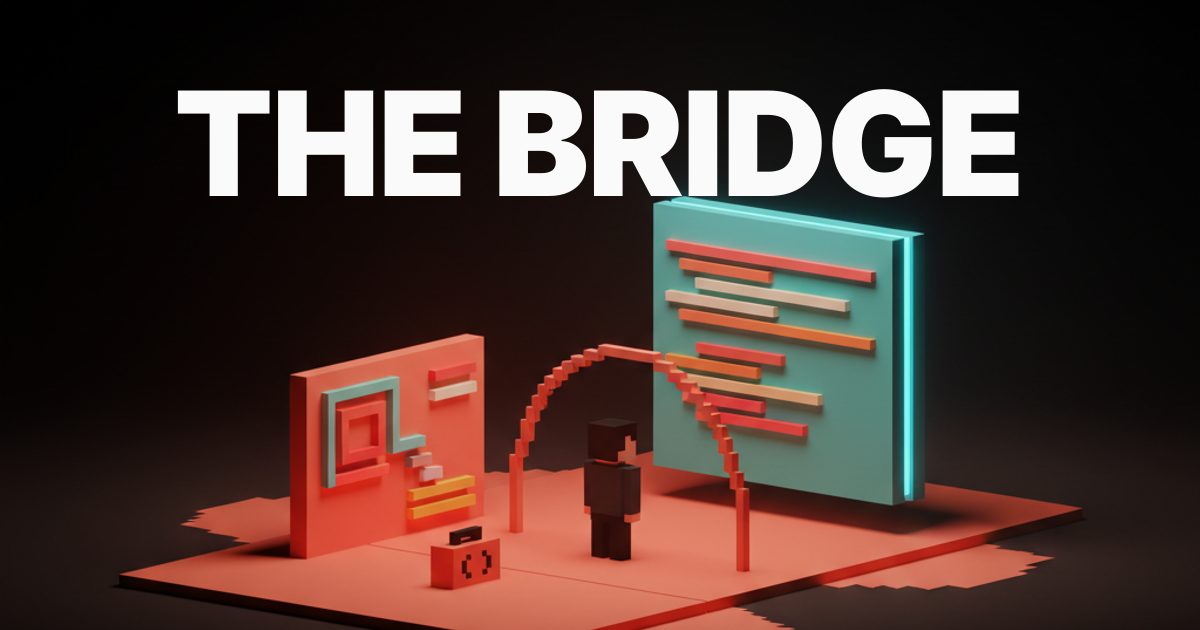
A design engineer is a designer who ships in code and owns the live source of truth for the design system. That one sentence is the entire job.
Every product team that ships fast in 2026 has at least one. Linear, Vercel, Stripe, Anthropic, Anysphere, Browser Company, Granola. Look at any product whose surfaces feel built, not assembled, and you find a design engineer holding the line. The role quietly won this cycle while everyone argued about AI replacing designers.
This piece is a working definition and a playbook for becoming one. What a design engineer does, the skill stack, salary bands, and the four-artifact port stack that gets you a senior interview.
A design engineer ships in code and owns the system
The role compresses three jobs into one person. Designer, frontend engineer, design system maintainer. Not a cost saving, a speed unlock. The handoff, the spec doc, the round trip between Figma and the codebase that used to eat half a sprint, all gone.
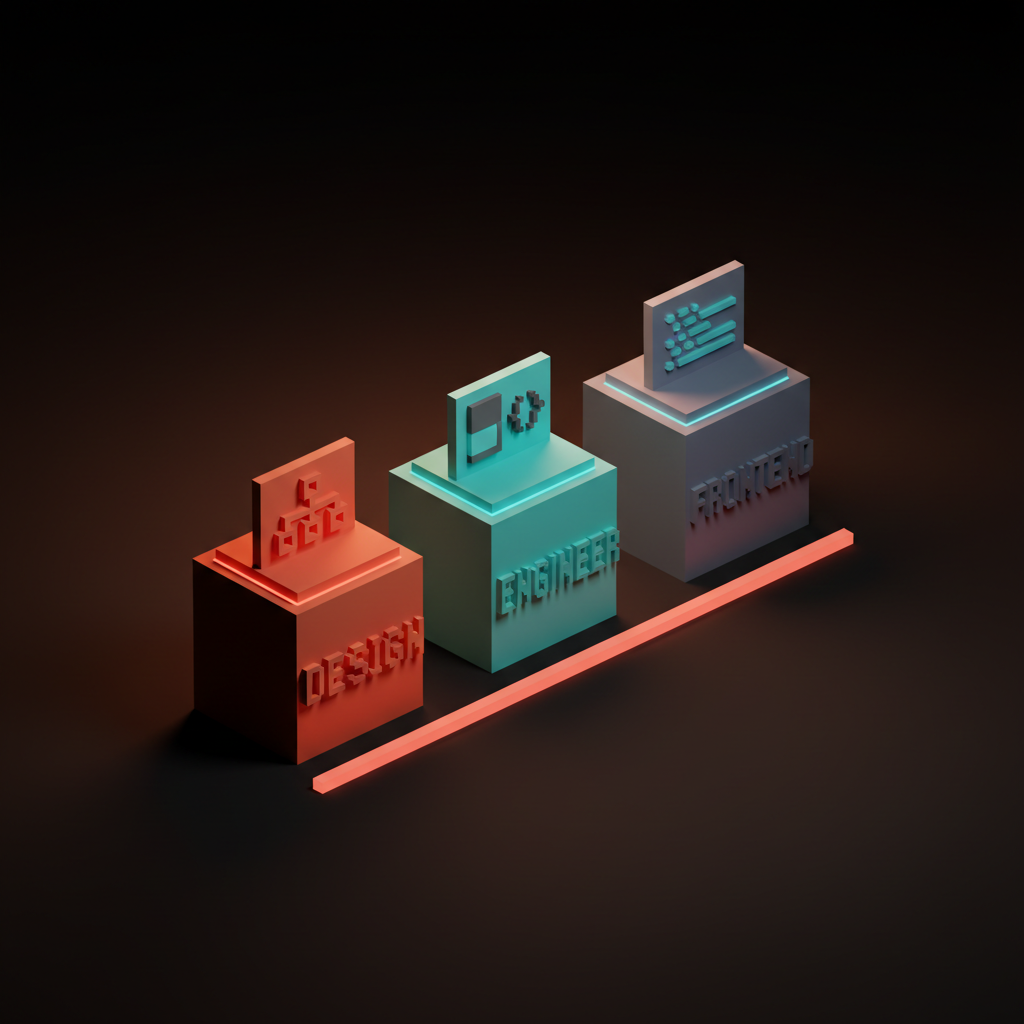
The Figma file is the spec. The shipped component is the deliverable. The design system is the medium. A design engineer treats those three as a single object and writes code that updates all three at once.
That is why the role is hard to fake. A product designer who learned a little React reads as a fancier designer. A frontend engineer who learned a little Figma reads as a duller frontend engineer. A real design engineer ships components that look right, behave right, and slot into the system without three rounds of polish.
Why every fast team has at least one in 2026
The reason is uniform. The named teams want one person who owns visual quality from concept to ship. Hand-off pipelines cost a week per surface. A design engineer cuts that to a day, sometimes a morning.
Linear was the public bellwether, named the role early, hired Rauno Freiberg as a public face. Vercel followed with v0 and Geist. Stripe ran the role under different names. Anthropic, Anysphere, Browser Company, and Granola all hired into it before their second product designer. The teams that ship fastest in 2026 chose the role first.
A day in the life of a design engineer
The day splits across three surfaces. The design system in code, a shipping product surface, a small set of cross-team conversations.
Morning. Open a PR for a new Button variant. Update the Tailwind config, the variant map, the Storybook entry, the Figma library link. Merge, ship. The company gets a new button before standup.
Midday. Pair with a product designer on a dashboard surface. Translate the Figma layout into JSX live, ask sharp questions about empty state and error state, deploy a preview URL. Hour and a half. The file becomes a real surface in users' hands by end of day.
Afternoon. A staff engineer wants to refactor the layout primitives. A PM wants a marketing page shipped this week. The design engineer routes between them, defends the system where it matters, and ships the marketing page in the gaps. Part craft, part diplomacy.
Design engineer vs product designer, the actual difference
The product designer hands off. The design engineer ships. That single difference cascades.
A product designer's deliverable is a Figma file. The design engineer's deliverable is a deployed URL. A product designer's review surface is a Figma comment, the design engineer's is a GitHub PR. A product designer's iteration cycle is days, the design engineer's is hours.
Both roles need taste. Only the design engineer has to defend that taste in code, in production, against real users on real devices. Taste plus shipping is a rarer combination than taste alone, and the senior bar reflects it.
Design engineer vs frontend engineer, the actual difference
The frontend engineer owns the codebase. The design engineer owns the design system inside the codebase, and is the only one of the two with real visual taste.
A frontend engineer ships features, optimizes for performance, correctness, edge cases. A design engineer ships surfaces, optimizes for visual quality, motion, and the feeling of the product. Both ship code. Only one cares whether the spinner spins at the right speed.
The skill stack, what the role actually requires
Six skills stacked. Miss any one and the role degrades into either a fancier designer or a duller frontend engineer.
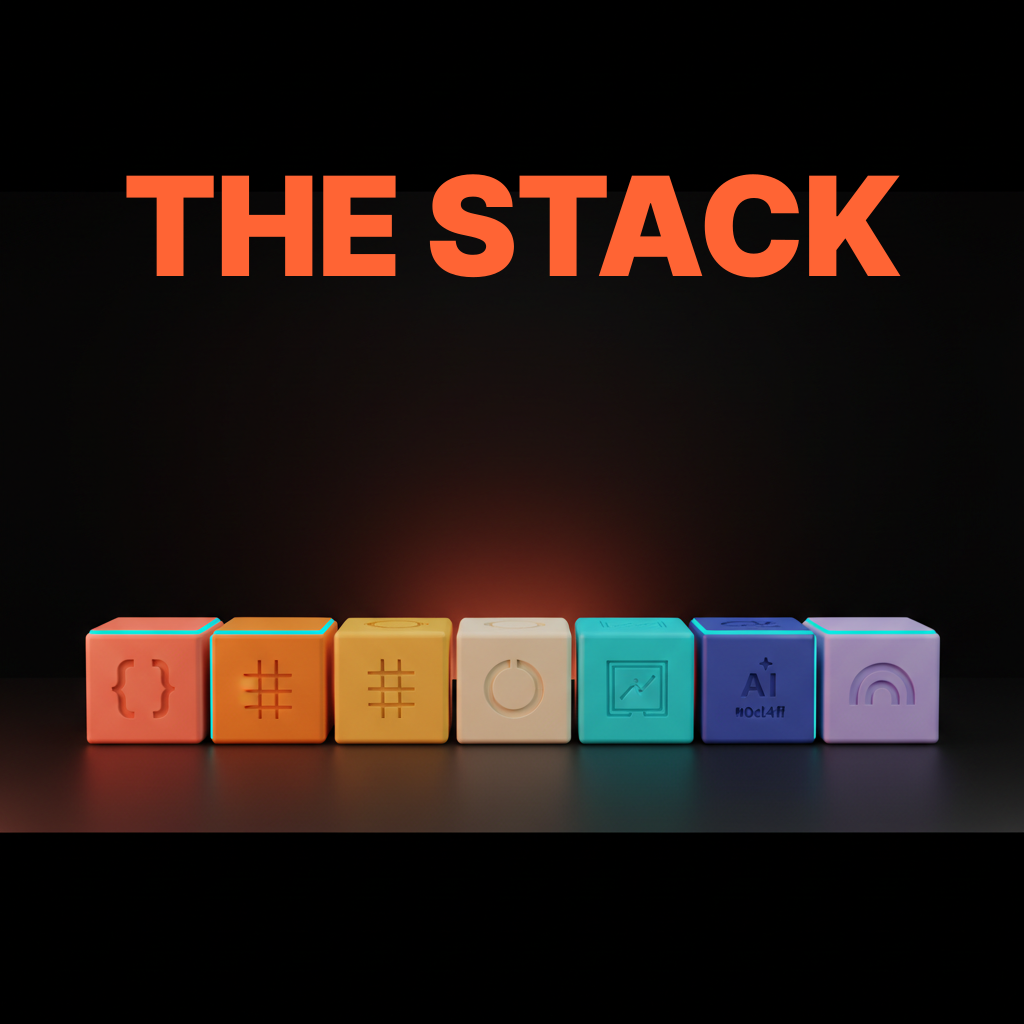
React. Tailwind. Design systems. Figma. An AI editor like Cursor or Claude Code. Motion. The named teams hire against this list, sometimes loosely, never absently.
React and Tailwind are the floor
React plus Tailwind is the floor, because that is the stack the named teams ship on, and the floor means writing components, not just reading them.
The bar is not React expert. The bar is, can you write a Card with three variants, a loading state, a disabled state, and an empty state, and ship it without an engineer review. If yes, you clear the floor. If you can read code but not write past a certain point, you are not there yet.
Tailwind matters because every named team uses it or a close cousin. Class-based styling collapses the token problem into the component, and a design engineer reads the spacing system, the color system, and the type system out loud through Tailwind classes.
Design systems as live source of truth
A design engineer treats the design system as a live source of truth, not a Figma file. That single mental shift separates the role from every neighbor.
The Figma library is downstream of the codebase. The component shipped in production is canonical. Most companies still run this backwards. The named teams flipped the arrow, and the design engineer maintains the flip.
A live source of truth means versioned components, semantic tokens, working dark mode, motion specs, accessibility states, and a Storybook that is actually used. Not a vibe, a contract.
Figma fluency, but as the spec, not the deliverable
A design engineer is fluent in Figma but does not treat the file as the deliverable. The deliverable is the shipped component.
Fluency means knowing variants, auto-layout, component properties, and reading another designer's file in under five minutes. It does not mean three days nudging pixels. The Figma file is a fast spec, and a fast spec is rough, not polished. The shipped surface carries the polish. The file carries the intent.
An AI editor is now part of the stack
Every design engineer hired at the named teams ships with an AI editor in the loop. Cursor or Claude Code most often. Part of the stack, not optional.
The reason is throughput. A design engineer running Cursor or Claude Code ships three to five times the surface area per week of one running a vanilla editor. Scaffold variants in seconds, generate Storybook entries, translate a Figma frame into JSX in a single pass. Not magic, just a tool change that reset the floor. If you have not used vibe coding workflows yet, the gap is closing fast.
Motion and micro-interaction taste
A design engineer who cannot do motion hands the most expensive parts of the product back to engineering. Modern teams do not hire that.
Motion is a small set of skills. Framer Motion. Tailwind animation utilities. CSS transitions. A working sense of easing curves, durations, and when motion is signal versus noise. Emil Kowalski's site is the cleanest public reference for the bar.
Micro-interactions matter for the same reason. Hover, press, focus ring, toast. Each is a tiny taste signal. A product full of them feels built. A product missing them feels assembled.
The named teams hiring design engineers right now
Linear, Vercel, Stripe, Anthropic, Anysphere, Browser Company, Granola all run design engineering as a named role. Public rosters and job posts make the bar undeniable.
Linear's team built the product whose visual quality nobody could catch for three years. Vercel built v0, Geist, and the marketing surface through design engineers. Stripe Press and the product UI are both design engineer territory. Anthropic ships claude.ai the same way. Anysphere ships Cursor with the same approach. Browser Company built Arc and Dia surface by surface. Granola is the cleanest small-team example of the role done well.
If you want help building the craft and AI workflow layer that gets you on these teams' radar, hire Brainy. BrandBrainy ships the brand and craft layer that AI cannot fake. ClaudeBrainy ships the Skill packs, prompt libraries, and AI editor workflows that turn a designer into a shipping design engineer.
The named designer-engineers worth studying
A short list. Brian Lovin ran a public design log and shipped GitHub for years before the role had a name. Rauno Freiberg made Linear's interaction work the public reference. Jordan Singer ships small public products faster than most teams ship one. Jared Palmer built component libraries that shaped the floor for a generation. Emil Kowalski set the motion bar.
Read their sites, read their code, read what they ship. The bar is set in public, not in private interview rubrics.
Salary bands by region in 2026
Design engineering pays well above product design and roughly at parity with senior frontend engineering at named teams. Bands compound by region.
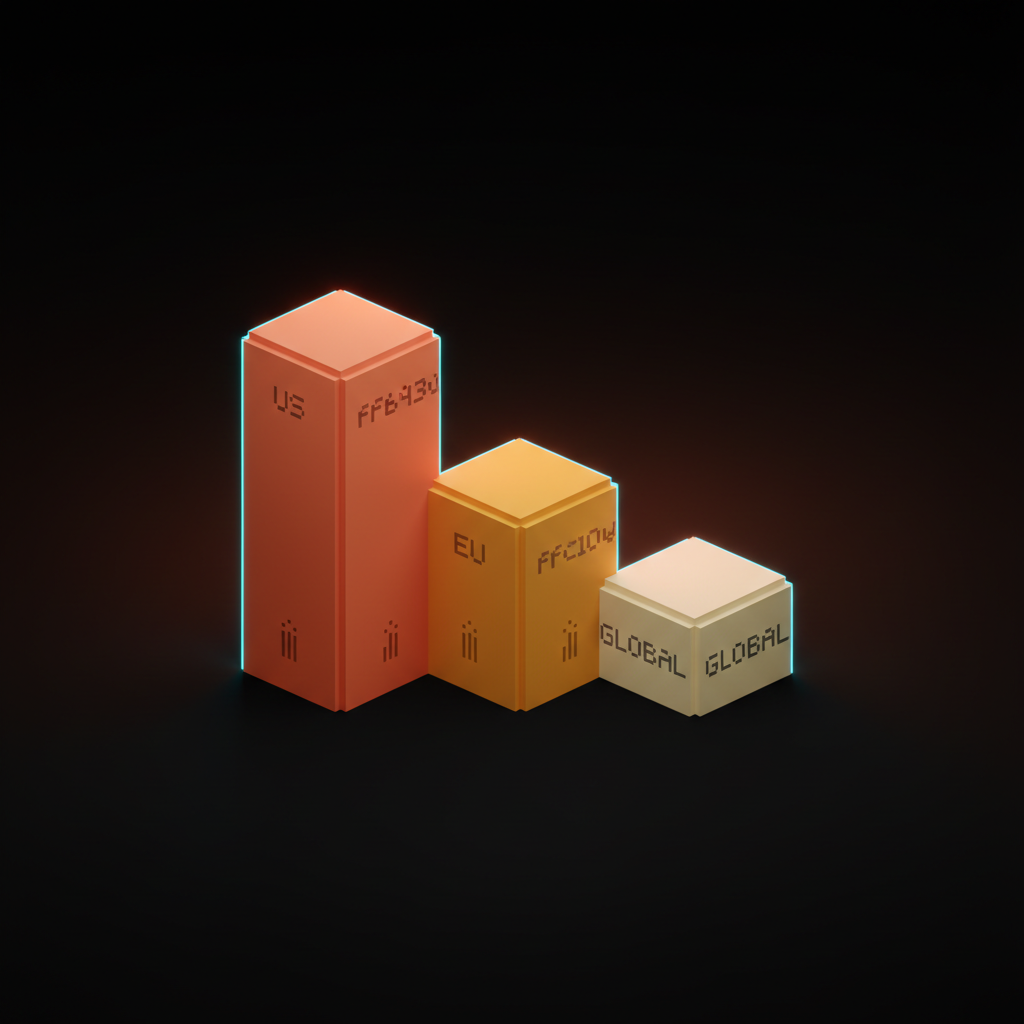
US senior, 220 to 350k total comp at named teams. Staff and above clears 400. Top of the band sits at Stripe, Anthropic, Anysphere.
EU senior, 110 to 180k euro at named teams' EU offices and fast-growing EU startups. London skews higher, Berlin and Amsterdam mid-band.
LATAM and SEA bands are scaling fast. Senior design engineers in Brazil, Mexico, the Philippines, and Vietnam working remote for US companies clear 80 to 140k USD, with top performers at named teams clearing 180. Local-only roles are a fraction of that.
The right company pays a design engineer like a senior frontend engineer. The wrong company pays them like a senior product designer. That gap is the entire reason the role choice matters.
How to break in without faking it
Four artifacts in a port stack, a public trail, a small set of named tools. No bootcamp required.
Artifact one. One shipped product with a live URL and real users. A Chrome extension, a small SaaS tool, a Claude Skill. This sits on the new design career ladder and the anti-portfolio playbook.
Artifact two. A small public component library on GitHub. Five to ten components, real variants, real tokens, Storybook, deployed live. Does not have to be popular. Has to exist, be readable, be shipped.
Artifact three. A decision log. Three to five posts on real choices made on the product or library. Three paragraphs each. Reads as taste in a way no case study does.
Artifact four. A motion demo. A single page or component that shows real motion work. Ship it as a Vercel preview, link it from the readme. Two hours of work, one of the highest signal screens in the senior interview.
The trail. A public Are.na or X presence with weekly cadence. A pinned post linking the four artifacts in one tap. Consistency, not virality.
The honest part, ambiguity and the wrong companies
Design engineering is ambiguous, undervalued at companies that do not get it, and brutally rewarded at companies that do. The wrong company will eat a year of a good design engineer's career.
The wrong company calls the role design engineer but treats it as a fancier designer or a duller frontend engineer. No real ownership of the system. No shipping authority. The title is a comp downgrade, not an upgrade. Run from this offer.
The right company names the role, gives it a public face, and lets it report into design leadership or peer with staff frontend engineers. The system is owned. Shipping authority is real. The comp band matches senior frontend engineering. Pick the company carefully, the asymmetry is the whole story.
FAQ
Is design engineering just a fancier name for frontend engineering?
No. The frontend engineer owns the codebase. The design engineer owns the design system inside the codebase and brings real visual taste. Both ship code, only one cares whether the spinner spins at the right speed.
Can a product designer become a design engineer?
Yes, in six to twelve months of focused work. Build the four-artifact port stack. The ceiling is mostly determined by how fast you ship real components.
Do I need a CS degree?
No. The port stack does the qualifying.
Is the role going to last past 2026?
Yes. AI editors made the role more important, not less. The bottleneck moved from typing speed to taste plus shipping speed, and that combination is exactly the design engineer profile.
What pays more, design engineer or product designer?
Design engineer at the named teams, by 30 to 80 percent. The company choice matters more than the title.
Do this next
Three moves. First, audit your current skill stack against the six in this piece. React, Tailwind, design systems, Figma, an AI editor, motion. Honestly. The gaps are the work for the next quarter.
Second, ship the four-artifact port stack. One shipped product, one component library, three to five decision logs, one motion demo. Six weekends of work, maximum.
Third, target the right company. Read the role description, the engineering blog, the design engineering team's public work. Only apply where the role is real.
If you want help building the brand, craft, and AI workflow layer that gets you onto these teams, hire Brainy. BrandBrainy ships the brand and craft layer that AI cannot fake. ClaudeBrainy ships the Skill packs, prompt libraries, and AI editor workflows that turn a designer into a shipping design engineer. The role won 2026 quietly, the bar is set in public, and the designers and engineers who move now are the ones the named teams are already hiring.
If you want help becoming a design engineer or hiring one, BrandBrainy ships the brand and craft layer that AI cannot fake, and ClaudeBrainy ships the Skill packs, prompt libraries, and AI editor workflows that turn a designer into a shipping design engineer.
Get StartedGet new papers by email
New Brainy papers in your inbox. Confirm once, unsubscribe anytime.