
The Anti-Portfolio: What Hiring Managers Actually Look At in 2026
Designers spend forty to eighty hours building polished portfolios and hiring managers spend ninety seconds skimming them. Here is what hiring managers actually look at in 2026, what they never read, and the two-weekend artifact list that builds a hiring presence designers cannot ignore.
A designer building a portfolio in 2026 spends forty to eighty hours on it. The hiring manager opening that portfolio spends ninety seconds. That ratio is the entire problem.
The modern design portfolio is dying as the hiring signal that matters. What is replacing it: a public taste trail, one shipped product, one decision log, one piece of writing, a small GitHub, a Claude Skills repo, and a Threads or Twitter or IG presence. Smaller artifacts, realer evidence, fraction of the Behance build cost.
This piece names what hiring managers actually look at in the ninety-second skim, in the thirty-minute deep review, what they never read, the named teams setting the bar, and the two-weekend artifact list.
The portfolio is dying as a hiring signal
A 2018 portfolio was a frame. It collected best work, polished it, presented it as proof. That worked when shipping a screen took a week. It does not work in 2026, when AI ships the screen in an afternoon and the bottleneck is judgment, taste, and shipping speed across whole products.
Hiring managers know this. The good ones shifted. The signal moved from polish to evidence, from rendered case study to shipped product, from twelve-page deck to public trail. Designers who did not shift are sending forty-hour artifacts into a ninety-second filter and wondering why nothing lands.
The cost of getting this wrong is brutal. A junior who spends a year polishing six concept projects on Behance is a year behind a junior who shipped two real products with rough edges.
What hiring managers actually do in ninety seconds
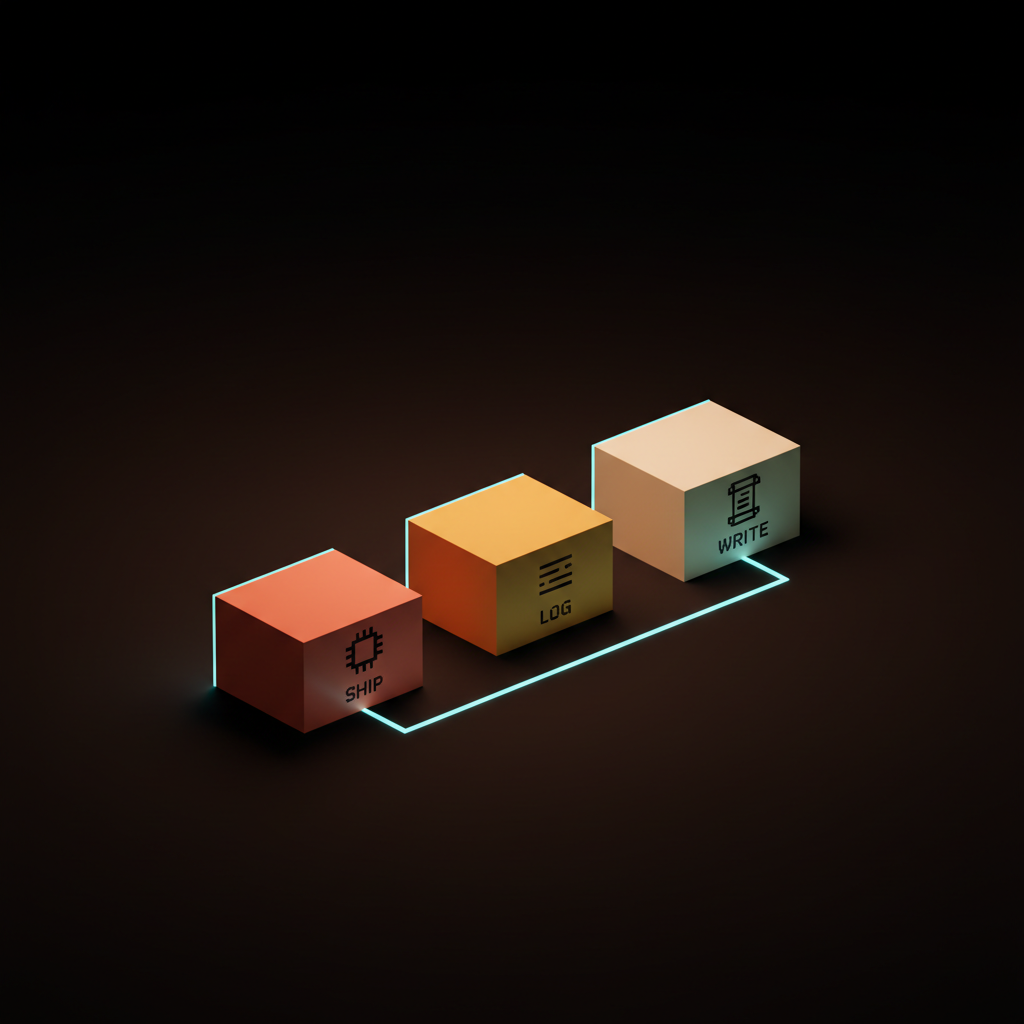
The skim is consistent across teams. A hiring manager opens the link, scans for three signals, closes the tab. The call-back decision happens before most case study heroes finish loading.
Signal one. One shipped product. Real users, a live URL, evidence of actual usage. Not a mockup, not a concept, not a redesign of a brand they do not work for.
Signal two. One decision log. A short written record of choices on that product. Why this layout, what they cut, what they would do differently. Three paragraphs is enough.
Signal three. One piece of writing. A short essay, a Threads post that went somewhere, a Twitter thread on a real design problem. Anything that signals the designer can think in public.
If all three hit, the deep review opens. If any one is missing, the tab closes. Most portfolios fail on signal two or three because most designers were never told the log and the writing were the point.
One shipped product beats six concept projects
The single most undervalued artifact in 2026 is a real shipped product with real users. A Chrome extension with two hundred users beats a redesigned banking app with zero. A small SaaS tool with seven paying customers beats a Behance-perfect concept for a fictional startup.
Hiring managers can tell the difference instantly. Shipped product has texture, constraints, edge cases, ugly compromises, and a tiny user base that proves it works. Concept work has none of that, which is why it reads as design school output even when the polish is high.
Pieter Levels built nomadlist and remoteok and turned both into hiring evidence stronger than any portfolio. The lesson is not that every designer needs to be Pieter Levels. A small ugly thing in production beats a large beautiful thing in a Figma file.
One decision log beats a polished case study
A decision log is not a case study. No hero shot, no problem statement, no persona, no journey map, no wireframe gallery. It is a short written record of the choices a designer made, why, and what they would do differently.
The log reads as taste in a way a case study deck never will. A case study presents the work as if every choice was inevitable. A log shows the designer thinking, doubting, choosing, and learning, which is the only honest signal of judgment that scales.
Brian Lovin runs his personal site as a public log. So does Robin Rendle. So does Lynn Fisher. Short pages, direct writing, design choices explained in three or four sentences each. Fifteen minutes per project, reads as more senior than a forty-hour case study deck.
One piece of writing signals judgment
A short piece of writing on a real design problem signals taste, judgment, and clarity faster than any portfolio page. Most designers do not have one. The ones who do get the next interview.
The writing does not have to be a treatise. A two hundred word Threads post on why a UI pattern fails. A four hundred word essay on a constraint and how it was solved. A Twitter thread breaking down a competitor's onboarding. The format is not the point. The signal is the designer can think in writing and is willing to be wrong in public.
Hiring managers read the writing first because it is the cheapest filter. Sharp writing, sharp work. Corporate mush, mush work. The correlation is high enough that most senior hiring managers run this filter before opening the portfolio.
The thirty-minute deep review, what they look for next
If the skim hits, the hiring manager opens a thirty-minute review. The criteria sharpen.
First, process clarity. Can the designer explain how they got from problem to ship in a way a non-designer would follow? The decision log carries this. So does a Loom walkthrough. Process clarity reads as senior even when the work is junior.
Second, taste range. Is the work all one shape, or does the designer flex across product, brand, and motion? Range is the cleanest proxy for taste is the last moat at the senior level. A designer who only ships SaaS dashboards reads as one-mode. A designer who shipped a dashboard, a brand mark, a marketing site, and a writing piece reads as range.
Third, speed-to-ship. Public commit history, posts dated week by week, a personal site updated in the last sixty days, all signal velocity. A site untouched since 2023 signals the opposite.
None of these live inside the portfolio template. All of them live in the public trail.
What hiring managers never look at, no matter what
A short list of artifacts every junior portfolio still leads with that no senior hiring manager reads. Skip these in 2026.
Mood boards. Process artifact, not a hiring artifact. No one cares which Pinterest pins inspired the project. They care what shipped.
The twelve-page Behance case study deck. Hero, problem statement, persona, journey map, wireframe gallery, mood board, mockup grid, final shot. Fatal in 2026, more on this below.
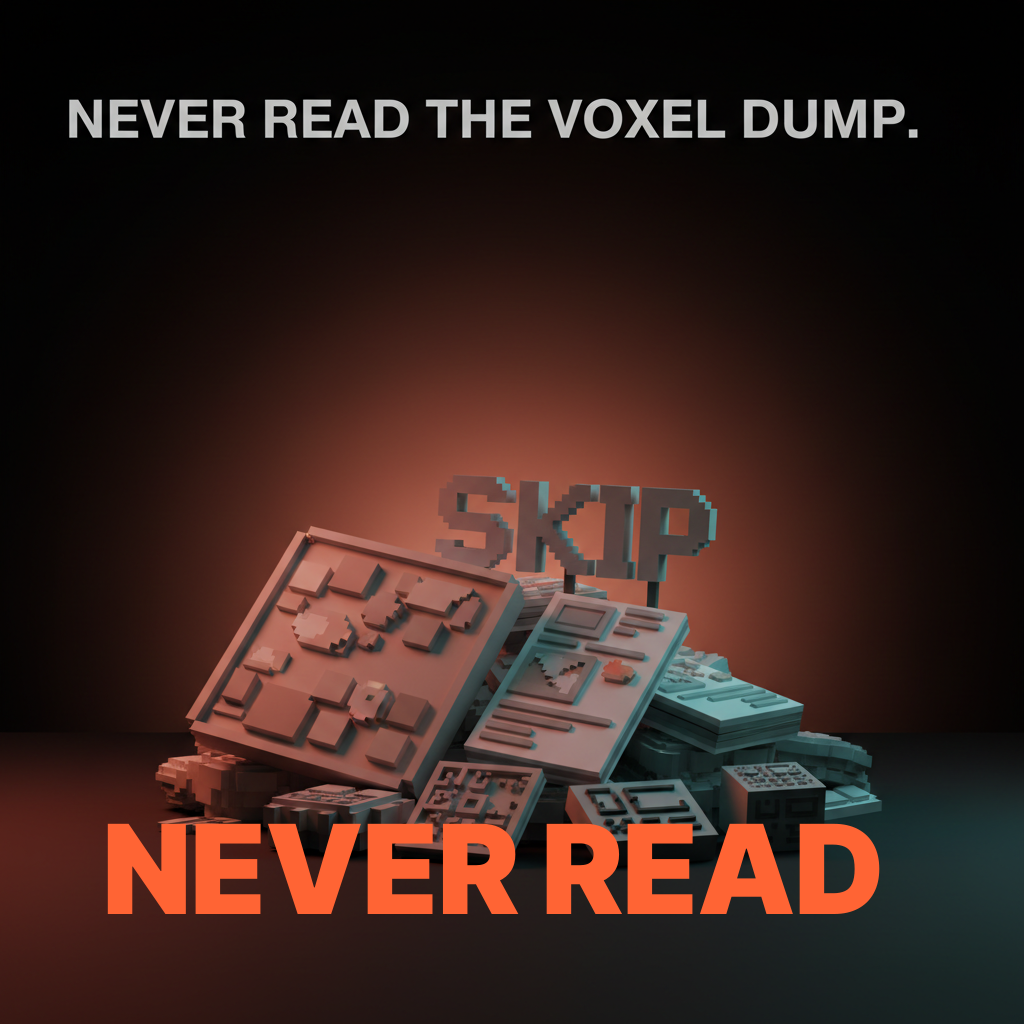
Six perfect Dribbble shots. Decoration, not work. A row of pretty shots without shipped product reads as decoration without function.
Generic Material UI or shadcn variations. Stock components with palette changes. AI scaffolds these in seconds. A portfolio built on them competes with the model that ships them for free.
Persona and journey map docs without shipped product. UX deliverables in a vacuum read as bootcamp output. The artifact is the product, and the product has to exist.
A polished resume site with no projects. The site is fine, the polish is not the point. A frame around nothing is still nothing.
The named hiring managers and teams setting the bar
Brian Lovin, Pieter Levels, Linear, Vercel, Anthropic, and Anysphere have all hired or written publicly enough that the new bar is documented, not guessed.
Brian Lovin runs his personal site as a long-running design log. Public projects, public writing, public choices. He has hired this way for years and reads the log first.
Pieter Levels ships products in public, posts the metrics, and treats the shipped product as the portfolio. No Behance account, hiring presence stronger than ninety percent of the field.
Linear's design team posts work, decisions, and process publicly. Their job postings explicitly favor designers who write, ship code, and have a public trail. They are not hiring from PDF portfolios.
Vercel ships v0 and runs Geist in public. Hires come with GitHub histories, shipped products, and a writing trail. Anthropic and Anysphere both run engineering-fluent, ship-heavy design teams. The bar is set in public posts and public rosters.
If you want help building the brand and craft layer, hire Brainy. BrandBrainy ships the craft layer that AI cannot fake, ClaudeBrainy ships the Skill packs and prompt libraries that turn shipping speed into leverage.
The Behance twelve-page case study is killing applicants
The twelve-page Behance case study with hero, problem statement, persona, journey map, wireframes, mood board, and final mockups is the single most common junior portfolio shape in 2026. It is also fatal.
The format takes thirty to forty hours per project. It reads as design school output. It buries the shipped product, if any, behind ten pages of process theater. It signals the designer optimized for the format their bootcamp taught, not the format the market reads.
The fix is simple. Cut the deck to a single page. Show the shipped product first. Three paragraphs of decision log. One paragraph on what you would do differently. Move on. Six one-page logs beat six twelve-page decks every time.
Build a 2026-ready presence in two weekends
Two weekends. Eight to ten hours each. Enough to build a hiring presence that beats a forty-hour Behance case study in every measurable way. The build is mostly writing and shipping, not designing.
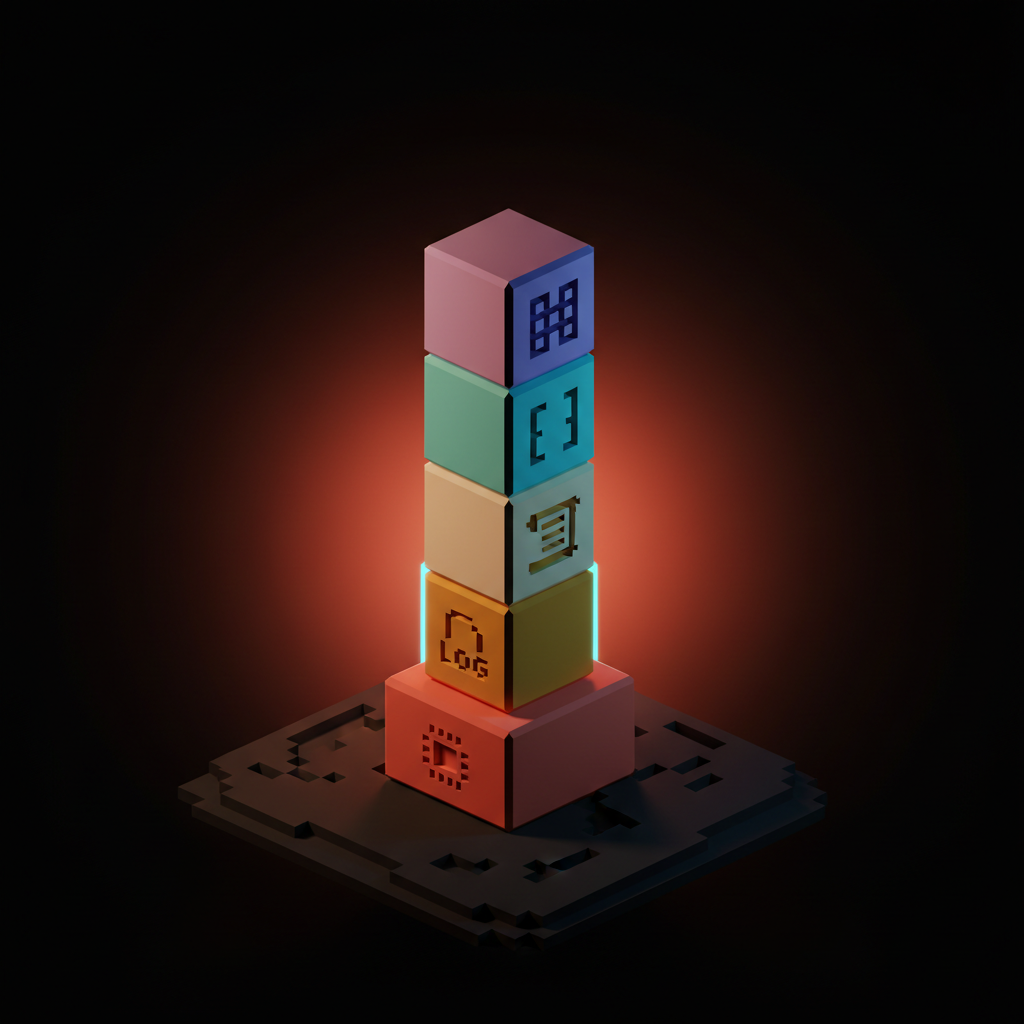
Weekend one carries the ninety-second skim. Weekend two builds the public trail that compounds.
Weekend one, ship the artifacts
Saturday. Pick one shipped product. If you have one, polish the live URL. If not, ship one. A Chrome extension, a Claude Skill, a small Next.js site that solves a real problem you actually have. Use the new design career ladder toolkit, Cursor or Claude Code or v0, to ship in one day not one month. Get one user. Yourself counts. Get a second.
Sunday. Write the decision log. Three paragraphs per project, three projects max. Why this layout. What you cut. What you would do differently. Ninety minutes total. Publish on Read.cv or a small personal site. Skip the Figma gallery, the mood board, the persona doc.
That is weekend one. One shipped product. Three short logs. A live URL someone can poke. The skim signals are real.
Weekend two, build the public trail
Saturday. Write one piece. Four hundred words on a real design problem you hit, a real decision you made, a real frame on a current debate in the field. Publish to Threads, Twitter, Read.cv, or your own site. Pick the platform you will keep posting on. Posting once is performance, weekly is a trail.
Sunday. Build the connective tissue. A small GitHub with the components, Skills, and tools you shipped. An Are.na channel of references with one-line annotations, not just saved pins. A Read.cv hub linking the logs. A pinned Threads or Twitter post that points to product, log, and writing in one tap.
That is weekend two. A piece of writing. A public GitHub. An Are.na channel that reads as taste. A Read.cv hub. The trail exists.
The artifact list, end to end
In priority order.
One. One shipped product with a live URL and at least one real user.
Two. Three decision logs, three paragraphs each.
Three. One piece of writing, four hundred words, on a real design problem.
Four. A small GitHub with shipped components, Skills, or tools.
Five. An Are.na channel curated with one-line annotations on each save.
Six. A Read.cv page that links log, writing, GitHub, and live product in one place.
Seven. A weekly social presence on Threads, Twitter, or IG.
Skip everything else. No twelve-page deck. No persona doc. No mood board. No Dribbble shots. No generic Material UI showcase. No 2018 portfolio template. The list above ships in two weekends and reads as senior to every hiring manager named in this piece.
FAQ
Is the design portfolio actually dead?
The twelve-page case study deck is dead as a hiring signal. The portfolio in the broader sense, a public trail of shipped product, decisions, and writing, is more important than ever. The shape changed.
Do I still need a personal site?
Yes, smaller and simpler. A Read.cv page or single-page site linking the shipped product, the logs, the writing, the GitHub, and the social presence is enough. The site is a hub, not the work.
What if I have no shipped product yet?
Ship one this weekend. A Chrome extension, a Claude Skill, a Next.js tool that solves a real problem. Cursor, Claude Code, or v0 compress a month into a day.
Twitter, Threads, or IG?
Post where you will actually keep posting weekly. Threads and Twitter both work for design writing. IG works if your work is visual and you treat the feed as a curated trail. The platform matters less than the consistency.
How long should the writing be?
Four hundred words floor, two thousand ceiling. Most pieces five hundred to a thousand. The point is judgment, not length.
Do this next
Three moves. First, audit the current portfolio against the do-not-build list and delete the parts that fail. Mood boards, persona docs, twelve-page decks, Dribbble shots without shipped product, generic Material UI showcases. Cut them today.
Second, ship one real product this weekend, write three decision logs, publish one short piece. Do not template. Do not polish. Ship and write. The work compounds, the polish does not. Pair this with AI-augmented design pricing thinking and you start charging on shipped product, not deck pages, the same week.
Third, pick one platform to post on weekly and start the trail. Threads, Twitter, or IG. If you are running solo design studio economics, the trail is your inbound funnel.
If you want help building a 2026-ready hiring presence, hire Brainy. BrandBrainy ships the brand and craft layer that AI cannot fake. ClaudeBrainy ships the Skill packs and prompt libraries that turn shipping speed into leverage. The new bar is set in public, the build cost is two weekends, and the designers who move now are the ones the named teams are already calling back.
If you want help building a 2026-ready hiring presence, BrandBrainy ships the brand and craft layer that AI cannot fake, and ClaudeBrainy ships the Skill packs, prompt libraries, and shipped artifacts that turn a presence into leverage.
Get StartedGet new papers by email
New Brainy papers in your inbox. Confirm once, unsubscribe anytime.