Famous Logo Color Combinations: 6 Pairs With Their Hex Codes
McDonald's, FedEx, Pepsi, Amazon, Subway and Mastercard each run on two colors. The exact hex codes of all six pairs, what they share, and how to build your own pair.
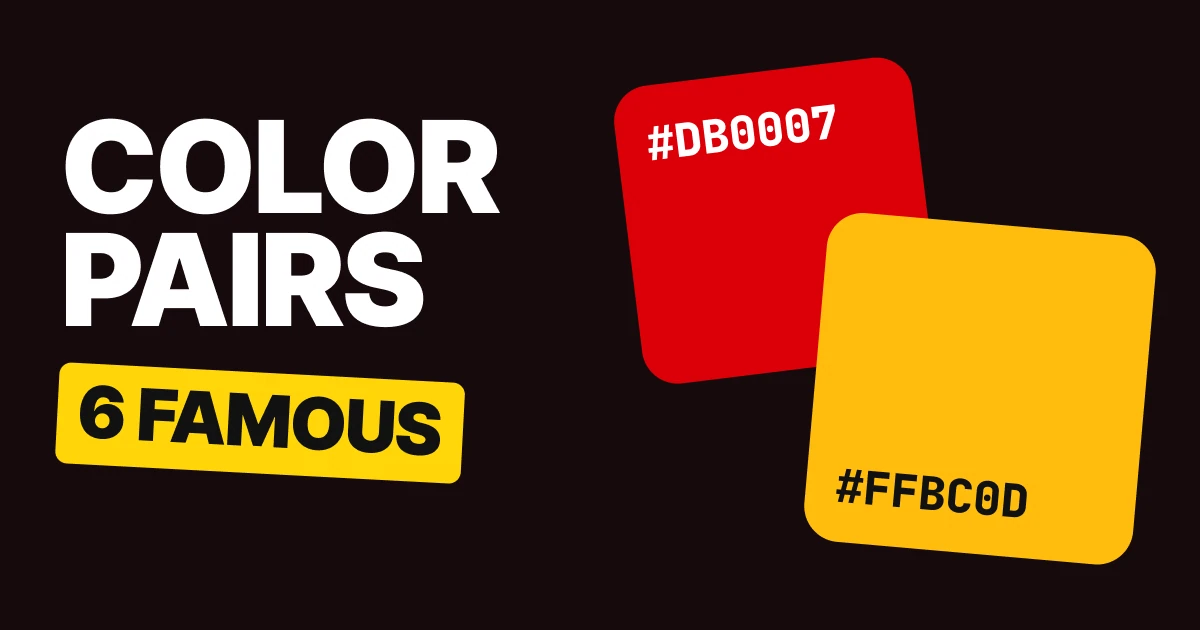
If you are looking for logo colors that work together, start with the ones that already do. McDonald's, FedEx, Pepsi, Amazon, Subway and Mastercard each carry a logo that people know at a glance, and each of those logos is built on two colors.
McDonald's: red and yellow
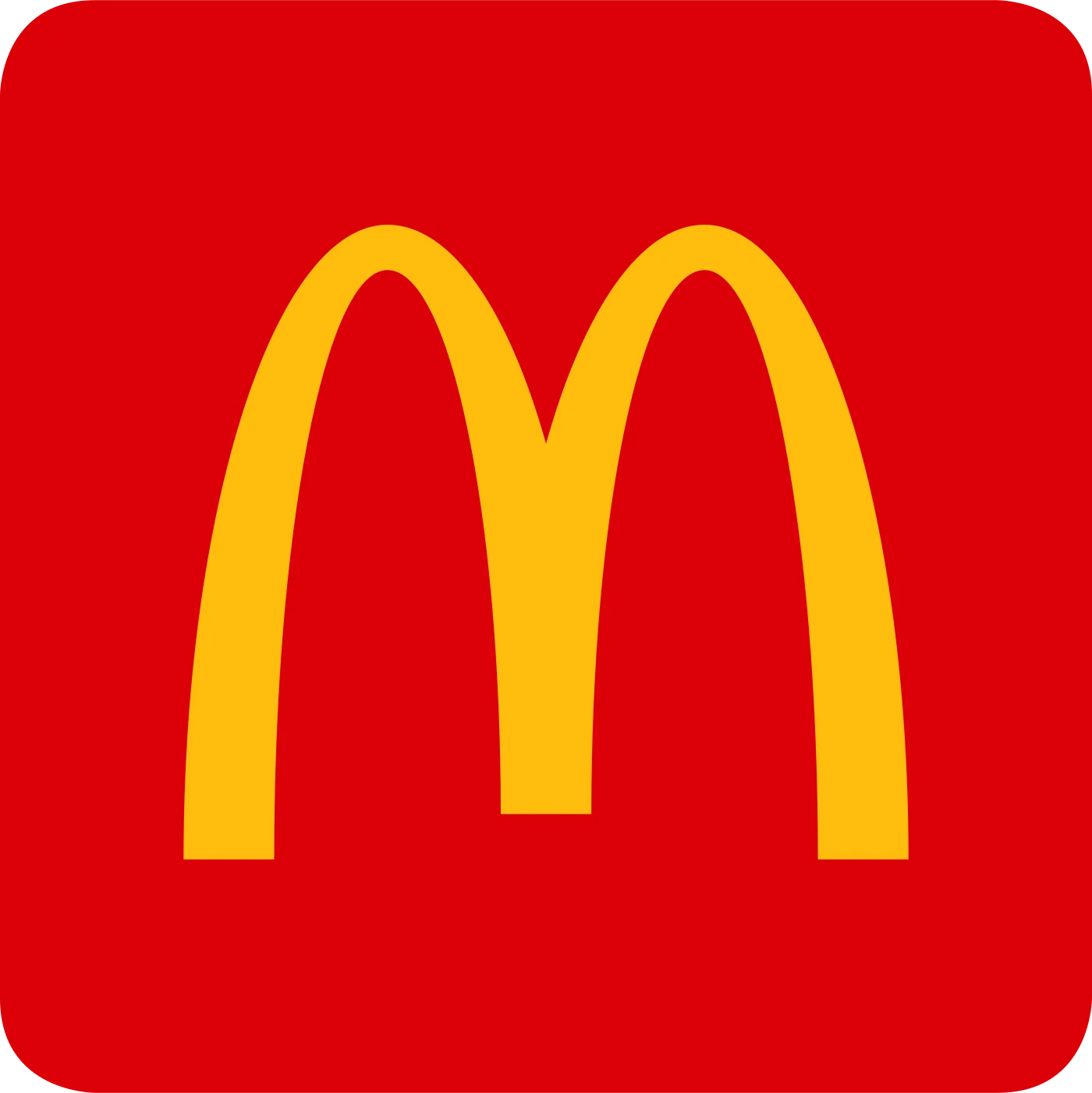
Red
Yellow
The red is the ground and the yellow is the mark. In the logo file the red covers about 86% of the colored area and the yellow about 14%, so the arches read as a small, bright thing on a large, loud field.
FedEx: purple and orange
Purple
Orange
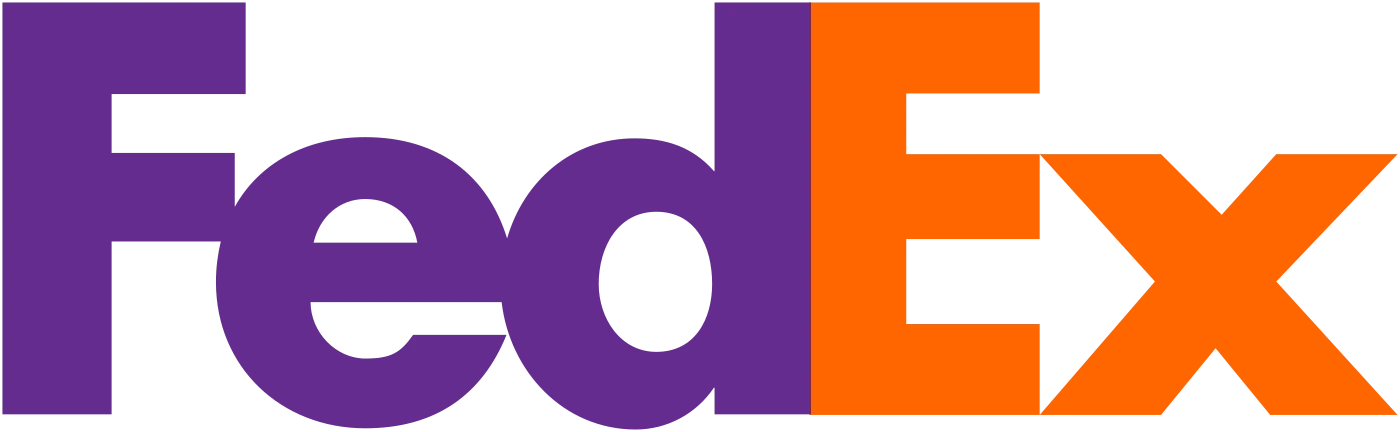
The two colors split the name: purple for Fed, orange for Ex. Purple takes about 64% of the colored area and orange about 36%. They sit far apart on the color wheel, which is why the two halves of one word still read as two halves.
Pepsi: blue and red
Blue
Red
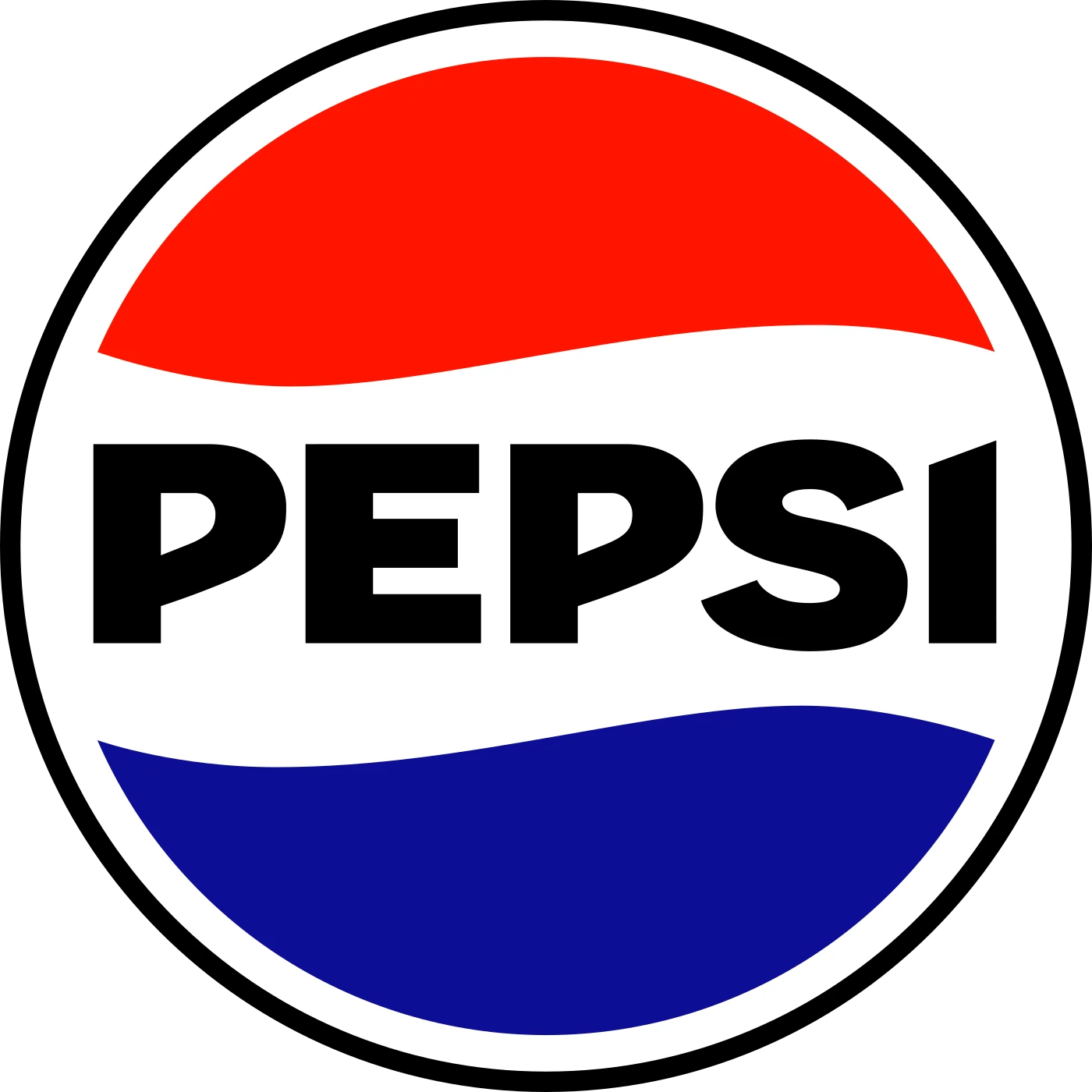
Here the two colors split the globe almost evenly, about a fifth of the file each. The logo file also carries black, for the outer ring and the name, so the pair is blue and red with black as the neutral that holds them together.
Amazon: black and orange
Black
Orange
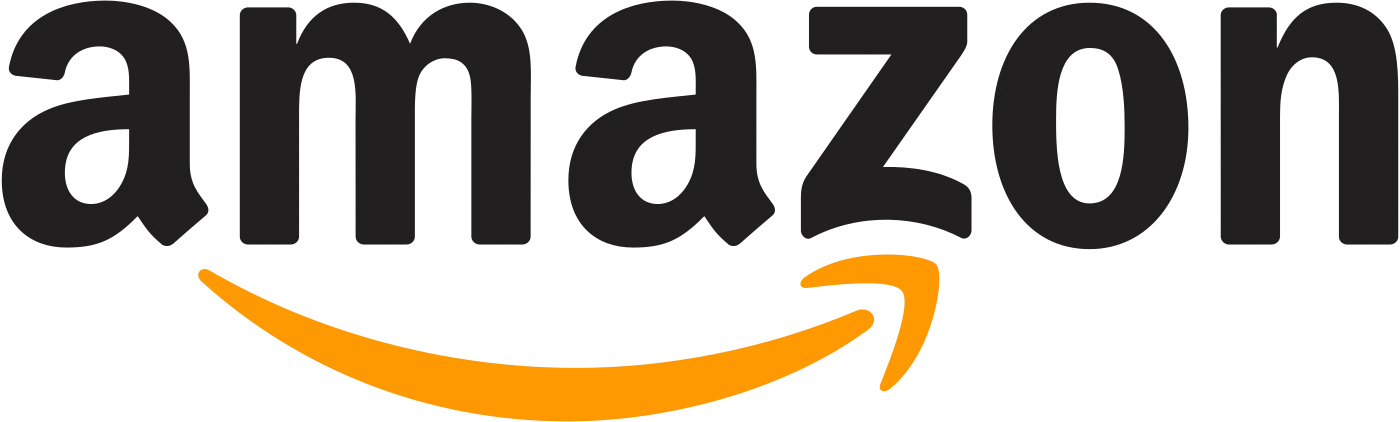
The black is the name and the orange is one stroke: the smile that runs from the A to the Z. The black covers about 85% of the colored area and the orange about 15%. Orange is the only color in the logo, and it is used once.
Subway: green and yellow

Green
Yellow
Subway splits almost evenly between its two colors: green about 54%, yellow about 46%. The two colors alternate through the letters and the arrows, so neither one is the ground.
Mastercard: red and yellow, overlapping
Red
Yellow
Where they overlap
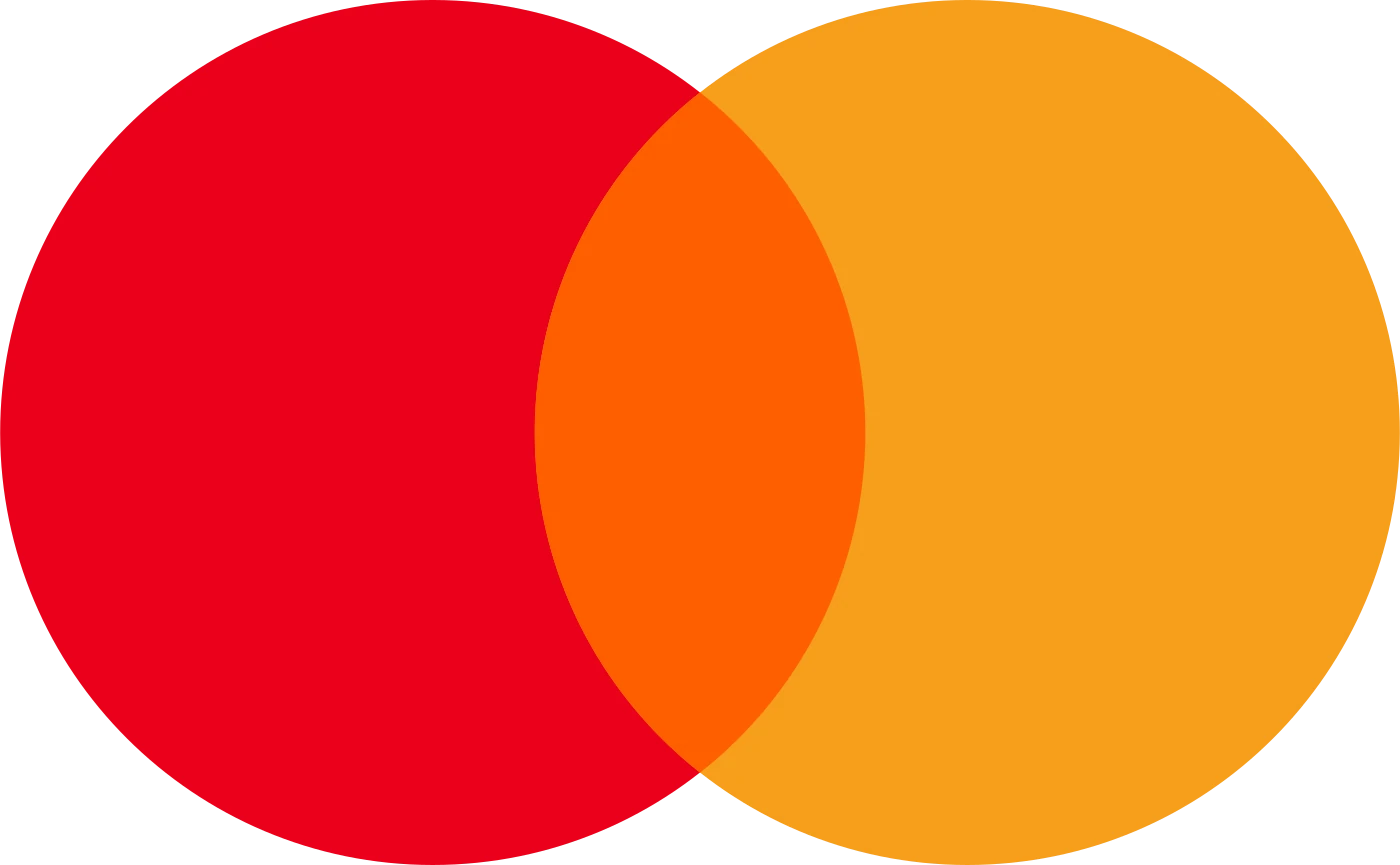
Mastercard shows the one trick the other five do not use: the overlap. Where the circles cross, the logo file draws a third color, #FF5F00, which is why a two-color logo can look like it has three. Each circle takes about 42% of the colored area and the overlap about 15%.
McDonald's and Mastercard both use a red and a yellow, and the logos look nothing alike. The pair is not the logo. The proportion and the shape are.
What the six pairs share
| Brand | Color one | Color two | Lead color's share of the logo |
|---|---|---|---|
| McDonald's | #DB0007, hue 358° | #FFBC0D, hue 43° | Red, 86% |
| FedEx | #652C8F, hue 275° | #FF6600, hue 24° | Purple, 64% |
| Pepsi | #0E0E96, hue 240° | #FF1400, hue 5° | Even, about 21% each |
| Amazon | #221F1F, near-black | #FF9900, hue 36° | Black, 85% |
| Subway | #008938, hue 145° | #F2B700, hue 45° | Green, 54% |
| Mastercard | #EB001B, hue 353° | #F79E1B, hue 36° | Even, 42% each |
Shares are the part of the logo's colored area each color covers, measured on the logo file with white left out. Hue is the position on the color wheel in degrees.
Three patterns show up in the numbers.
Five of the six pairs carry a yellow or orange. McDonald's, FedEx, Amazon, Subway and Mastercard all have a color between hue 24° and 45°. Pepsi is the exception, and its second color is a red at 5°. Warm, bright colors are the accent the whole group reaches for.
The partner is dark or far away on the wheel. Black, deep purple, deep blue, green and red all sit well away from the yellow and orange they are paired with. Mastercard is the closest, and it solves that by overlapping the two instead of placing them side by side.
The split is rarely 50/50. McDonald's and Amazon give one color about 85% of the area. FedEx is about two thirds. Only Pepsi, Subway and Mastercard run close to even, and each of those is held together by a shape, a globe, two arrows or two circles.
How to choose your own pair
- Pick the color that does the work. It is the one that carries the name or fills the ground, like Amazon's #221F1F or McDonald's #DB0007. Make it dark or saturated enough to hold a logo by itself.
- Pick a partner far from it on the wheel. A yellow, an orange or a bright red beside a dark color is the pairing the six above lean on. Two colors that sit next to each other blur.
- Decide the split before the colors. A big lead color with a small accent is the safest. Keep an even split for a shape that is already symmetrical, like two circles.
- Test it in one color. If the logo falls apart in black and white, the pair is doing the work the shape should be doing.
Steal these 6 pairs
The six pairs, as each brand draws them.
These are the values in the logo files, not each company's published brand specification. Use them to study and to test your own pair next to them.
FAQ
What are the McDonald's logo colors?
McDonald's uses red, #DB0007, and yellow, #FFBC0D, as drawn in its logo file.
What are the FedEx logo colors?
FedEx uses purple, #652C8F, for the letters Fed and orange, #FF6600, for the letters Ex.
What are the Pepsi logo colors?
Pepsi uses blue, #0E0E96, and red, #FF1400, with black for the ring and the name in the logo file.
What colors go with orange in a logo?
Amazon pairs orange, #FF9900, with near-black, #221F1F. FedEx pairs its orange, #FF6600, with a deep purple, #652C8F.
What are the Mastercard logo colors?
Mastercard uses red, #EB001B, and a yellow-orange, #F79E1B. Where the circles overlap the file draws #FF5F00.
Why do so many logos use only two colors?
With two colors, one can lead while the other makes the logo stand out. The six brands above are built that way.
Sources
- Colors read from each brand's logo file on Wikimedia Commons: McDonald's square (2020), FedEx (2016), Pepsi (2023), Amazon, Subway (2016), Mastercard (2019).
- Color shares are the area each fill covers in the logo file, white excluded. Hue angles use the HSL model.
- The Instagram post this paper expands: 6 famous color pairs.
Get new papers by email
New Brainy papers in your inbox. Confirm once, unsubscribe anytime.