Get featured. Get booked.
We built a place where designers post their work where the community already scrolls, climb the ranks with every submission, and get hired for paid client work through the network.


Post, climb, get booked, earn
Briefs that build your portfolio
Practice briefs you build. We help you polish them, then publish them on Brainy.
Make things, earn tokens
Approvals, quality scores, work that goes live on @brainy, referrals that convert. Nothing pays for turning up.
Your vote moves the platform
Pitch a feature, vote on what ships. Founders carry roadmap priority for life.
Talk to creators
Real-time chat, inside Forge.
Instagram for designers, without the reasons you left
A place to get inspired, post work that a human being actually reviews, take real briefs, and climb a ladder that means something. The reel and every screen below it are the live product, captured this week.

The Base
The feed designers open for the same reason they used to open Instagram, and none of the reasons they stopped. Published work only, no ads, no reposts, no algorithmic detour through content nobody asked for.

Briefs
Real design tasks from Brainy, with guidelines, a checklist and a heat rating: ember, blaze, inferno. You take one, make the work, and a human on our team tells you whether it cleared the bar.

Submission, and the verdict
Everything posted to a Brainy page goes through an AI pass and then a human one, and nothing publishes itself. Get through both and your work goes out on Brainy with you added as a collaborator, so it lands on your profile too.

The room it happens in
Channels for critique, direct messages, and a feature-request board where the team changes the status in public. This is where a verdict stops being a rejection and becomes the next attempt.
Forge is a Vite and React application on a Convex backend, designed and built by Brainy, and run by Brainy every day. The moderation, the reviews, the briefs and the payouts are all ours.
Twenty-five voxels on a nine by five grid.
Forge's mark is pixel art, so it could never have been off-grid: fitting its twenty-five front faces to a lattice lands with an error of four ten-thousandths of a cell. Every voxel is three polygons, a front, a top and a side, in an oblique projection. Vector the whole way down, and it still reads as volume.
The unit
One voxel, measured off the shipped vector. The depth vector is what turns a flat square into a solid, and it is the same on all twenty-five.
The heat
Three front-face colours, assigned by how deep a voxel sits inside the silhouette rather than by where it is. That is why the fire looks hot in the middle without anyone painting a gradient.
The lockups
The mark had a grid; the lockups did not. Measured, the gap ran at 1.60 modules and the wordmark stood 4.26 rows against the mark’s five, which are the kind of numbers you get when a lockup is assembled by eye. Snapped to the module the mark already defines: gap 1.5, wordmark 4 rows, one module of clear space on every side. Under seven per cent of movement, and now every measurement in the system comes from one number.
horizontal — gap 1.5 modules
vertical — gap 1 module
One fire, and the discipline to use it once
Six steps of near-black, a primary that is simply the inverse of whatever it sits on, and a single ember that is only ever allowed to report state. Five more colors exist and their only job is to say how far a creator has climbed.
The ground, and the planes on it
Six steps and no seventh. Every border between them sits at about 8 percent alpha, so a card reads as a plane rather than an outline.
Primary is the inverse of the ground
One component, both grounds, nothing shared but the shape. The old primary was an ember slab everybody liked and nobody could read; flipping it to the inverse of the ground nearly tripled the contrast and removed the accent from 93 call sites in a single pass.
The accent is a state, not a surface
#ff6434 appears 593 times in the product, and about three quarters of those are the three above. They look like different rules and they are one: the ember never describes what a thing is, only what has happened to it. Nothing is ember because it is a button.
Rank, and nothing else
These five carry rank and nothing else. They never reach a button, a label, or a chart. Elite is flat ember now: its gradient was retired because rank has to read at 24 pixels, on a phone, in a list.
What we took out
Sans to read.
Mono to count.
Two families with a hard border between them. Inter takes every heading and every sentence. JetBrains Mono is never inherited, only opted into, and only for the three things that are numbers wearing a coat: stat values, timestamps, eyebrow labels.
Who does what
Never a stat value. A number that changes should not change width.
Never a heading. It is opted into 1,197 times and inherited zero.
The scale, at true size
Eight sizes, 12 through 32, and nothing above 32 anywhere in the product. Headings are Inter at 600 with -0.02em tracking. There is no display weight and no display face, because the work on the page is the display.
One line, every number in the product
body {
  font-feature-settings: "tnum" 1, "cv02" 1;
}Five tiers, ten levels, one ladder.
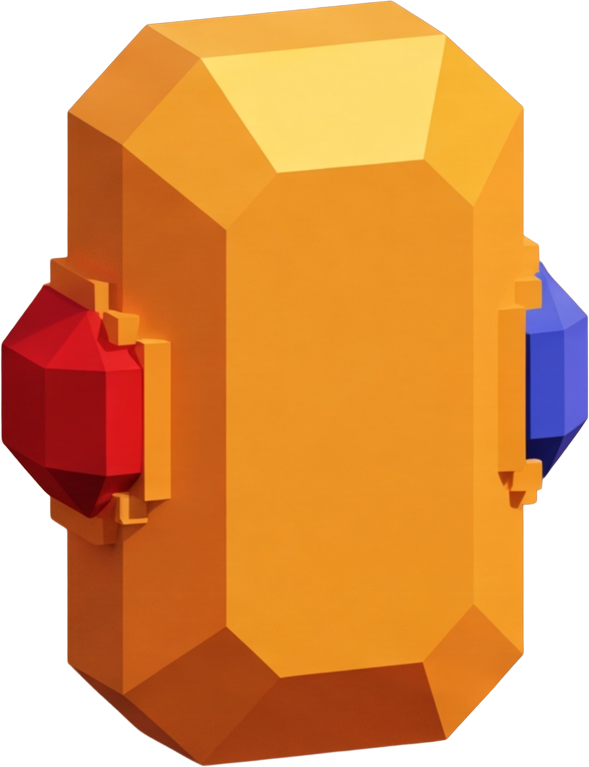
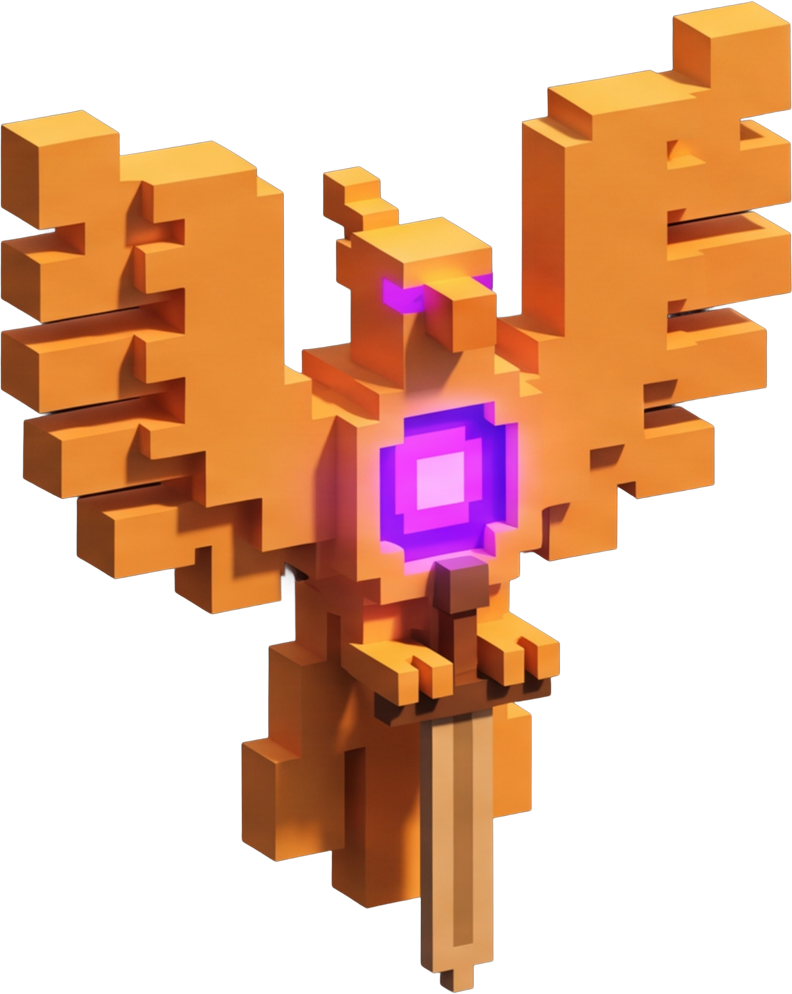
A creator climbs by shipping work that clears review and reaches an audience, not by showing up. Every level hands over something concrete, and the badges are just the public face of it. Elite is invitation only.
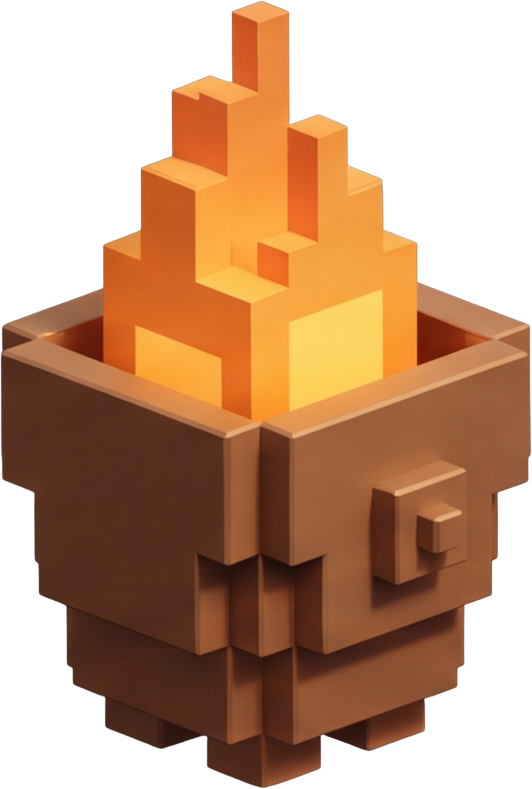
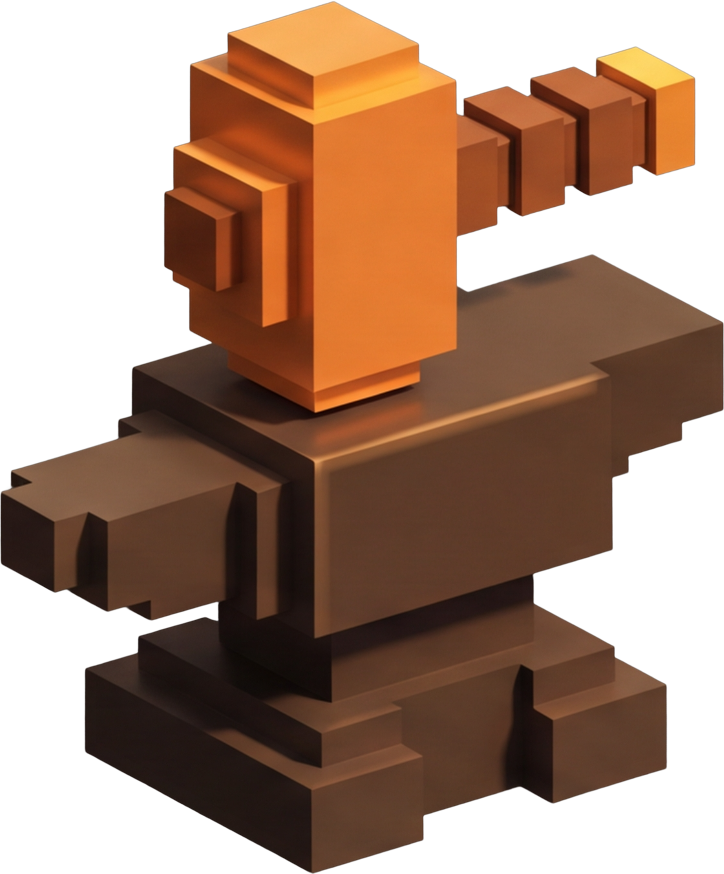
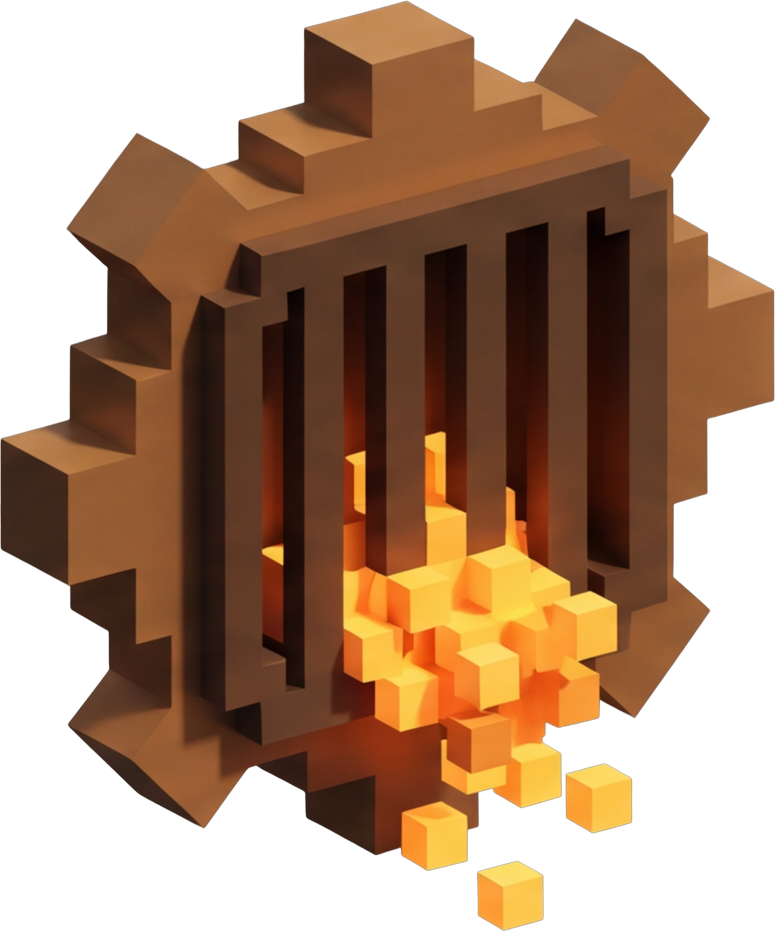
Ten levels, and what each one opens
The five badges are the public face. Underneath sits a ten-step ladder where every rung hands over something real.
What a tier buys
Review is a person reading real work, so a queue one creator can flood is a queue everybody else waits behind. Every tier raises two ceilings: how much you can have in review at once, and how much you can send in a rolling week.
What moves the number
Results, not attendance. The ladder is climbed by work that clears review and reaches an audience.
Retired on 2026-07-31, because attendance is not craft and multiplying real work by it is how a progression system starts rewarding the wrong thing: Daily login XP, Streak milestones and the streak freeze, Streak multipliers on submission XP, Eleven attendance quests.



Brainy Token
One currency for the whole design ecosystem. Earn it, spend it across every Brainy platform, redeem it for real value, and one day, own it.
Spend it in Forge
Brainy Token goes to work the day you join Forge: submit your work, unlock real client briefs, and push posts across the Brainy network. Your first place to spend it.
Earn it by making things
Tokens come back for results: approvals, quality scores, work that goes live on the Brainy page, briefs delivered, referrals who get approved. Nothing pays for turning up.
One token, every platform
The same balance flows across all of Brainy: spend it to create with Boon AI, to brief Studio, to use anything we build next. One coin, the whole ecosystem.
Cash it out
Redeemable tokens turn into real value: withdraw to money, pay for subscriptions, or hire other creators. Get paid in Brainy Token, then redeem it for what you want.
The currency of design
Brainy Token becomes spendable money for designers, on the tools, assets, and services the craft runs on. A currency worth something everywhere design happens.
Owned by the community
The endgame: a minted, decentralized token and a DAO where designers and founders vote on what Brainy builds next. The community owns the future of the coin.
This is the network we built
Forge is live and free to start. Walk the loop, then post your first piece.